Uncategorized

pnb scam
Uncategorized

The PNB Scam: Unveiling India’s Biggest Banking Fraud

Nirav Modi and Mehul Choksi became notorious for their involvement in one of India’s largest PNB scam.• Nirav Modi (born February 27, 1971) was a prominent diamond jeweler and the founder of the luxury jewelry brand, Nirav Modi. His exquisite diamond creations gained international fame.• Mehul Choksi (born May 5, 1959), Nirav Modi’s maternal uncle, was the owner of Gitanjali Group, one of India’s largest integrated diamond jewelry retailers. Key Companies Involved • Nirav Modi: Firestar Diamond (formerly Firestone)• Mehul Choksi: Gitanjali Group Early Life, Education, and Family Nirav Modi:• Born in Palanpur, Gujarat, and raised in Antwerp, Belgium.• Attended the Wharton School, University of Pennsylvania, but did not complete his degree.• Father: Deepak Modi (diamond businessman)• Spouse: Ami Modi• Children: Two sons (Teja Raju and Rama Raju) and one daughter (Deepti) Mehul Choksi:• Born in Mumbai, India.• Dropped out of the University of Mumbai.• Father: Chinubhai Choksi (diamond trader)• Spouse: Name not publicly known• Children: One son and two daughters (including Priyanka) The PNB Scam Fraud Name: Punjab National Bank (PNB) Fraud CaseThe Masterminds Behind the Scam: Nirav Modi and Mehul Choksi were the prime conspirators, aided by several corrupt bank officials and business associates. Timeline of the Scam Year Exposed: 2018, though it had been ongoing for several years. Total Amount Involved The total fraud amounted to ₹14,356.84 crore (approximately US$2.1 billion) as of May 2018. Modus Operandi: How the Fraud Was Perpetrated Also Read: The Rise and Fall of Abhishek Kar Discovery of the Scam The scam was uncovered in January 2018 when discrepancies in PNB’s records were noticed. A complaint was filed by a bank official with the Central Bureau of Investigation (CBI) on January 29, 2018. Initially, the fraud was reported as ₹280.70 crore, but as investigations progressed, the scale of the fraud expanded dramatically. Arrest of the Masterminds • Nirav Modi: Fled India in early 2018 and was arrested in London in March 2019. He is currently fighting extradition to India.• Mehul Choksi: Fled to Antigua and Barbuda in 2018, acquiring citizenship. He was arrested in Dominica in May 2021 and is contesting extradition from Antigua. Current Scenario: Legal and Financial Fallout Impact on Public Awareness and Banking Security The PNB scam has heightened public awareness of the potential risks in financial transactions. It has highlighted the need for vigilance and strong oversight within the banking system. The case serves as a stark reminder of the vulnerabilities in India’s financial infrastructure and the importance of regulatory reform. Conclusion The PNB scam is a cautionary tale of how collusion, corruption, and lack of oversight can lead to massive financial fraud. As the legal proceedings continue, the case underscores the critical need for improved security, transparency, and governance in the Indian banking sector.

nasir ansari scam
Uncategorized

Finfluencer Nasir Ansari Scam: The ‘Baap of Charts’ Controversy

Mohammad Nasiruddin Ansari, popularly known as Nasir Ansari, is a self-proclaimed stock market expert who gained fame as a financial influencer or “finfluencer” on social media platforms. He operated under the brand name “Baap of Chart” (BoC), which translates to “Father of Charts” in English, positioning himself as a guru in stock market analysis and trading. Nasir Ansari’s early life paints a picture of humble beginnings. Born in a small village in Jharkhand, he was the son of a rickshaw puller. Despite being a brilliant student, financial constraints forced him to quit college to earn money. His journey into trading was marked by initial losses and setbacks before he claimed to have found success. Fraud Name The fraud associated with Nasir Ansari is commonly referred to as the “Baap of Chart” scam, named after his online persona and business. Scam / Fraud Year The fraudulent activities primarily took place between January 2021 and July 2023, as investigated by the Securities and Exchange Board of India (SEBI). Total Scam / Fraud Amount SEBI ordered Ansari to disgorge Rs 17.2 crore (approximately $2.1 million USD), which represents the amount he allegedly collected from investors through his fraudulent activities. Also Read: P R Sundar Scam: From Math Teacher to Controversial Finfluencer Modus Operandi Ansari’s modus operandi was sophisticated and multi-faceted: How Was the Nasir Ansari Scam Uncovered? The scam came to light through a SEBI investigation, which revealed several discrepancies: Arresting the Mastermind behind the Scam As of the latest available information, there have been no reports of Nasir Ansari’s arrest. However, SEBI has taken significant regulatory action against him and his associates. The current situation regarding the “Baap of Chart” case is as follows: The “Baap of Chart” scandal serves as a cautionary tale for investors and a reminder of the importance of due diligence when seeking financial advice, especially from social media influencers. It also underscores the regulatory challenges posed by the rise of finfluencers in the digital age.

kaveri seeds shares
Blog, Uncategorized

P R Sundar Scheme: From Math Teacher to Controversial Finfluencer

P R Sundar, once hailed as India’s leading options trader, has become a cautionary tale in the world of financial influencers. This blog explores his journey from humble beginnings to his recent legal troubles. P R Sundar is a stock market analyst, share trading consultant, and social media financial influencer. Born on March 28, 1964, in Purisai, Tamil Nadu, Sundar gained fame for his options trading strategies and his large following on social media platforms. Sundar’s early life was marked by poverty. He grew up in a family of eight children and was sent to a charitable trust hostel at a young age. Despite these challenges, Sundar excelled academically, earning a postgraduate degree in mathematics. From Teacher to Trader After completing his education, Sundar began his career as a math teacher in Gujarat. In 1993, he moved to Singapore to teach mathematics, spending 11 years there before returning to India in 2005. It was during this time that Sundar developed an interest in stock market trading, learning from his Gujarati friends. Rise to Fame Sundar started trading in 2007 and quickly gained a reputation for his options trading strategies. He joined Twitter in 2017 and amassed a large following, with close to 500,000 followers on his private account. His YouTube channel (where he posts explainer videos on trading) has over 1 million subscribers. The Controversy In 2023, Sundar found himself at the center of a controversy involving unregistered investment advisory services. How Was the P R Sundar Scam Uncovered? SEBI received multiple complaints claiming that Sundar ran a website offering various packages to provide investment advice. Upon investigation, SEBI found that Sundar was offering advisory services via his website www.prsundar.blogspot.com, with fees collected through a payment gateway linked to Mansun Consultancy’s bank account. Also Read: The Kingfisher Airlines Loan Default Scam: The Rise and Fall of Vijay Mallya Legal Action and Settlement In May 2023, SEBI issued an order against Sundar, his company Mansun Consulting, and co-promoter Mangayarkarasi Sundar[2]. As part of the settlement: Current Scenario Following SEBI’s action, Sundar broke his silence on Twitter, stating, “People who believe you, need no explanation. People who do not believe you, no amount of explanation will help. So keeping silence, at least for some time, is the best response.” The case against Sundar has sparked a broader discussion about the regulation of financial influencers in India. Finance Minister Nirmala Sitharaman has warned about the dangers of unregulated financial advice, though there are currently no specific plans to regulate “finfluencers”[2]. P R Sundar’s story serves as a reminder of the importance of proper regulation and transparency in the world of financial advice. As the influence of social media on investment decisions continues to grow, cases like this highlight the need for both influencers and investors to navigate this landscape with caution and integrity.

finotex chemical ltd
Uncategorized

YouTuber Ravindra Balu Bharti Scam: The Rise and Fall of a Finfluencer

Ravindra Balu Bharti is a prominent YouTuber and stock market influencer who gained significant popularity in India. He is the founder of Ravindra Bharti Education Institute Private Limited (RBEIPL), a company that claimed to provide stock market training and education. Bharti amassed a substantial following on social media, with over 1.9 million subscribers across two YouTube channels: “Bharti Share Market Marathi” (10.8 lakh subscribers) and “Bharti Share Market – Hindi” (8.33 lakh subscribers). About Early Life While specific details about Ravindra Balu Bharti’s early life are limited, it is known that he is the son of Balu Motiram, who was an Authorized Person of stock-broker ABC Limited. Bharti co-founded RBEIPL in 2016 along with his wife, Shubhangi Bharti. He served as a director of the company from February 3, 2016, to October 3, 2023. Fraud Name The fraud committed by Ravindra Balu Bharti and his company can be termed as an “Unregistered Investment Advisory Scam.” Scam / Fraud Year The exact duration of the fraudulent activities is not specified, but the Securities and Exchange Board of India (SEBI) took action against Bharti and his company in December 2024. Total Scam / Fraud Amount SEBI ordered Ravindra Balu Bharti and his company to return Rs 9.5 crore, which was the amount earned through their unlawful activities. Modus Operandi Ravindra Balu Bharti and RBEIPL employed several deceptive tactics to lure inexperienced investors: How Was the YouTuber Ravindra Balu Bharti Scam Uncovered? SEBI conducted an investigation into the activities of Ravindra Balu Bharti and RBEIPL. The regulatory body found that they were operating an unregistered investment advisory business, targeting inexperienced investors through their YouTube channels and company premises. Also Read: The 2010 Commonwealth Games Scam: A Deep Dive into the Suresh Kalmadi Controversy Arresting the Mastermind Behind the Scam As of the available information, there is no mention of an arrest. However, SEBI has taken strict action against Ravindra Balu Bharti and his associates. Current Scenarios SEBI has imposed several penalties and restrictions on Ravindra Balu Bharti and his company: This case serves as a stark reminder of the importance of regulatory compliance in the financial sector and the potential consequences of misleading investors through social media platforms.

2010 commonwealth games scam
Uncategorized

The 2010 Commonwealth Games Scam: A Deep Dive into the Suresh Kalmadi Controversy

Suresh Kalmadi, born on May 1, 1944, in Pune, Maharashtra, was a prominent Indian politician and sports administrator. He served as a Member of Parliament (MP) for Pune and held the influential position of President of the Indian Olympic Association (IOA). Despite his political career, Kalmadi’s legacy was severely tarnished due to his involvement in the notorious 2010 Commonwealth Games Scam in Delhi. Key Organization Involved in the Scam The scam revolved around the Organizing Committee of the 2010 Commonwealth Games, headed by Kalmadi. This event, which was meant to showcase India’s capabilities to host a major international sporting event, soon became mired in allegations of financial misconduct and mismanagement. Early Life, Education, and Background Suresh Kalmadi hailed from a middle-class family in Pune. His father, Dr. K. Shamrao Kalmadi, was a social doctor who dedicated his life to helping the underprivileged. Kalmadi’s educational background is as follows: Kalmadi also served in the Indian Air Force from 1964 to 1972 and played an active role during the Indo-Pakistani Wars of 1965 and 1971. The corruption surrounding the Commonwealth Games came to light in 2010, marking it as one of the most infamous scams in Indian sports history. The Mastermind: Suresh Kalmadi’s Role in the Scam Suresh Kalmadi, along with several close associates, masterminded a vast corruption network that cost India billions. The alleged scale of the scam was mind-boggling, with estimates of the fraud running into ₹70,000 crore (approximately $9.3 billion at the time). Also Read: The Abdul Karim Telgi Stamp Paper Scam: A Billion-Dollar Counterfeit Empire Modus Operandi of the Scam The Commonwealth Games scam involved several fraudulent activities: How the Scam Unfolded? The 2010 Commonwealth Games scam was uncovered through diligent investigative journalism and governmental probes: Arrest and Legal Consequences Suresh Kalmadi was arrested by the Central Bureau of Investigation (CBI) on April 25, 2011. He faced multiple charges, including: Following his arrest, Kalmadi was suspended from the Indian National Congress, marking the beginning of his fall from political grace. Current Status and Fallout Conclusion: The Lingering Effects of the Commonwealth Games Scam The 2010 Commonwealth Games scam serves as a cautionary tale about the destructive power of corruption in sports administration. While India managed to successfully host the Games, the financial mismanagement and fraudulent activities marred its reputation. The scandal underscores the urgent need for reform, stricter governance, and enhanced accountability in both public projects and sports management. By learning from these mistakes, India can aim to prevent such incidents in the future and restore faith in its ability to host large-scale international events.

Abdul Karim Telgi Stamp Paper Scam
Uncategorized

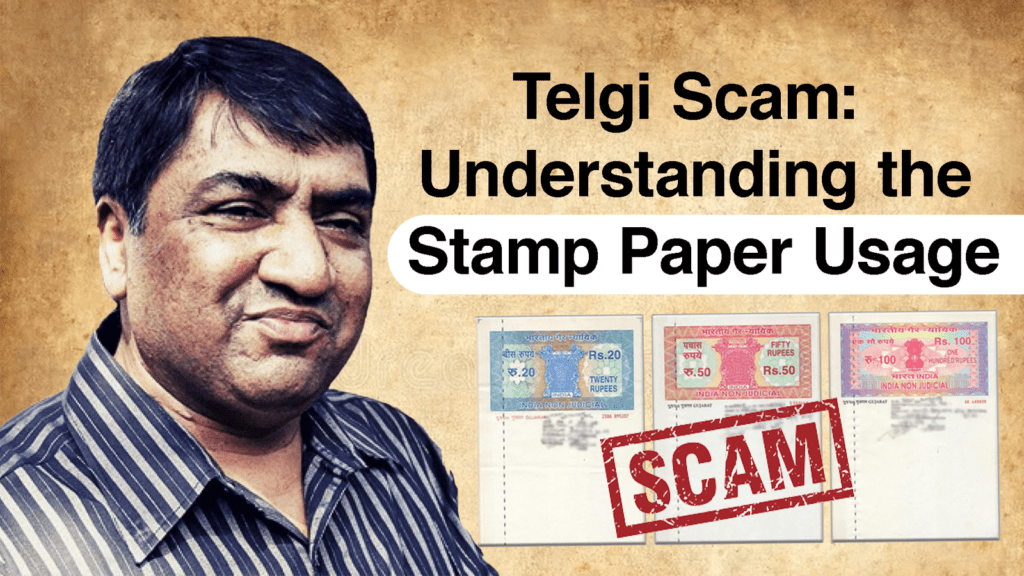
The Abdul Karim Telgi Stamp Paper Scam: A Billion-Dollar Counterfeit Empire

Abdul Karim Telgi, born in 1961 in Khanapur, Karnataka, emerged from humble beginnings to become the mastermind behind one of India’s most notorious financial frauds. Growing up in a lower middle-class family, Telgi’s early life was marked by adversity. After losing his father, who worked for Indian Railways, young Telgi resorted to selling fruits and vegetables on trains to support his family and fund his education. Despite the challenges, Telgi managed to complete his BCom from Gogte College of Commerce in Belgaum in 1984. His journey from a struggling fruit vendor to a criminal mastermind began after a brief stint in Saudi Arabia, where he likely honed his skills in document forgery. Telgi’s scam was a masterclass in exploiting systemic weaknesses and corruption. Here’s how he orchestrated this massive fraud: Unraveling the Scam: How It Was Uncovered The unraveling of Telgi’s empire began in 2000 when two men transporting counterfeit stamp papers were arrested in Bengaluru. This led to a series of events: Arresting the Mastermind Telgi’s run came to an end in November 2001 when he was arrested while on a pilgrimage to Ajmer, Rajasthan. The arrest revealed the true scale of the scam and led to further investigations implicating numerous high-ranking officials and politicians. 1. Legal Proceedings and Sentencing: In 2007, Telgi was sentenced to 30 years of rigorous imprisonment and fined ₹202 crore[8]. The legal battle was extensive, involving multiple charges across different states. 2. Current Scenario: Abdul Karim Telgi passed away on October 26, 2017, in Bengaluru due to multiple organ failure[8]. However, the legacy of his scam continues to influence discussions on corruption and financial fraud in India. Interestingly, a year after his death, on December 31, 2018, the Nashik session court in Maharashtra cleared Telgi and seven others in the Stamp Paper Scam case due to lack of evidence. This controversial decision has reignited debates about the complexities of prosecuting high-profile financial crimes in India. The Telgi scam remains a stark reminder of the vulnerabilities in India’s financial systems and the far-reaching consequences of corruption. It continues to be a case study for law enforcement agencies and policymakers in their ongoing efforts to prevent and combat large-scale financial frauds. Also Read: Top Investment Strategies for 2025: How to Identify High-Growth Themes

how cibil works
Uncategorized

How CIBIL Works: A Comprehensive Guide to Understanding Your Credit Score

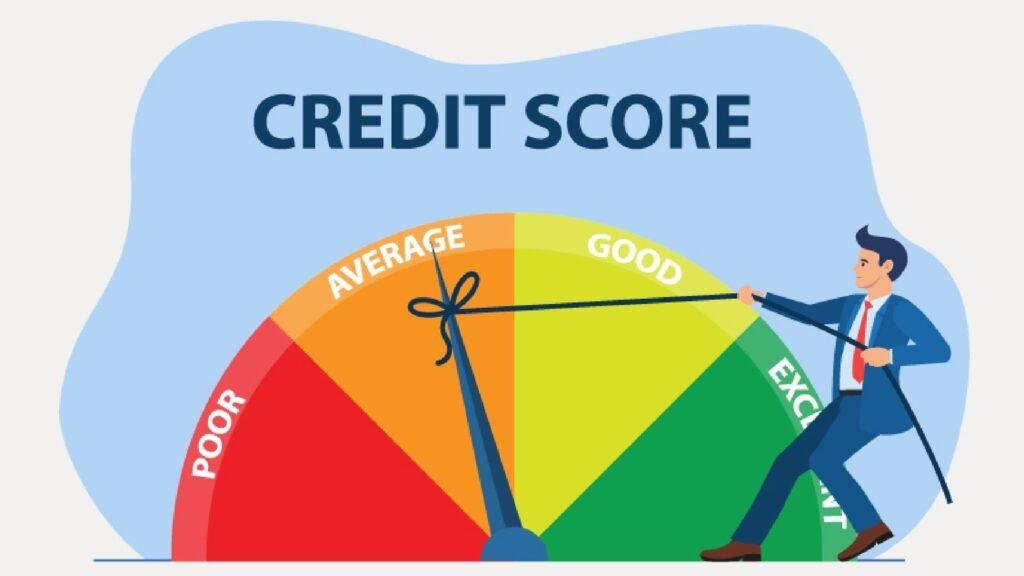
How Cibil Works: If you’re navigating the financial landscape in India, understanding CIBIL (Credit Information Bureau India Limited) is essential. CIBIL plays a critical role in determining your creditworthiness, directly affecting your ability to secure loans, credit cards, or other financial products. This blog will demystify how CIBIL works and help you manage your credit score effectively. What Is CIBIL? CIBIL is one of India’s major credit information companies, licensed by the Reserve Bank of India (RBI). It collects and maintains credit-related data for individuals and businesses. This data is used to generate a CIBIL Score, a three-digit number ranging from 300 to 900, which reflects your creditworthiness. How Does CIBIL Work? CIBIL’s operations revolve around collecting and analyzing credit data. Here’s a step-by-step breakdown of how it works: 1. Data Collection: 2. Credit Report Compilation: All the collected data is compiled into a CIBIL Credit Report. This report is a detailed record of your credit behavior over time, including: 3. CIBIL Score Calculation: Based on the credit report, CIBIL calculates your score using an algorithm. The primary factors influencing your CIBIL Score include: 4. Access by Lenders: Why Is CIBIL Important? CIBIL acts as a financial trust scorecard for individuals and businesses. Here’s why it matters: Also Read: Top Investment Strategies for 2025: How to Identify High-Growth Themes How to Check Your CIBIL Score? You can check your CIBIL Score through the following steps: Tips to Maintain a Good CIBIL Score Conclusion Understanding how CIBIL works is essential for anyone looking to achieve financial stability and creditworthiness. By managing your financial habits wisely and keeping an eye on your CIBIL Score, you can unlock opportunities for better financial products and terms. Start building a strong credit history today for a secure tomorrow!

investment strategies for 2025
Uncategorized

Top Investment Strategies for 2025: How to Identify High-Growth Themes

To create investment strategies for 2025 we need to stay ahead of market trends, leveraging economic insights, and making informed decisions. As the global economic environment evolves, India’s dynamic market stands out as a beacon for investors, presenting exciting opportunities across various sectors. With the nation on track to becoming one of the world’s largest economies, the time to strategically plan your investments is now. Whether you’re a seasoned investor or just starting, diversifying your portfolio and focusing on high-growth sectors can mitigate risks and maximize potential returns. Here’s a detailed guide to key investment themes in India for 2025. 1. Ride the Infrastructure Growth Wave India’s infrastructure sector is on the brink of a major transformation, thanks to the government’s ambitious ₹100 trillion investment plan. This includes large-scale projects in highways, railways, ports, and urban development. These initiatives aim to enhance connectivity, lower logistics costs, and boost overall economic activity. For investors, companies involved in construction, materials, and engineering are poised to benefit from this infrastructure boom. By focusing on firms with a proven track record in delivering large-scale projects, you can position your portfolio for significant long-term growth. 2. Banking on Financial Stability India’s banking sector is emerging stronger, with reduced non-performing asset (NPA) levels and healthier loan books. This resilience is further bolstered by the anticipated uptick in private capital expenditure, signaling robust economic expansion. Investors can explore banking stocks or mutual funds focused on financial institutions with sound management and growth-oriented strategies. Many banks are trading at attractive valuations, making this a compelling opportunity to enhance your portfolio. 3. Seizing the Low-Interest Rate Advantage Interest rates are a critical factor in shaping investment decisions. With inflation trending downward, the Reserve Bank of India (RBI) is expected to adopt a more accommodative stance, possibly reducing rates to spur economic activity. This creates a favorable environment for fixed-income investments. As interest rates decline, bond prices are likely to rise, offering investors an opportunity to profit from existing debt instruments. Reassessing your fixed-income portfolio and strategically timing new investments can help you capitalize on this trend. 4. Large-Cap Stocks: Stability Meets Value Recent market corrections have led to several large-cap stocks trading below their intrinsic value. These stocks represent well-established companies with strong fundamentals and consistent dividend payouts, making them a reliable choice for long-term investors. Investing in large-cap stocks can provide stability during market volatility while positioning your portfolio for growth as these companies recover and gain traction. Prioritize firms with proven management, robust financial health, and a track record of profitability. 5. Leveraging the Resilience of India’s IT Sector India’s IT industry remains a cornerstone of its economy, offering global competitiveness and reliability. While the sector may not exhibit rapid growth, its stability and consistent demand make it a solid investment choice in an uncertain market. As businesses worldwide accelerate digital transformation, Indian IT firms are well-positioned to meet the growing demand for tech solutions. Monitor company performance, order books, and expansion plans to identify promising opportunities in this sector. Also Read: Nifty Next 50: Unveiling the Growth Potential in India’s Stock Market Conclusion: Position Yourself for Growth in 2025 The year 2025 holds immense promise for investors willing to adapt to a dynamic economic landscape. By aligning your investment strategy with India’s growth trajectory, you can unlock significant wealth-building opportunities. From infrastructure and banking to large-cap stocks and the IT sector, a diversified portfolio will be your key to navigating the evolving market. Staying informed, conducting thorough research, and proactively adjusting your portfolio will help you capitalize on emerging trends. As India continues to evolve, so should your investment approach. Start planning now to make 2025 a landmark year for your financial success.

amendment of psu shares
Uncategorized

Transforming India’s Clearing Corporations: Enhancing Ownership Diversity and Global Integration

The Securities and Exchange Board of India (SEBI) is driving forward a bold vision to make India’s securities markets more globally competitive and technologically advanced. A key part of this vision involves transforming the country’s clearing corporations (CCPs) through diversified ownership and increased global integration. The proposed reforms, which aim to raise ownership limits for both foreign and domestic entities, seek to boost operational independence, encourage innovation, and enhance financial resilience—critical elements for aligning India’s market infrastructure with global standards. Why Diversified Ownership Matters? India’s clearing corporations have traditionally been governed by their parent exchanges, a model that has provided stability but also led to some limitations. This structure often restricts operational independence and exposes CCPs to governance risks. A shift toward diversified ownership is vital for fostering better governance, risk mitigation, and financial resilience. Take, for example, the Clearing Corporation of India Limited (CCIL) during the 2008 global financial crisis. With a diverse ownership structure including banks, financial institutions, and primary dealers, CCIL was able to maintain systemic stability and weather market volatility. This experience proves that a broader ownership base can lead to more effective decision-making and a stronger ability to absorb financial shocks. A more diversified ownership structure would also enhance capital resilience. By allowing domestic entities like banks, exchanges, and financial institutions to hold up to 25% ownership, clearing corporations can tap into a deeper pool of capital, ensuring they can fund critical technology upgrades and expand operations. This becomes even more important as regulatory changes push for multi-asset clearing frameworks, covering new financial products like REITs, municipal bonds, and more. The Role of Foreign Ownership in Driving Innovation While increased domestic ownership strengthens governance, foreign investment is a game-changer when it comes to technological advancements and global integration. Currently, foreign ownership in clearing corporations is capped at 15%, but the proposed reforms to raise this cap to 25% for foreign-regulated entities would open up significant opportunities for technological collaboration. Foreign entities bring with them cutting-edge technologies such as blockchain, AI, and advanced risk management techniques. For instance, the U.S. Depository Trust & Clearing Corporation (DTCC) has revolutionized settlement processes using blockchain, significantly reducing settlement times and enhancing transparency. Similarly, portfolio margining innovations by LCH in the UK allow for better collateral management, which reduces costs for market participants. With increased foreign ownership, Indian CCPs could quickly adopt these global best practices, improving efficiency and investor protection. Enhancing Cross-Border Integration As India attracts a growing number of international investors, effective cross-border clearing and settlement mechanisms are essential. Foreign stakeholders with global expertise can help Indian CCPs create seamless linkages with international markets. A higher foreign ownership limit could pave the way for better integration, much like the global financial infrastructure created by entities such as Euroclear and Clearstream, which facilitate cross-border transactions effortlessly. Boosting Collateral Efficiency One of the key challenges facing the Indian clearing ecosystem today is collateral management. As the securities landscape evolves, the complexity of collateral management increases, which could undermine market cost-efficiency. By permitting higher foreign ownership, Indian CCPs would gain access to expertise in collateral optimization techniques such as portfolio margining, which could significantly reduce collateral requirements. This would not only improve liquidity but also lower the costs for participants, enhancing the cost-competitiveness of India’s securities markets. Addressing Forex Outflow Concerns A common concern about increasing foreign ownership is the potential for significant forex outflows due to dividend repatriation. However, this concern can be mitigated through strategic safeguards. For example: Singapore’s successful model of balancing foreign ownership with domestic reinvestment provides valuable lessons. The Singapore Exchange (SGX) has leveraged foreign expertise while ensuring that the local market reaps significant benefits from global investments. Aligning Ownership Structures with SEBI’s Vision SEBI’s goals go beyond simply ensuring systemic stability; the board aims to create a globally competitive, innovative, and inclusive market infrastructure. Increasing the ownership cap to 25% for both foreign and domestic entities aligns perfectly with these goals. This reform will ensure that Indian CCPs become commercially viable and strategically attractive to a broad array of stakeholders, from domestic exchanges and banks to international financial institutions. The proposed changes would make clearing corporations more attractive to foreign-regulated entities, bringing advanced technologies and global expertise to the table. Simultaneously, domestic stakeholders would benefit from a stronger alignment with the broader market ecosystem, ensuring that clearing corporations prioritize market efficiency and cost reduction while maintaining their fiduciary duty to settle contracts promptly. India’s securities markets are primed for exponential growth, but their infrastructure must evolve to meet the demands of technological innovation and global integration. By increasing foreign and domestic ownership limits to 25%, SEBI can encourage collaboration, bolster financial resilience, and position clearing corporations as global leaders in market infrastructure. This strategic shift will ensure that India’s financial markets remain at the forefront of innovation, delivering unmatched efficiency, security, and investor confidence worldwide.


Revised GST Rates on Used Cars
Uncategorized

Revised GST Rates on Used Cars: Key Details and Impact

The GST Council has clarified that an 18% GST rate will now apply to the sale of all used vehicles, including electric vehicles (EVs), as of December 21. This update has generated significant discussions, particularly concerning its implications for businesses and the pre-owned car market. How the 18% GST Will Work? The revised GST rate is applicable in the following scenarios: 1. For Businesses: 2. For Individuals: The exchange of used cars between individuals will continue to attract a 12% GST. 3. Previously Applicable Rates: Before this clarification, an 18% GST was already applied to specific vehicle categories, such as: Examples of GST Calculation Here’s how the revised GST rules will work in practice: Example 1: Example 2: Example 3: Example 4: Impact on India’s Used Car Market India’s pre-owned car market, valued at approximately $32 billion, is expected to experience a slowdown due to this change. Industry stakeholders have raised concerns about the affordability of used vehicles, particularly in a country where car ownership remains in the single digits. Vikram Chopra, CEO of Cars24, remarked, “Policies affecting affordability, like the GST hike, can inadvertently slow progress in increasing car ownership.” Key Takeaways This development highlights the need for businesses and consumers to adapt to the new taxation rules. While aiming for better compliance and revenue generation, this move might reshape the dynamics of India’s pre-owned vehicle sector.

Scroll to Top