
Understanding Nifty 50: Key Features, Significance, Future Trends & Profit-Making Strategies
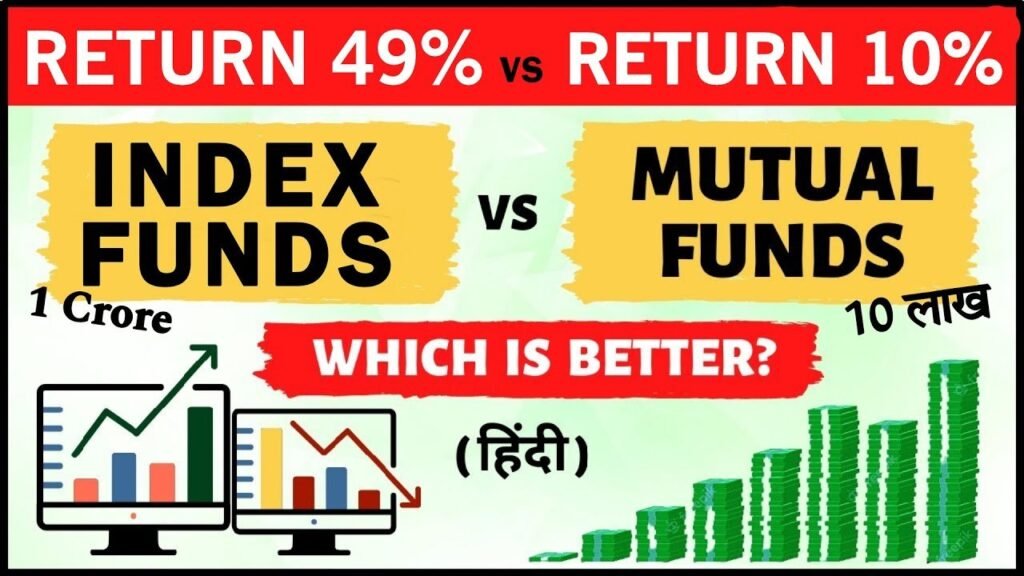
The Nifty 50 Index is India’s flagship stock market index, curated by the National Stock Exchange (NSE). Serving as a benchmark for the Indian equity market, it includes 50 of the most liquid and fundamentally strong companies across various sectors. In this guide, we’ll break down its core features, market relevance, emerging trends, and practical ways you can profit from Nifty 50 movements. What is Nifty 50? Introduced in 1996, the Nifty 50 represents the top 50 large-cap companies listed on the NSE. These companies span across 13 diverse sectors such as banking, IT, FMCG, and energy. The index is calculated using the free-float market capitalization method, with a base year of 1995 (base value: 1000 points), making it a mirror of India’s economic strength and corporate performance. Core Features of Nifty 50 Why Nifty 50 Matters to Investors Nifty 50: Future Trends to Watch How to Profit from Nifty 50 Movements 1. Invest in Index Funds & ETFs Opt for cost-efficient ETFs like ICICI Prudential Nifty ETF that replicate Nifty 50’s performance. 2. Trade in Futures & Options (F&O) 3. Swing Trading Strategies Use technical indicators (RSI, Bollinger Bands, moving averages) for short- to medium-term trades (3–5 days). 4. Exploit Arbitrage Opportunities Earn low-risk profits by leveraging price differences between spot and futures markets. 5. Systematic Investment Plans (SIPs) Set up monthly investments in Nifty-based funds for long-term compounding and wealth creation. Pro Tips for Traders and Investors ✅ Stay Updated: Follow macro trends—RBI policies, global interest rates, oil prices, and geopolitical developments.✅ Manage Risk: Always use stop-loss orders, especially in derivative trades.✅ Diversify Your Strategy: Combine Nifty 50 positions with sector-specific and thematic funds for balanced exposure. Conclusion The Nifty 50 isn’t just an index—it’s a reflection of India’s economic engine and corporate leadership. Whether you’re a conservative investor or an active trader, Nifty 50 offers immense opportunities through ETFs, futures, and systematic investing. With informed strategies and disciplined execution, you can turn market movements into consistent profits.