Blog

dolly khanna
Blog

Dolly Khanna: The Unassuming Queen of Indian Stock Market

Dolly Khanna is a name that resonates with success in the Indian stock market. Known for her astute stock-picking skills, particularly in small and mid-cap companies, Dolly has become an icon for retail investors across the country. Net Worth as of 2024 As of January 2025, Dolly Khanna’s net worth from publicly disclosed equity investments is estimated to be around INR 511.33 crore. However, this figure only includes companies where her shareholding exceeds 1%, suggesting her actual net worth could be significantly higher. Birth and Early Life Born in 1965, Dolly Khanna hails from Chennai, Tamil Nadu. She has a background in science and holds an MBA in finance. Her journey into the world of investing began in the late 1990s, marking the start of a remarkable career in the stock market. The Rise of Dolly Khanna Dolly Khanna’s rise to prominence is a fascinating story of entrepreneurship and investment acumen. In 1986, Dolly and her husband Rajiv Khanna launched a frozen yogurt company called “Kwality Milk Foods”. They later sold this venture to Hindustan Unilever in 1995, providing them with the initial capital to venture into stock market investments. Major Investments Dolly Khanna’s portfolio is diverse and dynamic. As of January 2025, she publicly holds stakes in 19 companies, with a total investment value of over INR 481.5 crore[22]. Some of her notable investments include: Her investment strategy often focuses on companies whose products are used in everyday life, aligning with the philosophy of investing in what you understand. Personal Life, Family, and the Man Behind the Scenes While Dolly Khanna is the face of the investment portfolio, it’s her husband, Rajiv Khanna, who manages the investments. Rajiv, an IIT Madras graduate in Chemical Engineering, is the mastermind behind their investment strategies. The couple’s journey is a testament to teamwork and shared vision. Rajiv’s experience in running a successful business (Kwality Milk Foods) has significantly influenced their stock-picking strategy, particularly their preference for small B2C companies. Philanthropy and Achievements While specific details about Dolly Khanna’s philanthropic activities are not widely publicized, her impact on the Indian investment community is undeniable. She has become a role model for many aspiring investors, especially women, in India[1]. Her achievements in the stock market are numerous. Some notable ones include: Investment Philosophy Dolly Khanna’s investment philosophy is characterized by: Willingness to exit positions when necessary, as demonstrated by her timely exit from IT holdings before the dot-com bubble and from Unitech before the global financial crisis Conclusion Dolly Khanna’s journey from an entrepreneur to a stock market icon is a story of vision, strategy, and perseverance. Her success serves as an inspiration to investors across India, proving that with the right approach and dedication, one can achieve remarkable success in the stock market.

pacl scam
Blog

The PACL Scam: The Rise and Fall of Nirmal Singh Bhangoo’s Ponzi Scheme

Nirmal Singh Bhangoo, a former milkman from Punjab, masterminded one of India’s most notorious financial frauds, the PACL scam. Emerging from humble roots, he founded the Pearls Group, which became infamous for orchestrating a massive Ponzi scheme. By defrauding millions of small investors, Bhangoo amassed billions of rupees, leaving a trail of devastation in its wake. Overview of the PACL Scam Early Life of Nirmal Singh Bhangoo Nirmal Singh Bhangoo was born in Bela village, Ropar district, Punjab, into a modest family. His early life was marked by hard work and perseverance, eventually rising from being a milk vendor to masterminding one of the largest financial scams in India’s history. Modus Operandi of the PACL Scam Bhangoo’s scheme was built on a foundation of deceit, making it one of the most sophisticated Ponzi operations in India. His tactics included: Uncovering the PACL Scam The fraud began to unravel in the late 1990s as regulatory bodies started to receive complaints: The Arrest of Nirmal Singh Bhangoo On January 8, 2016, Nirmal Singh Bhangoo was arrested by the CBI, along with three associates. They were charged with criminal conspiracy, cheating, and breach of trust. Also Read: The PNB Scam Current Scenario Legacy of the PACL Scam The PACL scam highlighted significant gaps in India’s regulatory framework, emphasizing the urgent need for more stringent oversight of investment schemes. For millions of defrauded investors, the scam remains a painful reminder of financial fraud and its long-lasting consequences. As authorities continue to recover assets and refund investors, the PACL case continues to serve as a cautionary tale for both investors and regulators.

abhishek kar
Blog

The Rise and Fall of Abhishek Kar: A Wake-Up Call for Finfluencers and Investors

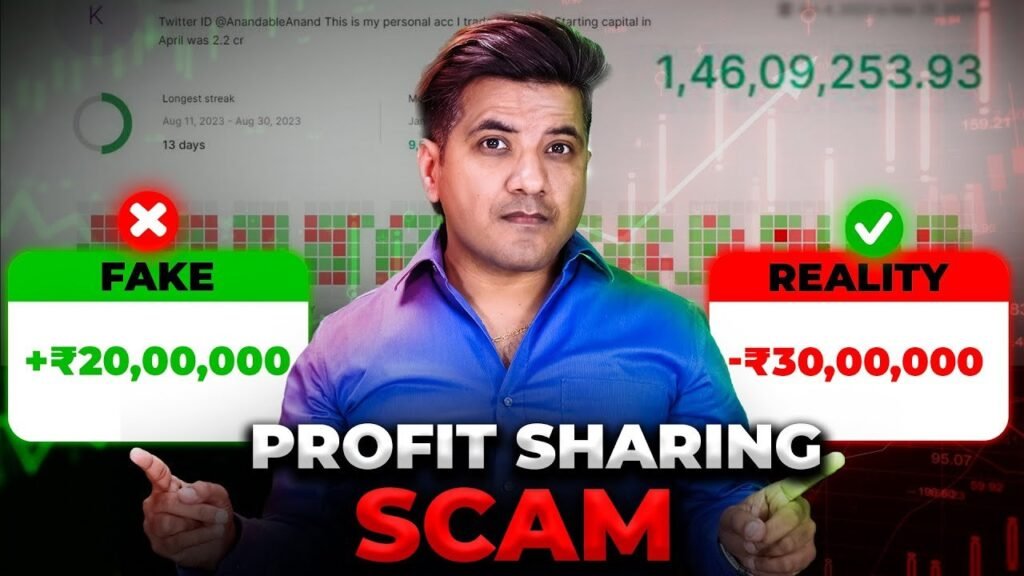
In today’s digital era, financial influencers—popularly known as “finfluencers“—play a significant role in educating retail investors. However, the dramatic downfall of Abhishek Kar, once a celebrated finfluencer, sheds light on the darker side of unregulated financial advice. His story serves as a cautionary tale, emphasizing the risks posed by the lack of oversight in the finfluencer ecosystem. Who Was Abhishek Kar? Abhishek Kar rose to fame as a prominent finfluencer, amassing a massive following across platforms like YouTube, Instagram, and Twitter. With over 1.5 million followers, Kar was widely recognized for his stock market tips, trading strategies, and premium courses. His reach extended to platforms like Telegram, where he reportedly shared trading calls with his audience.While his content attracted a loyal audience, allegations of unethical practices and regulatory violations soon surfaced, bringing his operations under scrutiny. The Unveiling of Alleged Malpractices 1. Unregistered Investment Advisory Services Kar’s activities raised red flags as he allegedly offered unregistered investment advisory services, violating norms set by the Securities and Exchange Board of India (SEBI). Claims of misrepresentation of trading performance and deceptive tactics further tainted his credibility. 2. Modus Operandi: How He Operated Abhishek Kar’s meteoric rise was fueled by a mix of calculated strategies: How the Abhishek Kar Saga Unfolded? The unraveling of Kar’s empire came through a series of revelations: SEBI’s Regulatory Response Though no direct penalties have been imposed on Kar so far, SEBI is taking proactive steps to curb such practices and protect retail investors: Also Read: Finfluencer Nasir Ansari Scam: The ‘Baap of Charts’ Controversy The Fallout and Industry Impact The controversy has had far-reaching consequences: Key Lessons from the Abhishek Kar Case Conclusion The rise and fall of Abhishek Kar underscore the urgent need for a more regulated and transparent finfluencer ecosystem. As digital platforms blur the line between education and solicitation, both regulators and investors must exercise caution. With SEBI’s proactive measures and heightened investor awareness, the financial landscape can evolve into a safer, more trustworthy environment for all.

satyam scam
Blog

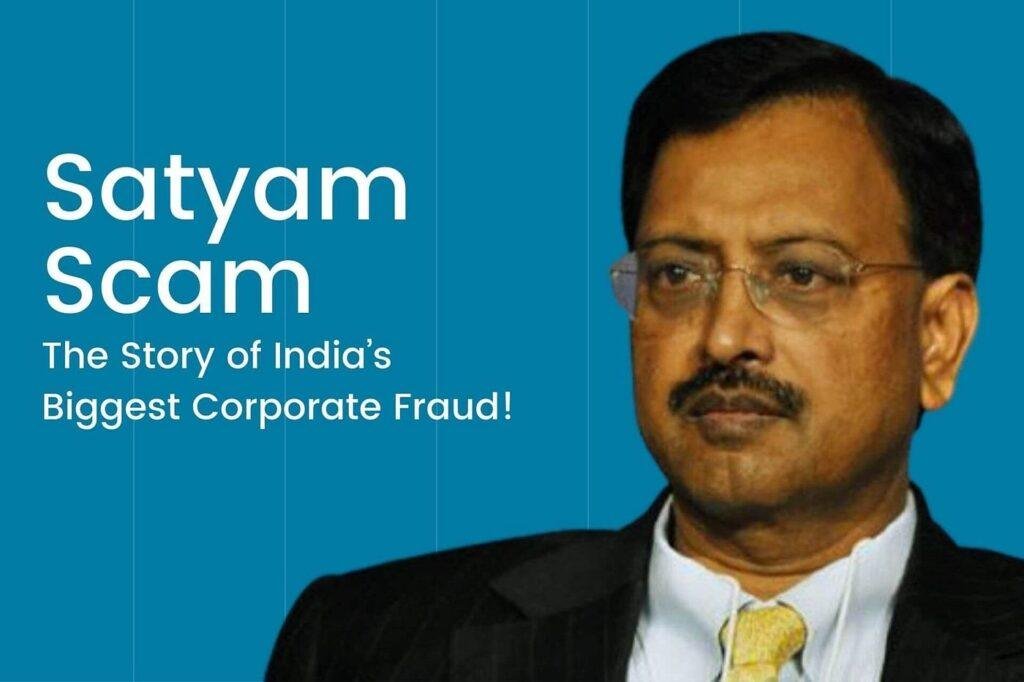
The Satyam Scam: Rise and Fall of Byrraju Ramalinga Raju

Byrraju Ramalinga Raju, once hailed as one of India’s most influential businessmen, was the founder of Satyam Computer Services. Known as the “IT czar” and often referred to as the “Bill Gates of Andhra Pradesh,” Raju’s rise to prominence in the Indian IT sector was meteoric. However, his legacy took a dramatic turn in 2009 when he became the architect of India’s largest corporate fraud. Early Life, Education, and Family Born on September 16, 1954, in Bhimavaram, Andhra Pradesh, Ramalinga Raju hailed from a modest farming family. His father ventured into grape cultivation, relocating to Hyderabad later in life.Education: • B.Com from Andhra Loyola College, Vijayawada.• MBA from Ohio University, USA.• Owner/President course at Harvard Business School. Family:• Father: Byrraju Satyanarayana Raju• Mother: Rasilaben Raju• Spouse: Nandini (married in 1976)• Children: Two sons (Teja Raju and Rama Raju) and one daughter (Deepti). The Satyam Scam In January 2009, the world was stunned as Ramalinga Raju admitted to orchestrating a massive fraud at Satyam Computer Services, leading to a loss of nearly ₹7,136 crores (about US$1.5 billion). This became one of the largest corporate scams in India’s history. Key Aspects of the Scam Also Read: Finfluencer Nasir Ansari Scam: The ‘Baap of Charts’ Controversy The Unraveling of the Scam Several critical events exposed the scale of the Satyam scandal:• Maytas Deal Collapse: The failed acquisition attempt raised suspicions, triggering a thorough investigation.• World Bank Blacklisting: Satyam was blacklisted by the World Bank for eight years in December 2008, further damaging its reputation.• Raju’s Confession: On January 7, 2009, Raju publicly confessed to the fraud in a letter addressed to the Satyam board and the Securities and Exchange Board of India (SEBI). Arrest and Legal Repercussions On January 9, 2009, Byrraju Ramalinga Raju and his brother B. Rama Raju were arrested by the CID Andhra Pradesh police for fraud-related charges, including breach of trust, conspiracy, and falsification of records. In 2015, Ramalinga Raju and nine others were convicted and sentenced to seven years in prison. However, they were granted bail shortly after. Aftermath of the Satyam Scandal Conclusion The Satyam scandal is a stark reminder of the dangers posed by corporate fraud and the critical role of robust governance and financial transparency. Ramalinga Raju’s dramatic fall from grace reshaped India’s corporate landscape and has continued to influence business practices and regulatory reforms in the country.By focusing on corporate ethics, accountability, and the necessity for rigorous financial reporting, India hopes to prevent such scandals from recurring in the future.

kaveri seeds shares
Blog, Uncategorized

P R Sundar Scheme: From Math Teacher to Controversial Finfluencer

P R Sundar, once hailed as India’s leading options trader, has become a cautionary tale in the world of financial influencers. This blog explores his journey from humble beginnings to his recent legal troubles. P R Sundar is a stock market analyst, share trading consultant, and social media financial influencer. Born on March 28, 1964, in Purisai, Tamil Nadu, Sundar gained fame for his options trading strategies and his large following on social media platforms. Sundar’s early life was marked by poverty. He grew up in a family of eight children and was sent to a charitable trust hostel at a young age. Despite these challenges, Sundar excelled academically, earning a postgraduate degree in mathematics. From Teacher to Trader After completing his education, Sundar began his career as a math teacher in Gujarat. In 1993, he moved to Singapore to teach mathematics, spending 11 years there before returning to India in 2005. It was during this time that Sundar developed an interest in stock market trading, learning from his Gujarati friends. Rise to Fame Sundar started trading in 2007 and quickly gained a reputation for his options trading strategies. He joined Twitter in 2017 and amassed a large following, with close to 500,000 followers on his private account. His YouTube channel (where he posts explainer videos on trading) has over 1 million subscribers. The Controversy In 2023, Sundar found himself at the center of a controversy involving unregistered investment advisory services. How Was the P R Sundar Scam Uncovered? SEBI received multiple complaints claiming that Sundar ran a website offering various packages to provide investment advice. Upon investigation, SEBI found that Sundar was offering advisory services via his website www.prsundar.blogspot.com, with fees collected through a payment gateway linked to Mansun Consultancy’s bank account. Also Read: The Kingfisher Airlines Loan Default Scam: The Rise and Fall of Vijay Mallya Legal Action and Settlement In May 2023, SEBI issued an order against Sundar, his company Mansun Consulting, and co-promoter Mangayarkarasi Sundar[2]. As part of the settlement: Current Scenario Following SEBI’s action, Sundar broke his silence on Twitter, stating, “People who believe you, need no explanation. People who do not believe you, no amount of explanation will help. So keeping silence, at least for some time, is the best response.” The case against Sundar has sparked a broader discussion about the regulation of financial influencers in India. Finance Minister Nirmala Sitharaman has warned about the dangers of unregulated financial advice, though there are currently no specific plans to regulate “finfluencers”[2]. P R Sundar’s story serves as a reminder of the importance of proper regulation and transparency in the world of financial advice. As the influence of social media on investment decisions continues to grow, cases like this highlight the need for both influencers and investors to navigate this landscape with caution and integrity.

Kingfisher Airlines Loan Default Scam
Blog

The Kingfisher Airlines Loan Default Scam: The Rise and Fall of Vijay Mallya

Vijay Vittal Mallya, born on December 18, 1955, in Bantwal, Karnataka, is a prominent Indian businessman and former politician. Known as the “King of Good Times”, Mallya made his mark as the chairman of United Spirits, India’s largest spirits company. He also led United Breweries Group, a multinational conglomerate best known for its Kingfisher beer brand. Early Life, Education, and Family Background Mallya was born into a Konkani-speaking family, with his father, Vittal Mallya, being a well-known businessman in the alcoholic beverage industry. The Kingfisher Airlines Loan Default Scam: A Timeline of Events Vijay Mallya became synonymous with the Kingfisher Airlines loan default scandal that shook India’s banking sector. Kingfisher Airlines, launched in 2005, was grounded in 2012 due to mounting debt and mounting losses. The airline’s financial troubles set off a series of events that eventually led to one of the biggest loan default cases in Indian history. The Kingfisher Airlines Loan Default Modus Operandi of the Scam Vijay Mallya’s Kingfisher Airlines loan default involved several layers of deceit and financial manipulation: How the Scam Was Exposed? The scam began unraveling when Kingfisher Airlines began to default on its loans, leading to growing concerns within the banking sector. Key developments include: Current Legal Status Impact on India’s Financial Landscape The Kingfisher Airlines loan default scandal serves as a cautionary tale about the consequences of financial mismanagement and regulatory lapses. It exposed several vulnerabilities in India’s banking sector and led to significant reforms aimed at reducing the risk of such large-scale frauds. The ongoing investigations and legal battles are a reminder of the need for transparency, accountability, and vigilance in India’s financial system. Also Read: The Sahara Scam: The Rise and Fall of Subrata Roy Conclusion The Kingfisher Airlines loan default scam remains one of the most high-profile financial frauds in India’s history. With Vijay Mallya at its helm, this case underscores the importance of sound governance, financial discipline, and stringent regulatory frameworks to prevent similar frauds in the future. Despite the ongoing legal battles, the Kingfisher scandal continues to shape the future of India’s banking and aviation sectors, emphasizing the need for comprehensive oversight in preventing large-scale financial crimes. By incorporating stringent financial checks, better fraud detection systems, and an improved legal framework, India can hope to prevent such scandals from occurring again.

cms info systems share
Blog

The Sahara Scam: The Rise and Fall of Subrata Roy

Subrata Roy, often referred to as “Sahara Shri,” was the visionary founder of Sahara India Pariwar, one of India’s largest and most diverse conglomerates. Roy’s entrepreneurial journey spanned industries such as finance, real estate, media, and hospitality, with Sahara becoming a household name. However, his rise to fame was overshadowed by the infamous Sahara-SEBI dispute, which led to one of the biggest financial scams in Indian history. Sahara India Pariwar: The Company Behind the Scam Sahara India Pariwar was a massive business empire involved in various sectors. The company gained immense popularity, but it was also marred by the fraudulent activities that came to light, leading to its dramatic fall. Early Life, Education, and Family of Subrata Roy 1. Birth and Childhood Subrata Roy was born on June 10, 1948, in Araria, Bihar, to Sudhir Chandra Roy and Chhabi Roy. His early years were spent in Gorakhpur, Uttar Pradesh, where he spent much of his childhood. 2. Education • Schooling: Holy Child School, Kolkata• Diploma: Mechanical Engineering from the Government Technical Institute, Gorakhpur 3. Family • Wife: Swapna Roy (married in 1976)• Children: Two sons, Sushanto Roy and Seemanto Roy Subrata Roy’s Early Career Before founding Sahara India, Roy started his journey as a small-time entrepreneur, selling snacks from a Lambretta scooter under the name Jaya Products. In 1978, with just ₹2,000 in capital, Roy launched Sahara from a small office in Gorakhpur, setting the stage for the creation of a multi-billion-dollar empire. The Sahara Scam: A Deep Dive into the Fraud The Sahara-SEBI dispute, also known as the Sahara Chit Fund Scam, is infamous for its scale and the extensive fraudulent practices that took place. Subrata Roy and the directors of Sahara India Real Estate Corporation (SIREC) and Sahara Housing Investment Corporation (SHIC) were at the center of orchestrating the scam. Total Scam Amount The total amount involved in the scam was initially estimated at around ₹24,000 crore, but with accumulated interest, it grew to more than ₹40,000 crore. Nearly 3 crore investors were affected, making this one of India’s largest financial frauds. Modus Operandi: How Sahara Deceived Millions Sahara India used multiple fraudulent tactics to bypass regulatory norms and deceive investors: Also Read: The Saradha Group Ponzi Scheme Scam How the Scam Was Uncovered? The Sahara Scam came to light due to several key events: Current Status of the Sahara Scam The saga surrounding the Sahara Scam continues to unfold, even after Subrata Roy’s death on November 14, 2023: Conclusion: Lessons from the Sahara Scam The Sahara Scam serves as a powerful reminder of the devastating impact financial fraud can have on both investors and the economy at large. While Subrata Roy’s rise demonstrated business acumen, his fall underscores the importance of transparency, accountability, and robust regulatory systems. This scandal has had a lasting impact on India’s financial ecosystem, resulting in greater scrutiny of investment schemes and improvements in investor education and protection.

saradha group Ponzi Scheme
Blog

The Saradha Group Ponzi Scheme: How Sudipta Sen Orchestrated One of India’s Largest Financial Frauds

Sudipta Sen was the founder of the infamous Saradha Group, an empire built on fraudulent promises that left millions of investors in financial ruin. He became notorious as the mastermind behind one of India’s largest Ponzi schemes, which affected investors across West Bengal, Assam, Odisha, and beyond. Sudipta Sen’s rise from humble beginnings to become a prominent figure in the financial world was marked by deceptive practices that ultimately shattered countless lives. The Saradha Group: The Heart of the Fraud The Saradha Group was not just a single company but a consortium of over 200 private companies. It operated across various sectors, including real estate, tourism, media, and hospitality. On the surface, it appeared legitimate, offering attractive returns to investors. In reality, it was a complex web of deceit designed to exploit investors’ trust. Sudipta Sen’s Early Life and Career While Sudipta Sen’s early life remains largely shrouded in mystery, it is clear that his entrepreneurial journey began in the early 2000s. His business acumen and connections enabled him to quickly expand the Saradha Group into a large empire. Sen’s secretive nature only added to the enigma of his public persona, which helped him build credibility, especially when it came to gaining investors’ trust. The Saradha Group Financial Scandal: A Breakdown The Modus Operandi of the Saradha Group Ponzi Scheme Sudipta Sen’s Ponzi scheme was built on a web of lies and deception, employing several strategies to sustain the illusion of profitability: How Was the Saradha Scam Exposed? The Saradha Ponzi scheme started to unravel in early 2013 due to a series of red flags: Also Read: YouTuber Ravindra Balu Bharti Scam: The Rise and Fall of a Finfluencer The Arrest of Sudipta Sen and Associates On April 23, 2013, Sudipta Sen and his associates were arrested in Sonmarg, Kashmir, after evading capture for nearly a week. Their arrest marked a significant turning point in the case, but the damage caused by the scam continued to affect millions of investors. The Current Scenario: Legal, Political, and Financial Fallout Conclusion The Saradha Group scam remains one of India’s largest and most devastating Ponzi schemes. Its aftermath continues to impact millions of investors and has led to significant changes in India’s financial regulations. The Saradha scandal serves as a cautionary tale about the dangers of unchecked financial fraud and highlights the need for vigilance in safeguarding investors’ interests.

nifty next 50
Blog

Nifty Next 50: Unveiling the Growth Potential in India’s Stock Market

The Indian stock market has always been a treasure trove of opportunities for investors. While the Nifty 50 hogs much of the limelight, there’s another index that deserves your attention — Nifty Next 50. Often referred to as the “stepping stone” to the Nifty 50, this index represents the next set of top 50 companies poised for growth and prominence. In this blog, we’ll explore the scope of the Nifty Next 50 and why it could be a goldmine for savvy investors. What is the Nifty Next 50 Index? The Nifty Next 50 is a benchmark index that comprises the 50 largest companies (by market capitalization) that are not part of the Nifty 50. These companies have the potential to graduate to the Nifty 50, making them exciting prospects for long-term investors. Key Features of Nifty Next 50: Why Invest in Nifty Next 50? 1. Future Blue-Chips: Companies in the Nifty Next 50 are on the cusp of becoming household names. Historically, several Nifty 50 constituents, like Asian Paints, Nestlé, and HDFC Bank, started their journey in the Nifty Next 50. Investing early in such companies can lead to significant wealth creation. 2. Attractive Returns: The Nifty Next 50 has historically delivered competitive returns, often outperforming the Nifty 50 during bull markets. This is because these companies experience rapid growth as they strive for a spot in the top-tier index. 3. Sectoral Exposure Unlike the Nifty 50, which has a heavy weightage in finance and IT sectors, the Nifty Next 50 provides exposure to diverse industries, including consumer goods, healthcare, and infrastructure. This ensures better sectoral balance in your portfolio. Challenges and Risks While the Nifty Next 50 offers lucrative opportunities, it’s not without risks: Also Read: Hindustan Aeronautics: Reaching for the Skies Nifty Next 50 in the Future India’s growth story, driven by increasing urbanization, a burgeoning middle class, and government reforms, bodes well for the companies in the Nifty Next 50. Here’s why this index holds immense promise for the future: 1. Economic Growth India’s GDP growth, coupled with favorable policies like the Production Linked Incentive (PLI) schemes, is creating a conducive environment for businesses to thrive. Many Nifty Next 50 companies are positioned to benefit from these trends. 2. Digital and Infrastructure Boom The rapid pace of digital transformation and infrastructure development will propel companies in sectors like technology, construction, and logistics — many of which are part of this index. 3. Increased Domestic Participation With the rise of retail investors in India and growing SIP (Systematic Investment Plan) inflows, indices like the Nifty Next 50 are likely to attract more attention and investments. How to Invest in the Nifty Next 50? 1. Index Funds and ETFs: For those who prefer a passive approach, investing in Nifty Next 50-based index funds or ETFs is a hassle-free way to gain exposure. 2. Direct Equity: If you have the time and expertise, you can pick individual stocks from the index that show strong fundamentals and growth potential. 3. Systematic Investment: Given the potential volatility, a systematic investment plan (SIP) is a prudent way to average out costs and reduce risks. Conclusion The Nifty Next 50 is a hidden gem in the Indian stock market, offering a perfect blend of growth and stability. As India marches towards becoming a $5 trillion economy, the companies in this index are well-positioned to ride the wave of progress. By investing early and staying disciplined, you can unlock the immense potential of the Nifty Next 50 and achieve long-term financial goals.

hindustan aeronautics limited
Blog

Hindustan Aeronautics: Reaching for the Skies

Hindustan Aeronautics Limited (HAL) has long been a symbol of India’s prowess in aerospace engineering and defense technology. As one of the country’s largest and most important defense public sector undertakings, HAL has been instrumental in shaping India’s capabilities in air combat, avionics, and defense systems. This blog explores HAL’s journey, its contributions to the aviation sector, and its vision for the future as it continues to soar to new heights. The Legacy of Hindustan Aeronautics Limited HAL was established in 1940 as Hindustan Aircraft Limited, with a primary focus on manufacturing aircraft for the Royal Air Force during World War II. Post-independence, the company evolved, becoming Hindustan Aeronautics Limited in 1964. Over the decades, HAL has developed a wide range of aircraft, helicopters, and avionics systems, playing a crucial role in both civilian and military aviation sectors. Civilian Contributions HAL’s role extends beyond the defense sector. It manufactures civilian aircraft, such as the Dornier 228 and the Advanced Light Helicopter (ALH). These products are pivotal for transport, reconnaissance, and disaster relief operations in India and abroad. The success of the Light Combat Aircraft (LCA) Tejas marks HAL’s growing expertise in developing indigenous solutions, reducing dependency on foreign technology. Military Process HAL’s military contributions have been significant, particularly in the development and production of advanced fighter jets like the Su-30MKI and the Tejas. The Tejas Light Combat Aircraft stands as a testament to HAL’s engineering capabilities, designed to meet the rigorous demands of modern aerial warfare. The company’s collaborations with global aerospace giants like Boeing and Dassault Aviation further underline its ability to integrate cutting-edge technology with domestic innovation. Technological Advancements and R&D HAL has invested heavily in research and development (R&D) to stay ahead of global competitors. The Aerospace Systems Development Centre (ASDC) is at the forefront of developing advanced technologies such as Unmanned Aerial Vehicles (UAVs), radar systems, and avionics upgrades. HAL’s commitment to innovation is reflected in its focus on indigenization and the ‘Make in India’ initiative, aimed at reducing imports and boosting domestic production. Future Outlook Looking ahead, HAL aims to further expand its capabilities with projects like the Tejas Mark-2 and the Multi-Role Fighter Aircraft (MRFA). The company’s focus on partnerships with international defense firms is also a strategic move to access advanced technologies. With the rise of fifth-generation aircraft, HAL is positioning itself as a key player in the global aerospace market, aligning its growth strategy with India’s ambitions as a major defense exporter. Conclusion Hindustan Aeronautics Limited’s journey from a modest aircraft manufacturer to a global aerospace hub is nothing short of remarkable. As it continues to innovate and expand, HAL remains a vital component of India’s defense and aerospace ecosystem. With its sights set on the future, HAL is not just reaching for the skies—it’s paving the way for India’s ascent in the global aerospace industry.

Scroll to Top
Get Free Demo Class in Live Market Trading
Be an Expert
Stock Trader

Just in One Month

16+

Years of Experience

30,000

Students Trained


Call Now