
Blog

cms info systems share
Blog

Why Is Gold Price Rising So Much? Its Impact and Future Forecast

Gold has been on a strong upward rally, reaching new highs and surprising investors worldwide. This surge in gold prices is driven by several economic, geopolitical, and market factors. In this blog, we will explore why gold is going up, its impact on the economy, and what the future holds for gold prices. Why Is Gold Price Rising So Much? 1. Global Economic Uncertainty Gold is considered a safe-haven asset. During times of economic uncertainty, investors shift their money from risky assets like stocks to gold. The recent banking crises, inflation concerns, and slowing global economic growth have made investors seek refuge in gold. 2. Inflation and Interest Rates Gold is a hedge against inflation. As inflation rises, the purchasing power of money declines, making gold more attractive. Additionally, while central banks (like the US Federal Reserve and RBI) have increased interest rates to control inflation, investors expect rate cuts in the near future, further boosting gold’s appeal. 3. Weakening US Dollar Gold and the US dollar have an inverse relationship. A weaker dollar makes gold cheaper for investors using other currencies, increasing demand. The US Federal Reserve’s monetary policies and global de-dollarization trends are pushing the dollar down, driving gold prices up. 4. Geopolitical Tensions Ongoing geopolitical conflicts, such as the Russia-Ukraine war and tensions in the Middle East, are making investors turn to gold for safety. Any uncertainty in global politics increases gold’s demand, pushing prices higher. 5. Central Bank Buying Many central banks, including India’s RBI and China’s PBOC, have been increasing their gold reserves. This large-scale buying is reducing gold supply in the market, driving prices higher. 6. Supply Constraints Gold mining production has remained relatively stable, but demand has surged. Limited supply, coupled with rising demand from investors and central banks, is contributing to the price increase. Impact of Rising Gold Prices 1. Impact on Investors 2. Impact on the Economy 3. Impact on the Stock Market Future Forecast: Will Gold Prices Continue to Rise? Short-Term Forecast (2024-2025) Long-Term Forecast (2025 and Beyond) Should You Invest in Gold Now? Gold remains a strong long-term investment, but since it has already risen significantly, new investors should be cautious. It’s always advisable to:


trump's tariff
Blog

Trump’s Tariff Policy: Its Impact on the Global Economy and Growing Countries Like India

The global economy is deeply interconnected, and any shift in U.S. trade policy —especially one involving tariffs—has widespread repercussions. With Donald Trump making headlines about his stance on increasing tariff rates, the world is once again preparing for potential trade disruptions. While developed nations have their strategies in place to counterbalance such policies, growing economies like India face unique challenges and opportunities. Understanding Trump’s Tariff Strategy Trump has consistently advocated for higher tariffs as a means to reduce the U.S. trade deficit and boost domestic manufacturing. His administration previously imposed heavy tariffs on Chinese goods, steel, aluminum, and even European auto exports. If re-elected, Trump has hinted at a 10% tariff across all imports, which could significantly alter global trade dynamics. The objectives behind Trump’s tariff policies include: While the U.S. economy might see some short-term gains, the long-term global impact could be significant, particularly for emerging economies like India. How Trump’s Tariffs Could Affect the Global Economy Challenges for India Opportunities for India Conclusion: A Balancing Act for India and Other Growing Economies Trump’s tariff policies, if implemented aggressively, could create challenges for global trade, but they also open doors for strategic shifts in emerging economies like India. By enhancing domestic manufacturing, diversifying trade partnerships, and strengthening economic policies, India can navigate these challenges effectively. While protectionist policies may slow global growth in the short term, adaptability and resilience will determine how well growing economies like India thrive in the changing landscape of international trade.

bandhan bank
Blog

Bandhan Bank’s Growth Slowdown: Key Challenges and Future Prospects

Bandhan Bank, a significant player in India’s banking sector, is currently facing a slowdown in its growth trajectory. Several factors, including declining profitability, asset quality concerns, regulatory challenges, and leadership transitions, have contributed to this situation. Decline in Net Profit In Q3 of FY 2024-25, Bandhan Bank’s net profit plunged 41.8% year-on-year to ₹426.5 crore, compared to ₹732.7 crore in the same period last year. This sharp decline is primarily due to revised Employee Stock Ownership Plan (ESOP) accounting policies and an increase in provisions for stressed microfinance loans. Rising Non-Performing Assets (NPAs) The bank’s gross NPA ratio surged to 4.23% in June 2024, up from 3.84% in the previous quarter, highlighting the challenges in maintaining asset quality. This increase signals underlying stress in the loan portfolio, emphasizing the need for robust risk management measures to curb further deterioration. Regulatory Hurdles Impacting Growth The Reserve Bank of India (RBI) lending restrictions on microfinance institutions have created roadblocks for Bandhan Bank. Given its historically strong presence in the microfinance segment, these constraints limit its expansion and revenue generation. To counter this, the bank is actively diversifying into secured loans and exploring new markets to reduce dependency on microfinance lending. Leadership Changes and Strategic Direction The appointment of Partha Pratim Sengupta as the new CEO, following RBI’s approval, is expected to bring leadership stability. Sengupta’s extensive experience in banking is anticipated to play a crucial role in steering the bank through its current challenges while driving strategic initiatives. Future Outlook: Adapting to Market Dynamics Despite recent setbacks, Bandhan Bank is implementing key strategic measures to revive growth: Conclusion While Bandhan Bank is navigating through a period of financial stress and regulatory challenges, its proactive approach towards diversification, risk management, and leadership restructuring could help restore growth momentum. The bank’s ability to adapt to regulatory shifts, strengthen asset quality, and expand beyond microfinance will be pivotal in shaping its future success.

forex vs indian stock market
Blog

Forex vs. Indian Stock Market: Which One Is Best for Traders and Investors?

The world of financial markets offers numerous opportunities for traders and investors, but choosing the right market can be challenging. The two most popular markets are Forex (Foreign Exchange) and the Indian Stock Market. Both have unique features, characteristics, risks, and rewards. In this blog, we will explore the key aspects of each market, helping you decide which one suits your trading and investment goals. What Is Forex? Forex, or the Foreign Exchange Market, is a decentralized global marketplace for trading national currencies. It is the largest financial market in the world, with a daily turnover exceeding $7.5 trillion. Traders buy and sell currency pairs, profiting from fluctuations in exchange rates. Key Features of Forex Market What Is the Indian Stock Market? The Indian Stock Market is a centralized marketplace where shares of publicly listed companies are traded. The two primary exchanges in India are the National Stock Exchange (NSE) and the Bombay Stock Exchange (BSE). Investors and traders buy shares to profit from price appreciation or dividends. Key Features of the Indian Stock Market Which One Is Best for You? Choose Forex if: Choose the Indian Stock Market if: Final Verdict Both markets offer unique advantages. Forex is better for short-term traders, while the Indian Stock Market is ideal for investors seeking long-term growth. Traders looking for higher leverage and liquidity might prefer Forex, whereas those who want stability and passive income (dividends) should go with stocks. Conclusion The choice between Forex and the Indian Stock Market depends on your financial goals, risk appetite, and trading style. If you enjoy quick trades and high risk, Forex is the way to go. If you prefer steady growth and lower risk, investing in Indian stocks is a smarter choice. Are you looking for expert guidance on stock trading and investing? At ISFM, India’s leading stock market training institute, we provide in-depth stock market courses, trading strategies, and investment techniques to help you master the markets. Join us today and take your financial journey to the next level! 🚀 🔹 Have any questions? Drop them in the comments!🔹 Share this blog if you found it helpful!

finotex chemical ltd
Blog

Mutual Fund vs. Index Fund: A Comprehensive Analysis – Which One Should You Choose?

Investing in the stock market can be overwhelming, especially when faced with numerous options like mutual funds and index funds. Both are excellent investment choices but serve different purposes based on an investor’s risk appetite, investment goals, and market knowledge. In this blog, we will analyze mutual funds vs. index funds in detail, highlighting their advantages, risks, and key differences to help you make an informed decision. Understanding Mutual Funds A mutual fund is a professionally managed investment vehicle that pools money from various investors and invests in a diversified portfolio of stocks, bonds, or other assets. The goal is to generate maximum returns based on the fund’s investment strategy. Types of Mutual Funds Pros of Mutual Funds Professional Management – Fund managers actively select and manage investments.Diversification – Reduces risk by spreading investments across various assets.Customizable Risk Levels – Investors can choose from low, medium, or high-risk funds. Understanding Index Funds An index fund is a type of mutual fund or exchange-traded fund (ETF) that passively tracks a specific market index, such as the Nifty 50 or Sensex. Instead of actively picking stocks, index funds simply replicate the performance of the chosen index. Popular Index Funds in India Pros of Index Funds Cons of Index Funds Which One Should You Choose? Choose a Mutual Fund If: Choose an Index Fund If: Conclusion Both mutual funds and index funds are excellent investment options, but the right choice depends on your financial goals, risk tolerance, and investment strategy. If you seek market-beating returns and are comfortable with higher fees, mutual funds might be the right choice. However, if you prefer a low-cost, steady growth approach, index funds can be a better option. 🔎 Pro Tip: Many investors opt for a combination of both – active mutual funds for aggressive growth and index funds for stable, passive returns. Are you ready to invest? Consider your financial goals and start your investment journey today! 🚀💰 Want more expert insights on investing? Follow ISFM – Your Trusted Stock Market Training Institute in Gurgaon!

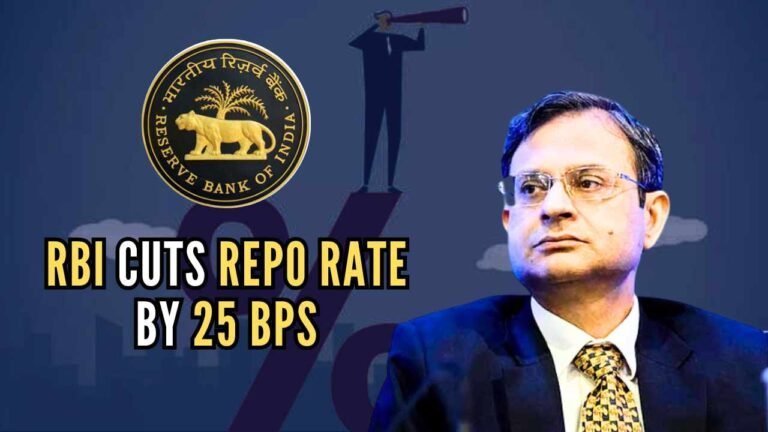
RBI Cuts Repo Rate by 25 bps: Smart Strategies to Lower Your Home Loan Interest Burden
Blog

RBI Cuts Repo Rate by 25 bps: Smart Strategies to Lower Your Home Loan Interest Burden

The Reserve Bank of India (RBI) has reduced the repo rate by 25 basis points (bps) to 6.25%, marking the first rate cut in nearly five years. This move brings significant relief for home loan borrowers, particularly those with floating-rate loans linked to the repo rate. If you have an existing home loan, you can capitalize on this rate cut to lower your EMI burden, reduce overall interest costs, and shorten your loan tenure. Here’s how you can make the most of this rate reduction: 1. Refinance Your Home Loan: Switch to a Lower Interest Rate If your home loan is linked to older benchmarks like the MCLR (Marginal Cost of Lending Rate) or the base rate, you could be paying higher interest than necessary. Consider refinancing your home loan to a repo rate-linked loan, which can offer better interest rates starting from 8.35%. Tip: Compare home loan interest rates across different banks and financial institutions before transferring your loan to secure the best deal. 2. Negotiate With Your Lender for a Lower Interest Rate Even if your loan is already linked to the repo rate, negotiating with your lender can further reduce your interest burden. Tip: Keep track of repo rate changes and compare lender interest rates every 3-6 months to ensure you’re getting the best deal. 3. Use Partial Prepayments to Reduce Your Interest Outgo The repo rate cut, along with tax savings under the new income tax regime, can increase disposable income for salaried individuals. Rather than spending the extra savings, consider making partial prepayments on your home loan. Example:A borrower with a ₹75 lakh home loan over 20 years at 9% interest will pay a total of ₹1.62 crore over the tenure. If the interest rate drops to 8.75% after 3 years, the borrower can save ₹4.97 lakh and close the loan 7 months earlier. Tip: Use your annual bonus, salary hike, or windfall gains to make prepayments and reduce long-term interest costs. 4. Choose the Right Home Loan Provider If you are planning to take a new home loan, opt for a lender with the lowest spread over the repo rate. Some banks and housing finance companies (HFCs) may offer lower rates compared to others. Tip: Use online home loan EMI calculators to estimate interest savings before switching lenders. Final Thoughts The 25 bps repo rate cut by the RBI offers a great opportunity for home loan borrowers to optimize their finances. Whether through refinancing, negotiating, making prepayments, or switching lenders, taking proactive steps can save you lakhs in interest payments.Maximize your home loan savings today—stay informed, take action, and invest wisely!

Nikhil Kamath
Blog

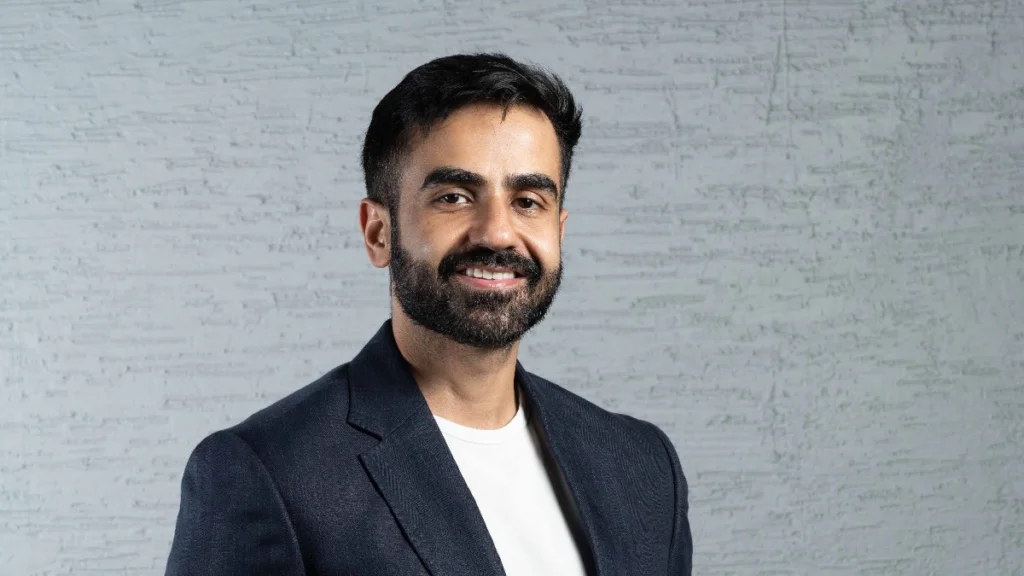
Nikhil Kamath: The Visionary Co-Founder of Zerodha and His Journey to Success

Nikhil Kamath, the co-founder of Zerodha, is a name synonymous with disruption in India’s stock trading landscape. From a school dropout to one of the youngest billionaires in India, his journey is nothing short of inspiring. With his deep understanding of trading, technology, and business, Nikhil has transformed how retail investors participate in the stock market. In this blog, we’ll explore his journey, the inception of Zerodha, and the lessons investors can learn from his success. Early Life and Background Born in 1986 in Karnataka, Nikhil Kamath had an unconventional path to success. Unlike many entrepreneurs who boast degrees from prestigious institutions, Nikhil dropped out of school at the age of 14. He showed an early interest in trading and started exploring the stock market (NSE India) during his teenage years. He initially worked at a call center while simultaneously trading in the stock market. With limited capital but a sharp analytical mind, he honed his skills in understanding market trends and risk management. His early experiences laid the foundation for his future ventures. The Birth of Zerodha In 2010, Nikhil Kamath, along with his brother Nithin Kamath (Wikipedia), co-founded Zerodha, India’s first discount brokerage firm. The name “Zerodha” is a combination of “Zero” and “Rodha” (a Sanskrit word meaning barrier), signifying their mission to remove financial barriers for retail investors. At the time, trading was expensive due to high brokerage fees. Zerodha revolutionized the industry by introducing a low-cost, technology-driven brokerage model with zero brokerage on equity investments and flat fees on trades. The company quickly gained traction among retail investors and traders. The Zerodha Success Story 1. Tech-Driven Approach Nikhil played a crucial role in leveraging technology to build Zerodha’s robust trading platform. With a focus on innovation, Zerodha introduced platforms like: 2. Customer-Centric Business Model Unlike traditional brokers, Zerodha focused on transparency and affordability. The introduction of zero brokerage for long-term investors and a flat ₹20 per trade model made stock trading accessible to millions. 3. Bootstrapped Success Zerodha’s success is remarkable because it never raised external funding. The Kamath brothers built a billion-dollar company purely through profitability and customer trust, a rare feat in today’s startup ecosystem. Nikhil Kamath’s Investment Philosophy Nikhil Kamath is a seasoned trader and investor with a data-driven approach. His investment strategies focus on: Apart from Zerodha, Nikhil also co-founded True Beacon, an asset management firm catering to ultra-high-net-worth individuals (UHNIs). Lessons from Nikhil Kamath’s Journey Conclusion Nikhil Kamath’s journey from a school dropout to a billionaire entrepreneur is an inspiration for aspiring investors and traders. His vision, risk-taking ability, and tech-driven approach have redefined India’s stock trading industry. Zerodha’s success is a testament to how innovation and perseverance can transform an entire sector. As retail investing continues to grow in India, Nikhil Kamath’s legacy will undoubtedly shape the future of the financial markets for years to come.

dinesh thakkar
Blog

Dinesh Thakkar: The Visionary Leader Behind Angel One Broking

Dinesh Thakkar is a name synonymous with innovation and disruption in India’s financial services industry. As the founder and chairman of Angel One Limited (formerly Angel Broking), he has played a crucial role in revolutionizing stock market investing for millions of Indians. His journey—from a humble beginning in Rajasthan to leading one of India’s largest retail broking firms—is truly inspiring.In this blog, we explore Dinesh Thakkar’s life, career, achievements, investments, philanthropy, and his impact on India’s financial ecosystem. Who is Dinesh Thakkar? Attribute Details Name Dinesh Thakkar Designation Founder & Chairman Company Angel One Limited Twitter Handle @DineshThakkar YouTube Channel Angel One Official Website Angel One Early Life & Background • Birth & Upbringing: Born in 1968 in Bhilwara, Rajasthan, Dinesh Thakkar hails from a modest family background in a town known for its textile industry.• Education: He pursued commerce education, developing an interest in finance at an early stage.• Initial Career: Although he initially worked in his family’s textile business, his passion for the stock market led him to explore the financial sector. The Story Behind Angel One • Founded in 1996, Angel Broking (now Angel One) started with a vision to simplify stock trading for retail investors.• Overcoming Challenges: Limited resources and stiff competition didn’t deter Dinesh Thakkar from pushing forward. His focus on technology and customer satisfaction played a key role in the company’s growth. Key Milestones in Angel One’s Journey ✅ Early Tech Adoption: Among the first Indian brokers to offer online trading platforms.✅ Discount Broking Model (2019): Introduced zero brokerage for equity delivery trades, disrupting traditional brokerage models.✅ Rebranding to Angel One (2021): The shift reflected its expansion into fintech and full-fledged financial services. Dinkesh Thakkar’s Investment Portfolio Dinesh Thakkar’s investment strategy focuses on innovation, fintech, and long-term growth. Some of his notable investments include:Fintech Startups – Angel One invests in emerging tech-driven financial companies.Wealth Management Expansion – Providing mutual funds, insurance, and portfolio management services. Personal Life Dinesh Thakkar’s Net Worth in 2024 As of 2024, his estimated net worth is ₹1,500 crore, largely driven by his stake in Angel One and investments in fintech & financial services. Key Takeaways Conclusion Dinesh Thakkar’s journey is an inspiring example of vision, perseverance, and innovation. From a small-town entrepreneur to leading a billion-dollar financial empire, he has transformed India’s stock market landscape. Through Angel One and his philanthropy, he continues to shape the future of finance in India.

nse vs bse
Blog

NSE vs BSE: A Comprehensive Comparison of India’s Leading Stock Exchanges

India’s stock market ecosystem revolves around two major exchanges—the National Stock Exchange (NSE) and the Bombay Stock Exchange (BSE). These two platforms facilitate stock trading, derivatives, and various financial instruments, playing a crucial role in India’s economic growth. If you’re an investor, trader, or market enthusiast, understanding the key differences between NSE and BSE will help you make informed decisions. What is NSE? The National Stock Exchange (NSE) was founded in 1992 and became operational in 1994. It was the first exchange in India to introduce electronic trading, eliminating the traditional paper-based system. NSE is known for its advanced technology, liquidity, and efficiency, making it the preferred choice for traders and institutional investors. Key Features of NSE ✔ Benchmark Index: Nifty 50, comprising 50 of the largest and most liquid stocks.✔ Technology-Driven Trading: Fully automated electronic trading platform.✔ High Liquidity: Preferred by high-frequency traders and institutional investors.✔ Derivatives Market: NSE dominates the derivatives market, offering futures and options trading.✔ Faster Trade Execution: Due to advanced infrastructure and high trading volumes. What is BSE? The Bombay Stock Exchange (BSE) was established in 1875, making it Asia’s oldest stock exchange. It played a pivotal role in shaping India’s stock market and remains one of the largest exchanges in the world in terms of listed companies. While it offers advanced electronic trading, it is often seen as more retail-investor friendly. Key Features of BSE ✔ Benchmark Index: SENSEX (Sensitive Index), consisting of 30 blue-chip companies.✔ Largest Number of Listed Companies: Over 5,500 companies are listed on BSE.✔ Investor-Friendly: Preferred by beginners and long-term investors.✔ Fastest Exchange: With a trading speed of 6 microseconds.✔ Diversified Product Offerings: Includes mutual funds, SME platform, and debt instruments. NSE vs BSE: A Head-to-Head Comparison Feature NSE (National Stock Exchange) BSE (Bombay Stock Exchange) Year Founded 1992 1875 Benchmark Index NIFTY 50 SENSEX Total Listed Companies 2,000 5,500 Trading Volume Higher Lower Market Share 90% in Derivatives Lower than NSE Trading Speed Faster Execution 6-microsecond response time Liquidity High Moderate Best for Day traders & institutional investors Retail investors & beginners Which One Should You Choose – NSE or BSE? ✔ If you’re a day trader or investor looking for high liquidity and fast execution, NSE is the better choice.✔ If you’re a long-term investor or want access to a wider range of stocks, BSE offers more options.✔ For derivatives trading, NSE dominates with higher trading volumes. Conclusion Both NSE and BSE are vital to India’s financial markets, each offering unique advantages. While NSE leads in trading volume and derivatives, BSE remains the go-to for retail investors and long-term players. Understanding their differences helps traders and investors make well-informed decisions aligned with their financial goals.

etf vs mutual funds
Blog

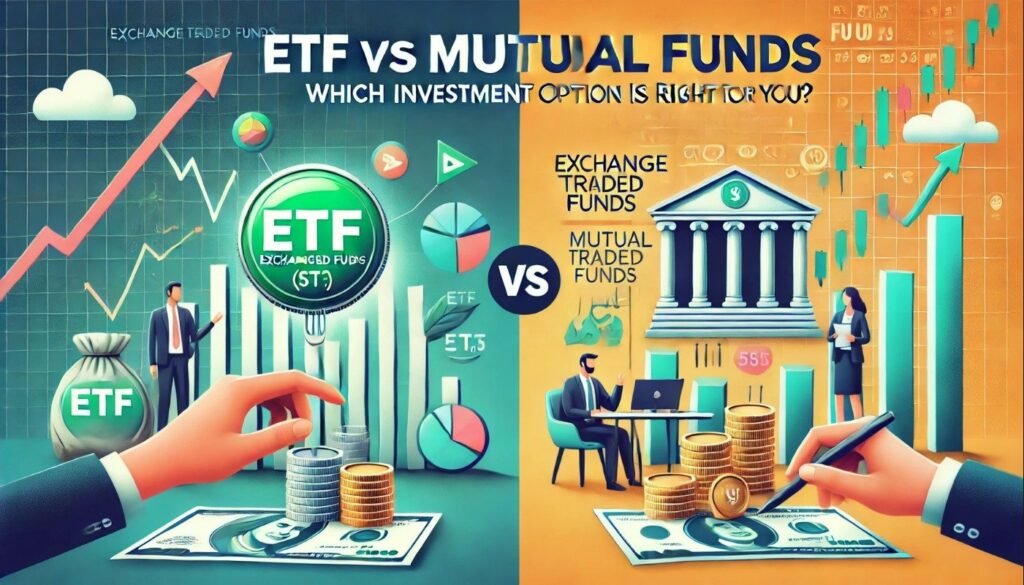
ETF vs Mutual Funds: Which Investment Option is Right for You?

In the world of investing, two popular options that often come up in discussions are Exchange-Traded Funds (ETFs) and Mutual Funds. While both can provide a diversified portfolio, they operate quite differently and offer unique advantages and disadvantages. If you’re an investor looking to choose between these two, this guide will help you understand the key differences, the benefits of each, and how to determine which one aligns best with your financial goals. What is an ETF? An Exchange-Traded Fund (ETF) is a type of investment fund that holds a collection of assets, such as stocks, bonds, commodities, or a mix of these. Unlike mutual funds, which are bought or sold only at the end of the trading day, ETFs are traded on stock exchanges just like individual stocks. This means that you can buy or sell ETFs throughout the trading day at market prices that can fluctuate during market hours. Key Features of ETFs What is a Mutual Fund? A Mutual Fund is a pool of funds collected from various investors to invest in a diversified portfolio of stocks, bonds, or other securities. Mutual funds are managed by professional fund managers who make investment decisions on behalf of the fund’s investors. Mutual funds are bought or sold at the net asset value (NAV) price, which is determined at the end of each trading day. Key Features of Mutual Funds ETF vs Mutual Funds: Key Differences Features ETF’s Mutual Funds Trading Traded on stock exchanges Purchased or redeemed at NAV at end of the day Fees Lower expense ratios Higher fees, especially for actively managed funds Liquidity High, traded throughout the day Lower, only bought/sold at end of day Management Typically passively managed (though active ETFs exist) Actively or passively managed Investment Strategy Passively tracks an index or sector Active management or index tracking Investment Minimum No minimum, buy in shares Minimum investment varies, typically higher Transparency Daily disclosure of holdings Monthly or quarterly disclosures Dividends Paid periodically, reinvestment options available Typically paid out or reinvested automatically Pros and Cons of Mutual Funds Pros of Mutual Funds: Cons of Mutual Funds: Which is Better: ETF or Mutual Fund? Choosing between an ETF and a mutual fund depends on your investment goals, time horizon, and preferences. Conclusion Both ETFs and Mutual Funds offer excellent options for diversifying your portfolio and achieving long-term investment goals. While ETFs are cost-effective, flexible, and tax-efficient, Mutual Funds provide professional management and automatic investment options. Understanding the strengths and weaknesses of each will help you make an informed decision based on your individual needs. Whether you are a seasoned investor or just starting, both options can be valuable tools for growing your wealth over time. So, which will you choose: ETFs or Mutual Funds? The right choice comes down to your investment strategy, risk tolerance, and personal preferences. Either way, investing in either of these options can set you on the path to financial success.

Scroll to Top
Get Free Demo Class in Live Market Trading
Be an Expert
Stock Trader

Just in One Month

16+

Years of Experience

30,000

Students Trained


Call Now