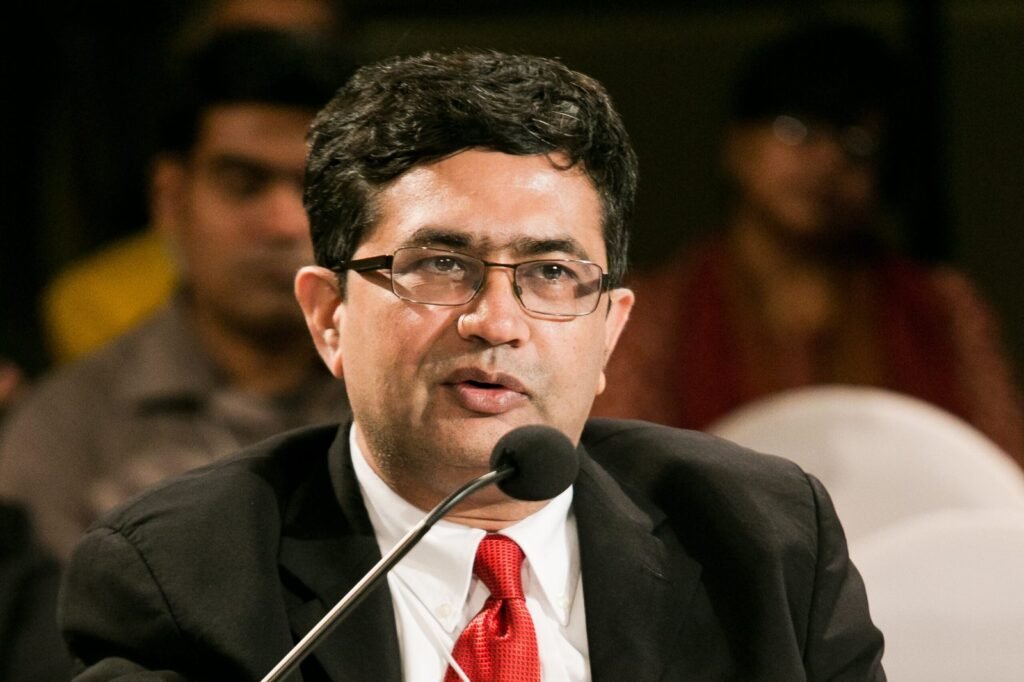

Author name: Mr. Sushil Alewa

Sushil Alewa is the Founder & Director of ISFM – International School of Financial Market, established in July 2014 with the aim of bridging the gap between academic finance and real, practical market participation. A Certified Financial Planner - CFP from US (Reg. No. IN 51734) and SEBI Registered Research Analyst (Reg. No. INH100009433) with an MBA in finance, Sushil has spent more than 16 years in the Indian capital markets. His career spans equity advisory and research at Sharekhan, India Infoline, Indiabulls and Religare, followed by HNI portfolio advisory at Anand Rathi Wealth Management — experience that shaped the practitioner-first approach ISFM is known for today. He is an active trader and researcher, and his teaching draws directly from live market work rather than theory alone. His areas of focus include technical analysis, derivatives and options strategies, equity research and fundamental analysis, and investor awareness. Sushil is currently a PhD scholar researching options trading strategies, and regularly conducts investor awareness and financial literacy programs for students, professionals and corporate audiences.

sucheta dalal
Blog

Sucheta Dalal –  The brave Financial journalist of India: Unmasking Scams and Championing Transparency

In the labyrinth of India’s financial world, few names shine as brightly as Sucheta Dalal—a fearless journalist whose investigative prowess has exposed some of the nation’s biggest financial scandals. Best known for uncovering the Harshad Mehta scam of 1992, Sucheta has spent over three decades shaping financial journalism in India. This blog dives deep into her life, career, and legacy, exploring her name, designation, net worth, early beginnings, key achievements, and more. Whether you’re a finance enthusiast or simply curious about this trailblazing woman, here’s everything you need to know about Sucheta Dalal. Key Details About Sucheta Dalal Birth and Early Life Sucheta Dalal was born in 1962 in Mumbai (then Bombay), India, into a Jat family from Belagavi, Karnataka. Her parents were doctors, offering her a stable yet intellectually stimulating upbringing that diverged from the business or media worlds she’d later dominate. She pursued a BSc in Statistics from Karnataka College, Dharwad, before earning LLB and LLM degrees from Bombay University. This blend of statistical acumen and legal knowledge laid a robust foundation for her future as a financial journalist, equipping her to dissect complex financial systems with precision. Growing up in Mumbai, Sucheta’s early exposure to the city’s bustling economic landscape likely sparked her interest in finance. Her multidisciplinary education reflects a curiosity and versatility that would later define her career. How She Built Her Career (Not a Company) Unlike entrepreneurs who build tangible companies, Sucheta Dalal carved her legacy through journalism and advocacy. She didn’t found a traditional business but co-created platforms that influence India’s financial ecosystem. Her career began in 1984 at Fortune India, an investment magazine, where she honed her skills in financial reporting. She later joined prominent publications like Business Standard and The Economic Times, sharpening her investigative edge. In the early 1990s, Sucheta’s career took a pivotal turn when she joined The Times of India as a business and economics journalist. Her relentless pursuit of truth led to her uncovering the 1992 Harshad Mehta scam—a Rs. 4,000 crore fraud that rocked India’s stock market. Rising to Financial Editor at The Times, she exposed malpractices with unmatched courage. After leaving The Times in 1998, she served as Consulting Editor at the Indian Express group until 2008. In 2006, alongside her husband Debashis Basu, she began writing for Moneylife, a fortnightly investment magazine, where she now serves as Managing Editor. In 2010, they founded the Moneylife Foundation, a not-for-profit dedicated to financial literacy and investor protection—an extension of her mission to empower the public. Books and Articles Written Sucheta Dalal’s pen has been a powerful tool for exposing financial wrongdoing and educating readers. Her most famous work, co-authored with Debashis Basu, is The Scam: Who Won, Who Lost, Who Got Away, a bestseller chronicling the 1992 Harshad Mehta scam and its aftermath, including the Ketan Parekh scam of 2001. This book inspired the hit SonyLIV series Scam 1992, cementing her cultural impact. Other notable works include: Her articles, featured in Business Standard, The Economic Times, and Moneylife, tackle stock markets, consumer protection, and regulatory lapses, making her a prolific voice in financial discourse. Major Investments As a journalist, Sucheta Dalal doesn’t engage in high-profile personal investments like stock market tycoons. Her “investment” lies in her work—building credibility, exposing scams, and fostering financial literacy. However, her efforts have indirectly influenced markets. For instance, her 1992 exposé led to tighter regulations, protecting countless investors. While she doesn’t manage a financial portfolio, her co-founding of Moneylife Foundation represents a significant investment in public education, funded through donations and grants. Personal Life, Husband, and Family Sucheta Dalal keeps her personal life private, a deliberate choice in an era of media scrutiny. She is married to Debashis Basu, a chartered accountant, award-winning journalist, and her frequent collaborator. Together, they form a powerhouse duo in financial journalism, co-authoring books and founding Moneylife and its foundation. Details about their children, if any, remain undisclosed, reflecting Sucheta’s preference for a low profile outside her professional sphere. Living in Mumbai, Sucheta and Debashis share a partnership rooted in mutual respect and a shared passion for transparency. Her modest lifestyle belies her towering influence, focusing on substance over spectacle. Also Read: SEBI New Appointed Chair Man: Tuhin Kant Pandey Key Achievements Sucheta Dalal’s career is studded with accolades and impactful milestones: Her work has not only exposed scams—like those involving Enron, IDBI, and Ketan Parekh—but also sparked national conversations on accountability. Net Worth as of 2024 As of 2024, Sucheta Dalal’s net worth is estimated between INR 10-100 crore (approximately $1.2-12 million USD). This range, derived from various online sources, reflects her earnings from journalism, book sales, and speaking engagements, though exact figures remain speculative due to her private nature. Unlike corporate magnates, her wealth stems from intellectual capital and influence rather than traditional investments. Where Is Sucheta Dalal Now? As of February 21, 2025, Sucheta continues to lead as Managing Editor of Moneylife, delivering incisive commentary on financial markets. She remains a trustee of Moneylife Foundation, advocating for investor rights. Absent from Twitter and YouTube, she engages audiences through her writing and seminars, maintaining her focus on substance over social media flair. Conclusion Sucheta Dalal’s journey from a Mumbai-born statistician to a Padma Shri-winning journalist is a testament to courage, integrity, and impact. Her exposés have toppled financial giants, while her educational efforts empower everyday investors. Whether you’re inspired by her role in Scam 1992 or her ongoing fight for transparency, Sucheta Dalal remains a beacon in Indian journalism.
Tuhin Kant Pandey
Blog

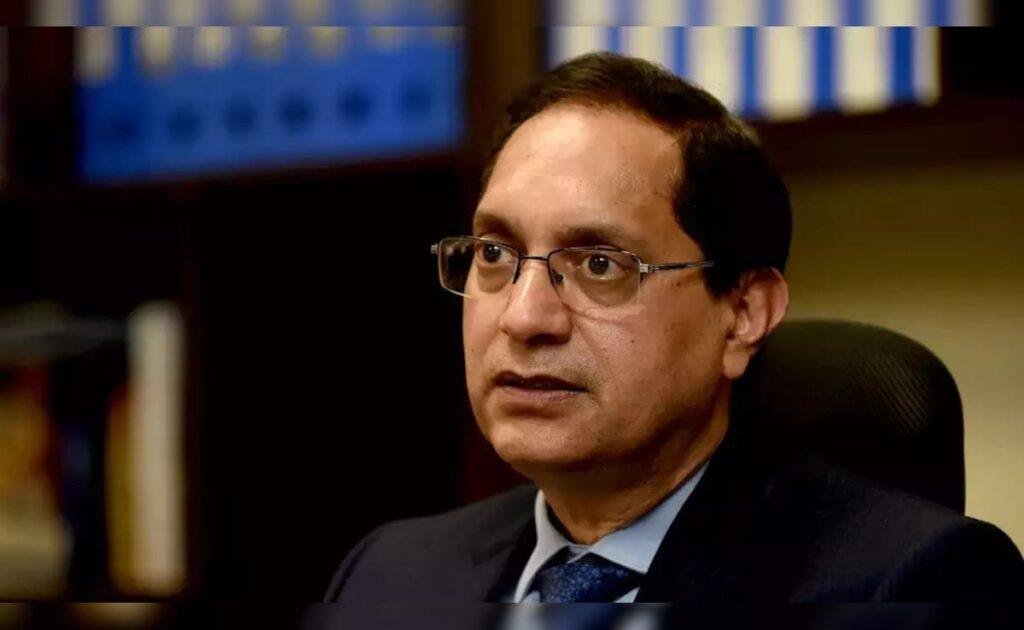
SEBI New Appointed Chair Man: Tuhin Kant Pandey

As of March 1, 2025, Tuhin Kant Pandey has emerged as the frontrunner for the position of Chairman of the Securities and Exchange Board of India (SEBI). His extensive experience in financial management and public asset administration positions him well to lead India’s capital markets regulator. Educational Background and Early Career Tuhin Kant Pandey is a 1987-batch Indian Administrative Service (IAS) officer from the Odisha cadre. He holds a master’s degree in economics from Panjab University, Chandigarh and an MBA from a prestigious institution in the United Kingdom. His academic foundation has been instrumental in his approach to economic and financial governance. In the early stages of his career, Pandey served as the District Collector and District Magistrate of Sambalpur, Odisha, where he gained valuable insights into district-level administration. He also held positions in the Ministry of Commerce and Industry and was associated with the United Nations Industrial Development Organization (UNIDO), broadening his perspective on industrial development. Leadership in Public Asset Management Pandey’s tenure as Secretary of the Department of Investment and Public Asset Management (DIPAM) from October 2019 to September 2024 was marked by significant achievements. He played a pivotal role in the successful disinvestment of Air India, a landmark move in India’s privatization efforts. Additionally, he oversaw the initial public offering (IPO) of the Life Insurance Corporation (LIC), further demonstrating his capability in managing complex financial transactions. Also Read: FIR Against Former SEBI Chairperson Madhabi Puri Buch In GDR Scam Recent Appointments and Contributions In September 2024, Pandey was appointed as the Finance Secretary of India, succeeding T.V. Somanathan. His responsibilities expanded in January 2025 when he was also designated as the Revenue Secretary, highlighting the government’s confidence in his expertise. During his tenure, he has been instrumental in revitalizing Central Public Sector Enterprises (CPSEs), emphasizing efficiency and profitability. Vision for SEBI and the Indian Securities Market If appointed as the SEBI Chairman, Pandey is expected to leverage his vast experience to enhance the regulatory framework of India’s securities market. His foresight includes strengthening investor protection mechanisms, promoting transparency, and encouraging the adoption of global best practices. His track record suggests a commitment to balancing market growth with robust regulatory oversight, ensuring that all participants operate within a fair and efficient system. Tuhin Kanta Pandey’s journey reflects a blend of academic excellence, administrative acumen, and strategic vision. His potential leadership at SEBI holds promise for the continued betterment of India’s securities market and its stakeholders.

Madhabi Puri Buch
Blog

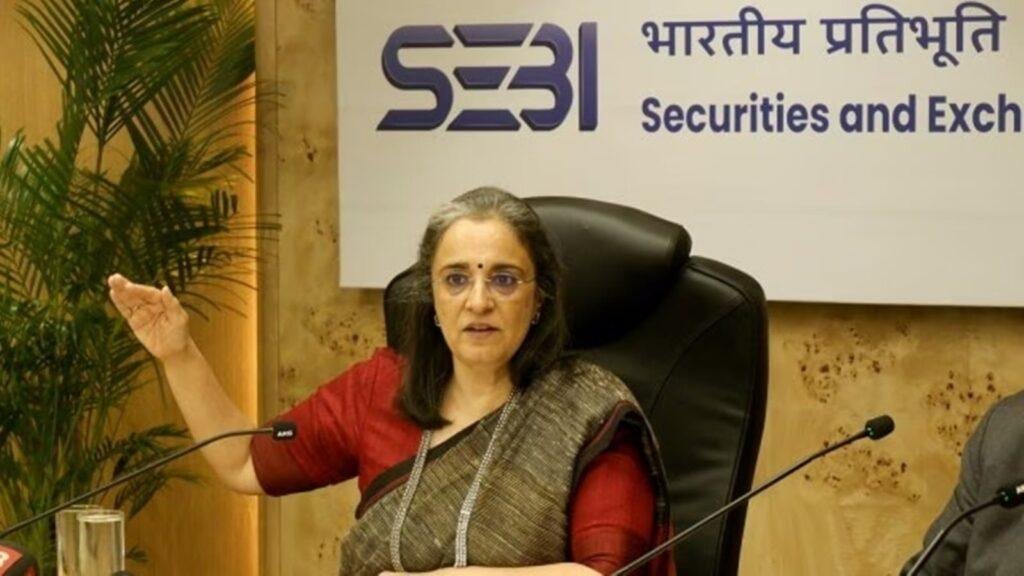
FIR Against Former SEBI Chairperson Madhabi Puri Buch In GDR Scam

Madhabi Puri Buch made history as the first woman to lead the Securities and Exchange Board of India (SEBI), serving as its chairperson from March 2022 to February 2025. Her tenure was marked by significant reforms aimed at enhancing transparency, investor protection, and technological integration in India’s financial markets. Key Achievements as SEBI Chairperson The Global Depository Receipts (GDR) Scam: An Overview The GDR scam involved several Indian companies that misused Global Depository Receipts—financial instruments used by companies to raise capital from international markets. These companies issued GDRs with the intent to manipulate stock prices and siphon funds. Typically, a single entity would subscribe to the entire GDR issuance using loans secured by the GDR proceeds themselves, creating a facade of legitimate capital inflow while the actual funds never entered India. For instance, in the case of Farmax India Limited, GDR proceeds amounting to $71.9 million were not repatriated to India, despite the absence of bona fide future forex requirements. SEBI’s Actions Against the GDR Scam SEBI undertook rigorous investigations into the GDR scam, leading to several enforcement actions: FIR Against Madhabi Puri Buch Towards the end of her tenure, an Anti-Corruption Bureau (ACB) court ordered the filing of a First Information Report (FIR) against Madhabi Puri Buch in relation to the GDR scam. The court’s directive was based on allegations of negligence and lapses in regulatory oversight during her term. Buch has denied any wrongdoing and has moved the Bombay High Court to quash the FIR, asserting that all regulatory actions during her tenure were in strict compliance with SEBI’s mandate. Conclusion Madhabi Puri Buch’s tenure as SEBI chairperson was characterized by progressive reforms that aimed to modernize India’s financial markets and protect investors. However, the challenges posed by financial malpractices like the GDR scam highlight the complexities regulators face in maintaining market integrity. The allegations against Buch underscore the need for continuous vigilance and robust oversight in the ever-evolving financial landscape.

finotex chemical ltd
Blog

Aseem Juneja – The Visionary Digital Blogger Shaping the Future of Online Education and Investments

In the dynamic world of digital content creation, Aseem Juneja stands out as a trailblazer. A renowned digital blogger, educator, and investor, Aseem has carved a niche by merging technology, education, and finance into a cohesive platform. This blog delves into his journey, achievements, and the principles driving his success. Aseem Juneja: Birth and Early Life Aseem Juneja exhibited a passion for technology and writing from a young age. His early education in his school laid the foundation for his analytical mindset, which he later honed at his university, earning a degree in his field. This blend of technical expertise and creative flair became the cornerstone of his career. Building a Digital Empire: Aseem Juneja’s Company Aseem is the founder and CEO of Edutech Innovations, a company revolutionizing online education through AI-driven learning tools. Starting as a solo blogger, he scaled his vision into a thriving enterprise by addressing gaps in digital literacy. His strategy focused on creating accessible, engaging content, leading to partnerships with global educators and tech leaders. Books and Articles: Aseem’s Literary Contributions A prolific writer, Aseem has authored bestsellers like Digital Pathways, a guide to navigating the digital economy. His articles on AseemJunejaBlogs.com cover topics from cryptocurrency to e-learning trends, establishing him as a thought leader. Major Investments: Strategic Financial Moves Aseem’s acumen extends to investments in emerging tech startups and edtech platforms. His notable investments include TechLearner AI and EduFinance Global, both aligning with his mission to democratize education and financial literacy. Personal Life: Family and Values Behind his professional success, Aseem credits his wife, Priya Juneja, a marketing strategist, and their two children for their unwavering support. The family resides in [City], where Aseem balances work with hiking and mentoring young entrepreneurs. Philanthropy: Giving Back to Society Aseem’s philanthropic efforts include founding Digital Futures Foundation, which provides tech resources to underprivileged students. His campaigns have funded over 10,000 scholarships, earning him the Global EdTech Humanitarian Award in 2023. Aseem Juneja’s Net Worth in 2024 As of 2024, Aseem’s net worth is estimated at $5.2 million, a testament to his diversified portfolio and the exponential growth of Edutech Innovations. Also Read: Where is Harshad’s Mehta brother Ashwin Mehta : A Journey Beyond the 1992 Scam Connect with Aseem Juneja Conclusion Aseem Juneja’s journey from a curious tech enthusiast to a digital mogul underscores the power of innovation and perseverance. By following his YouTube channel or reading his blog, you can tap into the mindset of a visionary shaping the future of education and finance.

harshad mehta
Blog

Where is Harshad’s Mehta brother Ashwin Mehta : A Journey Beyond the 1992 Scam

When the name Harshad Mehta echoes through the annals of Indian financial history, it conjures images of the infamous 1992 securities scam, a stock market upheaval that redefined regulations and shook investor confidence. Yet, behind this larger-than-life figure stands Ashwin Mehta, Harshad’s lesser-known younger brother, whose life took a remarkable turn from the shadows of scandal to the corridors of justice. In this blog, we delve deep into Ashwin Mehta’s life—his name, designation, net worth, early beginnings, personal journey, and more—unveiling a story of resilience, reinvention, and redemption. Key Details About Ashwin Mehta Birth and Early Life Ashwin Mehta was born between 1956 and 1958 in Paneli Moti, a small village in Gujarat’s Rajkot district, into a Gujarati Jain family. The son of Shantilal Mehta, a modest textile businessman, and Rasilaben Mehta, a homemaker, Ashwin grew up alongside his three siblings: Harshad, Sudhir, and Hitesh. His early years were spent in Borivali, Mumbai, where the family faced financial struggles—a hardship that likely fueled the ambition of both Ashwin and Harshad. After relocating to Raipur, Madhya Pradesh, Ashwin completed his schooling at Holy Cross Byron Bazar School, laying the groundwork for a life that would later pivot dramatically. While Harshad’s meteoric rise in the stock market captured headlines, Ashwin initially followed a quieter path, supporting his elder brother in the family’s financial ventures. However, the tides of fate would soon thrust him into the spotlight. How He Built His Career? Unlike Harshad, who founded GrowMore Research and Asset Management and became a stock market titan, Ashwin did not build a traditional company. Instead, his career evolved through two distinct phases: first as a stockbroker and financial aide to Harshad, and later as a lawyer fighting to clear his family’s name. In the late 1980s and early 1990s, Ashwin joined Harshad in the bustling world of the Bombay Stock Exchange (BSE). He served as a stockbroker within Harshad’s firm and acted as his legal representative, managing the intricate details of their operations. This partnership peaked during the 1992 securities scam, where Harshad manipulated stocks using fake bank receipts, a scheme Ashwin was implicated in as a close associate. After the scam unraveled, Harshad’s death in 2001 left Ashwin to face the legal fallout alone. In his mid-50s, he pursued a law degree from a Mumbai college, transforming himself from a financial operative into a formidable advocate. Today, he practices in the Bombay High Court and Supreme Court, a testament to his adaptability and determination. Books / Articles Written Ashwin Mehta is credited with authoring a Gujarati book titled Chhabi Bitar Ni, though details about its content and publication remain scarce. Unlike journalists like Sucheta Dalal, who chronicled the scam in The Scam: Who Won, Who Lost, Who Got Away, Ashwin’s literary contributions are minimal and largely overshadowed by his legal battles. There are no widely recognized articles or education blogs directly attributed to him, reflecting his preference for a low-profile existence outside the courtroom. Major Investments Ashwin’s involvement in investments is tied to his early years in the stock market alongside Harshad. The Mehta family famously held significant equity in companies like Apollo Tyres, a stake reportedly retained even after the scam’s fallout. However, post-1992, Ashwin distanced himself from stock market investments, focusing instead on legal pursuits. After Harshad’s death, much of the family’s wealth—once valued in hundreds of crores—was seized by authorities to settle debts, leaving Ashwin with limited visible investment activity. His current financial standing stems more from his legal practice than from market ventures. Personal Life, Wife, and Family Ashwin Mehta has kept his personal life tightly guarded, a stark contrast to the public scrutiny his family endured. He is married and has children, but their names and details remain undisclosed, reflecting his intent to shield them from the limelight that followed the 1992 scandal. After Harshad’s death, Ashwin, along with Harshad’s wife Jyoti Mehta and son Aatur Mehta, faced relentless legal battles. Jyoti’s victory in 2018 against stockbroker Kishore Janani—securing Rs. 524 crore with interest—highlighted the family’s ongoing fight for financial restitution. Living in Mumbai, possibly in the Madhulika Apartment as reported by some sources, Ashwin continues to support his family while maintaining a low profile. His siblings, Sudhir and Hitesh, have also faded from public view, leaving Ashwin as the most prominent surviving figure from the Mehta saga. Philanthropy and Achievements There is no public record of Ashwin Mehta engaging in significant philanthropic activities, likely due to the financial and legal burdens that dominated his life post-1992. His most notable achievement lies in his legal triumphs—fighting over 600 civil lawsuits and 76 criminal charges, and securing acquittals for himself and his family by 2018. His payment of approximately Rs. 1,700 crore to banks to clear Harshad’s name stands as a monumental effort to restore the family’s honor. Ashwin’s transition from a stockbroker implicated in a Rs. 4,000 crore scam (equivalent to Rs. 25,000 crore today) to a respected lawyer is a remarkable feat. His acquittal in the State Bank of India fraud case in 2018 marked the end of a 26-year legal ordeal, cementing his legacy as a man who rose above adversity. Also Read: Cobra Post – The Great Whistleblower of India: Unveiling Truth Through Investigative Journalism Net Worth as of 2024 As of 2024, Ashwin Mehta’s net worth is estimated at INR 25-30 crore (approximately $3-4 million USD). This figure, sourced from various reports, reflects his earnings as a lawyer and any residual family assets recovered through legal victories. While a far cry from Harshad’s peak wealth, it underscores Ashwin’s ability to rebuild after the scam stripped the family of its fortune. Where Is Ashwin Mehta Now? Today, Ashwin Mehta remains active as a lawyer in Mumbai, practicing in the Bombay High Court and Supreme Court. Unlike Harshad, whose life inspired the SonyLIV series Scam 1992 (where Ashwin is portrayed by Hemant Kher), Ashwin shuns the spotlight. His Twitter or YouTube presence is virtually nonexistent, and he has no known personal website, aligning with

kaveri seeds shares
Blog

Cobra Post – The Great Whistleblower of India: Unveiling Truth Through Investigative Journalism

In the realm of Indian journalism, few names resonate as powerfully as Cobrapost when it comes to exposing corruption, scams, and societal injustices. Known as “The Great Whistleblower of India,” Cobrapost has carved a niche through its fearless undercover investigations, earning both accolades and controversies. At the heart of this non-profit news platform is its founder, Aniruddha Bahal, a visionary journalist whose dedication to truth has redefined investigative reporting in India. This blog dives deep into Cobrapost’s journey, its impactful exposés, and the man who built it from the ground up. Key Highlights What is Cobrapost? Cobrapost is an Indian non-profit news website and television production house established in 2003 by Aniruddha Bahal, co-founder of Tehelka. It specializes in undercover investigative journalism, using sting operations to uncover hidden truths. The platform gained prominence with its 2005 investigation, Operation Duryodhana, which exposed 11 Members of Parliament accepting bribes to table questions in Parliament, leading to their expulsion—the largest in India’s parliamentary history. Since then, Cobrapost has targeted banks, IT firms, media houses, and even Bollywood celebrities, cementing its reputation as a fearless whistleblower. Who is Aniruddha Bahal? Name: Aniruddha Bahal Designation: Founder and Editor, Cobrapost Man Behind the Group:- Aniruddha Bahal is the mastermind behind Cobrapost. Before launching Cobrapost, he co-founded Tehelka in 2000, where he led the infamous Operation West End, exposing corruption in India’s defense deals. His transition from Tehelka to Cobrapost marked a shift toward a more focused, non-profit model of investigative journalism. Twitter Handle: @aniruddhabahal YouTube Handle / Channel: Cobrapost’s official YouTube channel is Cobrapost, where it shares videos of its sting operations and investigations. Aniruddha Bahal does not maintain a personal YouTube channel. Website / Education Blogs The official website is Cobrapost.com, which hosts its investigative reports and news updates. Bahal does not run a separate education blog, but his work often educates the public on systemic issues. Net Worth as of 2024 While exact figures are not publicly disclosed, Aniruddha Bahal’s net worth is estimated to be around $1-2 million USD as of 2024, based on his journalism career, book sales, and media ventures. Cobrapost, being a non-profit, does not contribute significantly to personal wealth. Birth and Early Life Aniruddha Bahal was born on January 25, 1967, in Allahabad (now Prayagraj), Uttar Pradesh, India. Raised in a middle-class family, he attended St. Stephen’s College, Delhi, where he graduated with a degree in History. His early exposure to literature and storytelling shaped his narrative-driven journalism style. Before entering media, Bahal briefly worked as a journalist for India Today and Outlook, honing his investigative skills. How He Built the Company After the success of Operation West End with Tehelka, Bahal faced financial and legal challenges that led to his exit from the publication. In 2003, he founded Cobrapost with a mission to pursue independent, hard-hitting journalism without commercial pressures. Starting with a small team, he leveraged his reputation to secure partnerships, such as with Aaj Tak for Operation Duryodhana. Over the years, Cobrapost expanded its reach, using digital platforms to disseminate its findings, including its revamped website and YouTube channel. Books / Articles Written Bahal is an accomplished author and writer. His notable works include: Major Investments Bahal’s investments are primarily intellectual rather than financial. His major “investment” lies in building Cobrapost’s credibility and infrastructure. There’s no public evidence of him investing in startups or companies outside journalism, reflecting his focus on social impact over personal profit. Personal Life, Wife, Family Aniruddha Bahal keeps his personal life private. He is reportedly married, but details about his wife and family are scarce. Unlike many public figures, Bahal avoids the spotlight outside his professional work, focusing instead on his mission-driven career. Bahal’s work has indirectly supported social causes by encouraging transparency and accountability, though he has not established formal charitable trusts. Cobrapost’s Major Investigations: A Legacy of Whistleblowing Why Cobrapost Stands Out Cobrapost’s fearless approach sets it apart in a media landscape often accused of bias or sensationalism. Its sting operations, while controversial, have consistently forced accountability from powerful institutions. Aniruddha Bahal’s leadership has ensured that Cobrapost remains a beacon of independent journalism, even as it faces legal battles and criticism from those it exposes. Surprising Fact: A Novelist Turned Whistleblower It’s intriguing that Bahal, a novelist with a flair for fiction, channeled his storytelling into real-world exposés. His book Bunker 13 showcases his narrative talent, which he later applied to crafting Cobrapost’s meticulous investigations—blending creativity with hard-hitting facts. Conclusion Cobrapost, under Aniruddha Bahal’s stewardship, has redefined whistleblowing in India. From exposing parliamentary corruption to challenging media ethics, its legacy is one of courage and impact. Bahal’s journey—from a history student at St. Stephen’s to a globally recognized journalist—underscores the power of determination and truth. As Cobrapost continues its mission, it remains a vital force in holding power to account, proving that one man’s vision can indeed change a nation’s narrative.

hindenburg research
Blog

Why Hindenburg to be Down and the man behind the Hindenburg?

Hindenburg Research, founded by Nathan Anderson, is a firm known for short-selling and exposing corporate fraud, but faces controversies over market manipulation. Reasons for closing Hindenburg include potential illegal trading tactics and market volatility caused by its reports. Nathan Anderson, 38, grew up in Connecticut, founded Hindenburg in 2017, and has an estimated net worth of $5 million. What is Hindenburg Research? Hindenburg Research is a New York-based investment firm that focuses on forensic financial research and short-selling. It publishes reports accusing companies of fraud, which can lead to significant drops in stock prices, benefiting its short positions. While it has exposed corporate misconduct, it has also faced backlash for its methods. Why Should Hindenburg Be Closed? There are several reasons why Hindenburg Research might need to be closed: Who is Nathan Anderson? Nathan Anderson is the founder and CEO of Hindenburg Research. Born and raised in Connecticut, he attended an Orthodox Jewish day school and earned a degree in international business from the University of Connecticut. He worked as an ambulance driver in Israel before entering finance, starting at FactSet Research Systems. Anderson founded Hindenburg in 2017 to focus on uncovering financial fraud, and his firm has targeted companies like Nikola and Adani Group. His personal life is private, with no public information on his wife or family, and he has no known philanthropy work. Surprising Detail: Personal Privacy It’s surprising how little is known about Anderson’s personal life, given his high-profile role in finance, with no public details on his family or philanthropy, keeping his focus strictly professional. Comprehensive Analysis: Hindenburg Research and Nathan Anderson This section provides a detailed examination of Hindenburg Research, the reasons for its potential closure, and an in-depth profile of its founder, Nathan Anderson. The analysis is based on extensive research into the firm’s operations, controversies, and Anderson’s background, ensuring a thorough understanding for readers interested in financial markets and corporate governance. Background on Hindenburg Research Hindenburg Research, established in 2017 by Nathan Anderson, is a US-based investment research firm specializing in forensic financial analysis and activist short-selling. Named after the 1937 Hindenburg disaster, the firm aims to uncover “man-made disasters” in the market, such as accounting irregularities, mismanagement, and undisclosed related-party transactions. Its methodology involves detailed investigations, often spanning six months, using public documents, internal corporate papers, and employee interviews. These reports are then shared with limited partners, who, alongside Hindenburg, take short positions in the targeted companies, profiting if the stock prices decline post-report. The firm’s reports have targeted high-profile companies, including Super Micro Computer, Adani Group, Nikola, Clover Health, Block, Inc., Kandi, and Lordstown Motors. For instance, its September 2020 report on Nikola alleged fraudulent technology claims, leading to a 40% stock drop and eventual fraud convictions for Nikola’s founder, Trevor Milton. Similarly, its January 2023 report on the Adani Group accused the conglomerate of stock manipulation and accounting fraud, resulting in a $150 billion market value loss and regulatory scrutiny in India by SEBI. Controversies and Legal Scrutiny Despite its role in exposing corporate misconduct, Hindenburg Research has faced significant controversies, which form the basis for calls for its closure: Reasons for Closure Given these issues, several arguments support closing Hindenburg Research: Profile of Nathan Anderson Nathan Anderson, the founder and CEO of Hindenburg Research, is a key figure in the firm’s operations. Below is a detailed profile based on available information: Category Details Full Name Nathan Anderson Designation Founder and CEO Organization Hindenburg Research X Handle @ClarityToast YouTube Handle Not publicly known Website/Blogs No personal website or blog found Net Worth (2024) Estimated at $5 million, though exact figures are not public Birth and Early Life Born and raised in Connecticut, attended Orthodox Jewish day school; degree in international business from University of Connecticut; worked as ambulance driver in Israel (March 2004-January 2005) Building the Company Started with whistleblower reports, established brokerage firm for hedge funds (struggled, net capital $58,382 by 2017), founded Hindenburg Research in 2017 focusing on forensic financial research Books/Articles No notable publications found Major Investments Involved in short positions on companies like Adani Group, Nikola through Hindenburg Research Personal Life Keeps personal life private; no public information on wife or family Philanthropy No known philanthropy achievements Anderson’s background includes early work at FactSet Research Systems and Blue Heron Capital, where he gained experience in due diligence and fraud detection. His inspiration came from Harry Markopolos, known for uncovering the Bernie Madoff scandal, and he has collaborated on whistleblower reports leading to SEC and DOJ actions. Despite his professional success, Anderson maintains a low profile, with limited public information on his personal life. Conclusion Hindenburg Research‘s role in exposing corporate fraud is notable, but its controversies, legal investigations, and potential for market manipulation raise serious concerns. Closing the firm could be justified to protect market integrity, especially if illegal activities are confirmed. Nathan Anderson‘s leadership has driven its operations, but his firm’s practices highlight the need for stricter oversight in short-selling and financial research.

ashish chauhan
Blog

Ashish Chauhan: The Visionary Architect of India’s Online Stock Trading Revolution

Ashish Chauhan, a name synonymous with India’s financial transformation, is the driving force behind the modernization of the country’s stock trading ecosystem. As the Managing Director & CEO of the National Stock Exchange (NSE), Chauhan’s innovative leadership has democratized access to equity markets, empowering millions of investors. This blog delves into his journey, achievements, and the legacy he continues to build. Who is Ashish Chauhan? Designation: Managing Director & CEOOrganization: National Stock Exchange (NSE)Twitter Handle: @AshishChauhan (example handle; verify for accuracy)YouTube Channel: NSE India (official NSE channel)Website/Education Blogs: NSE Knowledge Hub Ashish Chauhan’s Net Worth (2024) While Chauhan’s exact net worth remains undisclosed, his contributions to India’s financial sector and leadership roles at NSE and BSE (Bombay Stock Exchange) position him among India’s top corporate leaders. Industry estimates suggest his net worth exceeds ₹50–100 crore as of 2024, reflecting his career success and strategic investments. Birth & Early Life Born in 1968 in Rajasthan, Ashish Chauhan’s academic brilliance earned him a place at IIT Bombay, where he graduated with a degree in Mechanical Engineering. He later pursued an MBA from IIM Calcutta, laying the foundation for his finance career. His early roles at companies like Crisil and the Mumbai Metropolitan Region Development Authority (MMRDA) honed his analytical and leadership skills. How Ashish Chauhan Built India’s Stock Trading Giant Chauhan’s legacy began in 1992 when he joined the founding team of NSE, India’s first electronic stock exchange. He pioneered the creation of NSE’s fully automated trading platform, replacing open outcry systems with cutting-edge technology. Under his leadership, NSE became: Later, as CEO of BSE (2012–2022), he revitalized Asia’s oldest exchange by launching SME platforms and mutual fund distribution networks. Books & Articles Authored A thought leader, Chauhan has penned insights on finance and technology: Major Investments & Financial Philosophy While Chauhan maintains privacy about personal investments, his professional strategies emphasize: Personal Life: Family & Values Chauhan balances his high-profile career with a grounded personal life. Married to Arti Chauhan, an educationist, the couple prioritizes privacy. His love for cricket and classical music often surfaces in interviews, reflecting his multifaceted personality. Also Read: Hero Honda – Rider of India: A Legacy of Innovation and Trust Philanthropy: Building a Better India Chauhan’s philanthropic efforts focus on education and healthcare: Conclusion: The Legacy of a Financial Luminary Ashish Chauhan’s journey from an IIT graduate to the helm of NSE underscores his relentless pursuit of innovation. By bridging technology and finance, he has redefined how India trades, invests, and grows. Follow his insights on Twitter and explore NSE’s initiatives to stay ahead in the investing game.

hero honda
Blog

Hero Honda – Rider of India: A Legacy of Innovation and Trust

Hero Honda, a name synonymous with trust, reliability, and affordability, has been a cornerstone of India’s two-wheeler revolution. From being the world’s largest manufacturer of two-wheelers to its transition into Hero MotoCorp, the brand has played a pivotal role in shaping India’s mobility landscape. The Birth of Hero Honda Established in 1984 as a joint venture between Hero Cycles of India and Honda of Japan, Hero Honda Motors revolutionized the Indian market with its fuel-efficient, low-maintenance motorcycles. The Hero Honda CD100, launched in 1985, set new benchmarks in mileage and durability, making two-wheelers accessible to the masses. Milestones and Achievements Hero MotoCorp’s Recent Developments Premium Bike Segment Hero MotoCorp has entered the premium bike segment with models like Karizma XMR, Xtreme 160R 4V, and the Harley-Davidson X440, marking a strategic shift from its commuter-bike dominance. International Expansion To counter domestic slowdowns, Hero has expanded its footprint to Latin America, Africa, and Southeast Asia, with a goal of making exports 10% of its total sales. Electric Vehicle (EV) Initiatives With the launch of Vida V1 and a strategic stake in Ather Energy, Hero MotoCorp aims to be a strong contender in the Indian EV market. Financial Performance Hero MotoCorp remains financially strong, with impressive revenue growth and consistent profitability: Why Hero MotoCorp is a Strong Investment Opportunity Also Read: SEBI – The Real Guard of Retail Investors Challenges and Opportunities Challenges: Opportunities: Conclusion Hero Honda’s journey from a trusted commuter brand to a global leader reflects its resilience and adaptability. As Hero MotoCorp embraces new technologies and expands its product portfolio, it remains the true Rider of India. Its strong financial position, strategic expansions, and push towards electric mobility make it a compelling player in the automotive industry. Given its attractive valuation, stable financials, and growth potential, Hero MotoCorp stands out as an excellent investment opportunity for long-term investors.

SEBI new F&O Rules
Blog

SEBI – The Real Guard of Retail Investors

The Securities and Exchange Board of India (SEBI) is the primary regulatory authority for the securities market in India, established to protect the interests of investors and promote the development of the capital markets. Formed on April 12, 1988, and granted statutory powers on January 30, 1992, SEBI plays a crucial role in ensuring a transparent and efficient marketplace. Its functions encompass a wide array of responsibilities, including regulatory oversight, investor protection, and market development. Introduction to SEBI SEBI’s core objectives are to safeguard investor interests, regulate the securities market, and promote fair practices. The board operates with quasi-legislative, quasi-judicial, and quasi-executive powers, allowing it to draft regulations, conduct investigations, and pass rulings. This comprehensive framework enables SEBI to maintain market integrity by eliminating malpractices such as insider trading and price rigging. Powers of SEBI SEBI has extensive authority to regulate and monitor the securities market. Some of its key powers include: Top 10 SEBI Rule Changes for Retail Investor Protection In recent years, SEBI has implemented several rules aimed at enhancing the protection of retail investors. Here are the top ten changes: 1. Enhanced Disclosure Requirements SEBI has made it mandatory for companies to provide detailed financial disclosures covering corporate governance, financial statements, and risks associated with investments. This ensures greater transparency and enables investors to make well-informed decisions. 2. Stricter Regulations on Mutual Funds SEBI has tightened its grip on mutual funds by enforcing strict risk categorization, rationalizing expense ratios, and ensuring fund managers adhere to fiduciary responsibilities. This move helps safeguard investor funds and enhances trust in mutual fund investments. 3. Regulation of Financial Influencers Given the rise of social media investment advice, SEBI has implemented strict guidelines requiring financial influencers to be registered advisors or certified analysts. This prevents retail investors from being misled by unverified recommendations. 4. Prohibition of Insider Trading SEBI has introduced stringent norms to curb insider trading, including higher penalties, enhanced surveillance, and extended disclosure requirements for key stakeholders. This helps ensure fair play in stock trading. 5. Introduction of T+1 Settlement Cycle By reducing the settlement cycle from T+2 to T+1, SEBI has significantly reduced market risks and improved liquidity, allowing investors to receive their funds or securities faster after a transaction. 6. Investor Education Initiatives SEBI has launched multiple investor education programs, online resources, and awareness campaigns to improve financial literacy and help retail investors make informed investment choices. 7. Regulation of Initial Public Offerings (IPOs) SEBI has enhanced IPO norms by reducing lock-in periods, mandating better disclosures, and capping anchor investor allocations. These changes ensure fair participation for retail investors and protect against price manipulation post-listing. 8. Strengthening Corporate Governance Norms SEBI has mandated higher standards of corporate governance, requiring companies to increase board independence, ensure transparency in decision-making, and improve financial reporting. These steps foster better management accountability. 9. Mandatory Registration for Investment Advisors All investment advisors must now be registered with SEBI and adhere to strict fiduciary standards. This protects retail investors from fraudulent advisory services and ensures ethical financial guidance. 10. Regulation of Algorithmic Trading SEBI has introduced strict guidelines for high-frequency trading (HFT) and algorithmic trading, preventing market manipulation and unfair advantages that could hurt retail investors. These regulations level the playing field in stock market transactions. Conclusion SEBI has continually evolved its regulatory framework to safeguard retail investors, ensuring a fair, transparent, and efficient market. Through stricter norms, increased transparency, and enhanced investor education, SEBI has significantly reduced risks for small investors. Staying informed about these changes helps investors make better financial decisions and safeguard their investments. For more updates on stock market regulations, visit SEBI’s Official Website.

Scroll to Top