
Author name: Mr. Sushil Alewa

Sushil Alewa is the Founder & Director of ISFM – International School of Financial Market, established in July 2014 with the aim of bridging the gap between academic finance and real, practical market participation. A Certified Financial Planner - CFP from US (Reg. No. IN 51734) and SEBI Registered Research Analyst (Reg. No. INH100009433) with an MBA in finance, Sushil has spent more than 16 years in the Indian capital markets. His career spans equity advisory and research at Sharekhan, India Infoline, Indiabulls and Religare, followed by HNI portfolio advisory at Anand Rathi Wealth Management — experience that shaped the practitioner-first approach ISFM is known for today. He is an active trader and researcher, and his teaching draws directly from live market work rather than theory alone. His areas of focus include technical analysis, derivatives and options strategies, equity research and fundamental analysis, and investor awareness. Sushil is currently a PhD scholar researching options trading strategies, and regularly conducts investor awareness and financial literacy programs for students, professionals and corporate audiences.

Can-Astrology-Predict-Stock-Market
Blog

Can Astrology Predict the Stock Market? Unveiling the Secrets of Financial Astrology

Investors typically rely on technical indicators and fundamental analysis to forecast market movements. But a lesser-known approach—financial astrology—suggests that planetary movements and cosmic cycles might also offer insights into stock market trends. While traditional economists dismiss it as pseudoscience, some traders believe celestial patterns affect human psychology and, by extension, financial markets. So, is there any truth to this cosmic connection? Let’s explore the possibilities. What is Financial Astrology? Also known as astro-economics, financial astrology studies planetary cycles, lunar phases, and astrological charts to interpret economic fluctuations and stock market predictions. Analysts in this field track: This theory suggests that cosmic rhythms mirror collective human behavior, which in turn drives market sentiment. For instance, Mercury in retrograde, associated with confusion and communication mishaps, is often linked with market volatility. Why Some Investors Believe in Astrology-Based Market Predictions 1. Historical Influence Ancient civilizations, including the Babylonians, tracked the stars to guide agriculture and commerce. In modern times, W.D. Gann, a famed trader, reportedly integrated astrology with geometric analysis to anticipate market moves. 2. Planetary Cycles & Economic Patterns Some investors draw parallels between planetary cycles and economic booms and busts: 3. Moon Phases and Market Sentiment Studies suggest lunar cycles affect human emotions. A full moon, for example, is believed to heighten emotions and impulsive behavior—possibly influencing volatile trades. 4. Solar Activity and Market Psychology Some research even explores how solar flares and geomagnetic storms might impact human cognition, potentially fueling herd behavior in markets. The Skeptics Speak: Why Financial Astrology Faces Doubts 1. No Scientific Backing Financial astrology lacks consistent, peer-reviewed research proving a cause-and-effect relationship with market movements. Critics argue that stock prices are shaped more by economic fundamentals, news, and investor psychology. 2. Confirmation Bias Astrology can be selectively interpreted. Believers may highlight market crashes that occurred during a Mercury retrograde—but ignore when nothing happened. 3. Efficient Market Hypothesis (EMH) According to the Efficient Market Hypothesis, all known information is already priced into the market. If astrology provided real insights, savvy traders would already exploit them—eliminating any predictive edge. 4. Vague Forecasts Many astrological predictions use ambiguous terms like “possible volatility,” which can apply to nearly any market condition. Also Read: Why More Working Professionals Are Learning the Stock Market in 2025: Key Trends, Pros & Cons, and Is It the Right Move? Case Studies: When the Cosmos (Seemingly) Got It Right How to Use Financial Astrology (With Caution) Curious to experiment? Here’s how you might explore astrology in investing without risking your portfolio: Conclusion: A Starry Strategy or Pure Speculation? Financial astrology is an intriguing blend of ancient wisdom and market mysticism. While it provides some interesting patterns and historical anecdotes, its effectiveness remains unproven. Still, it might offer psychological insights and help traders recognize recurring emotional or cyclical patterns in the market. Use it as a curiosity or soft guide—but never as a substitute for research, strategy, or risk management. Whether you’re guided by constellations or candlesticks, the golden rule remains: never invest more than you can afford to lose. Explore More on Stock Market Strategies:

why invest in stock market
Blog

Why More Working Professionals Are Learning the Stock Market in 2025: Key Trends, Pros & Cons, and Is It the Right Move?

The year 2025 marks a financial awakening—a growing number of working professionals, from IT specialists to corporate executives, are taking an active interest in learning the stock market. With uncertainties surrounding inflation, global tensions, and career volatility, individuals are exploring investing in equities, ETFs, and even algorithmic trading as a path to financial empowerment. But what’s fueling this dramatic shift? And more importantly—is this trend sustainable or a risky distraction? Top Reasons Why Working Professionals Are Turning to the Stock Market in 2025 1. Rising Inflation & Economic Uncertainty Amid unstable economic conditions, traditional savings tools like FDs and PPFs are struggling to beat inflation. As a result, more professionals are venturing into stock market investing to protect and grow their wealth. Pros Cons 2. Fintech Advancements & Easy Access Thanks to AI-driven tools, commission-free platforms, and robo-advisors, investing has become more accessible than ever. Whether through mobile apps or browser-based platforms, the barriers to entry are rapidly disappearing. Pros Cons 3. Remote Work and Flexible Schedules Hybrid and remote work setups have carved out extra hours that professionals now utilize for market research, virtual webinars, and backtesting strategies. Pros Cons 4. Corporate Push for Financial Literacy More companies are offering stock market education as part of professional development. This trend is especially visible in sectors like consulting, tech, and finance. Pros Cons 5. Social Media Influence & Investment FOMO Platforms like YouTube, Instagram, and Reddit are flooded with stock market success stories, creating a strong emotional pull among viewers to join the trend. Pros Cons Is Learning the Stock Market in 2025 the Right Decision? When It’s the Right Move When It’s the Wrong Move Verdict: Learning the stock market is a strategic advantage in 2025—if done with patience, research, and long-term goals in mind. Final Thoughts The surge in stock market learning among working professionals is not just a passing fad—it’s a reflection of India’s evolving financial mindset. Whether you’re planning a career shift, building a retirement corpus, or simply seeking secondary income, stock market education in 2025 is an asset worth investing in. Just remember, success in the markets doesn’t come from luck—it comes from knowledge, strategy, and emotional discipline. “The stock market is a device for transferring money from the impatient to the patient.” — Warren Buffett

How to Build a Career as a SEBI Registered Research Analyst
Blog

How to Become a SEBI Registered Research Analyst: A Complete Step-by-Step Career Guide

With the rapid growth of India’s securities market, the demand for SEBI Registered Research Analysts is at an all-time high. These professionals play a vital role in evaluating financial instruments, offering market insights, and helping investors make informed decisions. If you’re looking to build a career in this lucrative field, this detailed guide will walk you through everything—from getting certified to landing your first role. What is the NISM-Series-XV Research Analyst Certification? The NISM-Series-XV: Research Analyst Certification Examination is a mandatory qualification administered by the National Institute of Securities Markets (NISM). It certifies your knowledge in financial research, investment analysis, and regulatory compliance. As per SEBI (Research Analyst) Regulations, 2014, this certification is a prerequisite for professionals intending to register as Research Analysts in India. Why is NISM-Series-XV Certification Important? Obtaining the NISM Research Analyst certificate serves several crucial purposes: This certification validates your capability to conduct ethical, accurate, and in-depth market analysis—a key requirement for working in India’s regulated financial ecosystem. NISM-Series-XV Exam: Fees, Validity & Renewal Exam Structure & Format Here’s what you can expect in the NISM Research Analyst Exam: How to Register for the NISM-Series-XV Exam Best Study Material for NISM-Series-XV Exam To prepare effectively, refer to these resources: Tip: Practice mock tests regularly to improve time management and accuracy. Key Topics Covered in the Exam The NISM Research Analyst syllabus includes: Steps to Launch Your Career as a SEBI Research Analyst Once you clear the exam, follow these steps: Also Read: Understanding Rights Issues in the Stock Market: Meaning, Benefits & Profit Strategies Final Thoughts: Your Gateway to a Rewarding Financial Career Becoming a SEBI Registered Research Analyst not only enhances your career prospects but also positions you as a credible voice in India’s financial ecosystem. With the right certification, ethical approach, and dedication to continuous learning, you can establish a thriving career in equity research, investment advisory, or financial media. Take the first step today—pass the NISM-Series-XV exam and unlock a future filled with opportunity in India’s dynamic stock market!

Right issues in stock market
Blog

Understanding Rights Issues in the Stock Market: Meaning, Benefits & Profit Strategies

In the ever-evolving world of equity markets, rights issues are an important capital-raising tool that often flies under the radar of retail investors. Whether you’re new to investing or an experienced market participant, understanding how rights issues work can open doors to discounted shares and long-term profits. This guide will explain what a rights issue is, why it matters, and how smart investors can make the most of it. What Is a Rights Issue in the Stock Market? A rights issue is when a listed company offers existing shareholders the opportunity to buy additional shares at a price lower than the current market rate. This helps companies raise capital without increasing debt, while allowing shareholders to maintain their ownership percentage. Example:If Company A declares a 1:5 rights issue at a 20% discount, you get one new share for every five you hold. If the market price is ₹100, the issue price might be ₹80 — giving you a direct entry into discounted equity. Why Do Companies Announce Rights Issues? Rights issues play a vital role in both company strategy and investor opportunity. Here’s why they matter: Key Features of Rights Issues Understanding the components of a rights issue helps investors make better decisions: How to Make Money from Rights Issues Here are the top ways investors can benefit: While rights issues can be lucrative, they come with certain risks: Frequently Asked Questions (FAQs) Q1. What if I don’t participate in a rights issue?You risk ownership dilution, meaning your share in the company and future dividends could reduce. Q2. Are rights issues available to small investors?Yes. Any existing shareholder, no matter how many shares they own, is eligible. Q3. Do I need to pay tax on rights issue gains?The tax implications depend on how you utilize the rights and your jurisdiction. It’s best to consult a tax advisor. Conclusion A rights issue offers both opportunity and responsibility. It allows investors to buy shares at a discount, but only after evaluating the company’s reasons for raising capital. Used wisely, rights issues can boost your long-term returns, preserve ownership, and create arbitrage potential. Want more smart investment tips? Stay ahead of the curve.

Nikhil Kamath
Stock Market

Nikhil Kamath: Zerodha’s Co-Founder, Investment Mogul & Philanthropic Powerhouse

Nikhil Kamath, the dynamic co-founder of Zerodha and True Beacon, has redefined India’s financial ecosystem. From dropping out of school to building a multi-billion-dollar empire, Kamath’s story is a masterclass in grit, innovation, and strategic disruption. In this blog, we explore the milestones that shaped his career, his groundbreaking ventures, and his mission to drive social impact through philanthropy. Who is Nikhil Kamath? Early Life & Background Born in 1986 in Shimoga, Karnataka, Nikhil was raised in a modest middle-class household. Disenchanted with traditional academics, he quit school at age 15 to pursue stock trading. Together with his elder brother Nithin Kamath, he began a journey that would soon reshape India’s financial services landscape. Zerodha: Disrupting the Brokerage Industry Launched in 2010, Zerodha broke conventional barriers with its discount broking model, offering flat-fee trading and a tech-first approach. Nikhil’s vision helped catalyze a retail trading revolution by: As of 2024, Zerodha commands over 10 million users and processes 15% of India’s daily retail trades. Books, Writings & Thought Leadership Nikhil is also known for sharing sharp insights on finance and socio-economic topics. Key Investments & Business Portfolio Kamath’s portfolio reflects a future-oriented, impact-driven strategy: Personal Life & Interests Nikhil married Seema Patil in a low-key ceremony, keeping much of his private life away from the spotlight. A keen chess player and voracious reader, Kamath emphasizes discipline, focus, and continuous learning in both his personal and professional life. Notable Achievements Philanthropy: Giving Back with Purpose Beyond business, Kamath is focused on systemic change through philanthropy: Nikhil Kamath’s Net Worth in 2024 According to Forbes, Nikhil Kamath’s net worth reached $3.5 billion in 2024 — a remarkable feat for someone who started with nothing but passion and perseverance. Follow Nikhil Kamath Online Stay updated with his market commentary and interviews: Conclusion Nikhil Kamath’s transformation from a school dropout to one of India’s youngest billionaires reflects the power of calculated risk-taking, visionary thinking, and purposeful living. Whether through Zerodha’s market disruption or his philanthropic efforts, Kamath continues to shape India’s economic and social future.

Pranjal Kamra
Blog

What Investors Can Learn from Pranjal Kamra: His Stock Market Journey, Strategies & Finology Success

In the ever-evolving landscape of the Indian stock market, one name consistently stands out — Pranjal Kamra. As the visionary behind Finology, Kamra has redefined how India approaches investing and financial education. From his humble beginnings to becoming a trusted voice for millions, this blog takes a deep dive into his story, achievements, and practical strategies that can shape your own investment journey. Who is Pranjal Kamra? A leading figure in India’s financial education space, Pranjal Kamra is the CEO & Founder of Finology Ventures, a platform built to simplify finance for the average Indian. Pranjal Kamra’s Net Worth in 2024 As of 2024, Pranjal Kamra’s net worth is estimated between ₹50–70 crore, primarily driven by his equity portfolio, content ventures, and the exponential growth of Finology. His disciplined, long-term investment strategy is a key contributor to his financial success. Early Life, Education & Spark for Finance Born in 1993 in Raipur, Chhattisgarh, Pranjal’s passion for finance began during college. Though he pursued a B.Com and later an MBA, his real mastery came from self-learning — reading investment classics, understanding market behavior, and exploring value investing. How Finology Was Born: Turning a Blog into a Brand In 2017, Kamra launched Finology (originally Raag Investments) with a vision to democratize financial literacy in India. What started as a finance blog quickly grew into a comprehensive ed-tech and investment platform. Finology offers: With over 2 million subscribers and 5 lakh+ course enrollments, Kamra’s accessible teaching style continues to inspire a generation of smart investors. Books & Writings by Pranjal Kamra Pranjal’s content extends beyond videos. His writing blends simplicity with strategy. Investment Philosophy & Portfolio Insights Kamra advocates a value investing approach and emphasizes diversification over speculation. Key portfolio highlights include: Personal Life & Core Values Despite his fame, Pranjal remains grounded. He values privacy, is married, and often attributes his success to a supportive family. His humility and clarity are evident in his content — always beginner-friendly and never overwhelming. Notable Achievements & Awards Pranjal Kamra’s Philanthropy & Impact Beyond business, Kamra is committed to giving back: 7 Key Lessons to Learn from Pranjal Kamra Conclusion: Embrace the Finology Way of Investing Pranjal Kamra’s journey — from a curious student to a financial mentor for millions — proves that success in the stock market comes from knowledge, patience, and discipline. By following his advice, using resources like Finology, and staying focused on long-term goals, you too can take control of your financial future.

How to be a sub broker_www.isfm.co.in
Blog

How to Become a Sub-Broker in the Indian Stock Market: Step-by-Step Guide

The Indian stock market presents a dynamic platform for those aiming to build a career in finance. Among the multiple career paths, becoming a sub-broker in India is one of the most accessible and rewarding options. This guide walks you through the process, regulations, financial requirements, and the pros and cons of starting your journey as a sub-broker. Who is a Sub-Broker? A sub-broker is an intermediary who connects retail clients with a registered SEBI-authorized stockbroker. They assist clients in executing trades across various segments such as equities, derivatives, and commodities. Unlike full-time brokers, sub-brokers function under a principal broker’s umbrella, making it easier to enter the market with lower capital investment. Step-by-Step Process to Become a Sub-Broker in India 1. Choose a Reputable SEBI-Registered Broker Start by selecting a well-known stockbroker like Zerodha, Angel One, or Sharekhan. Ensure they offer a competitive revenue-sharing model, marketing support, and training resources. 2. Meet Regulatory Requirements 3. Financial Investment 4. Set Up Office Infrastructure While you can start from a home office, a professional setup enhances credibility. Use trading platforms like ODIN, NOW, or NEST, often provided by your broker. 5. Build Your Client Base Key Features of a Sub-Broker Model Why Sub-Brokers are Crucial to the Indian Stock Market Pros and Cons of Becoming a Sub-Broker Pros Cons Conclusion Becoming a sub-broker is a smart way to enter the Indian stock market with minimal investment and solid earning potential. With the right broker partnership, a clear understanding of regulations, and strategic client acquisition, you can build a long-term, scalable business in the financial world.

What is Stop loss order
Blog

Stop Loss Order: Master the Art of Risk Management & Strategic Exits

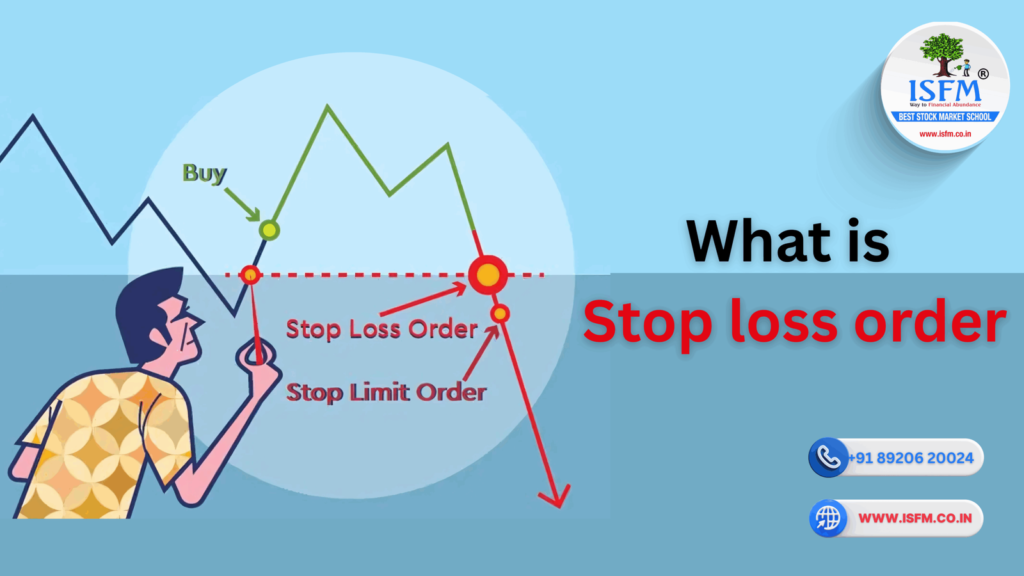
In the ever-shifting landscape of trading, emotions can often cloud judgment, turning profitable trades into painful losses. That’s where a stop loss order steps in—your first line of defense against unforeseen market swings. Whether you’re just starting your trading journey or you’re a seasoned market player, learning to use stop losses effectively can safeguard your investments and sharpen your strategies. In this comprehensive guide, we’ll explore everything from the definition and benefits of stop loss orders to their types, pros and cons, and how to use them like a pro. What is a Stop Loss Order? A stop loss order is a pre-set instruction to automatically sell or buy an asset when its price hits a specific level. Think of it as a “safety switch.” For instance, if you purchase a stock at ₹1,000 and set a stop loss at ₹900, your broker will sell it if the price drops to ₹900—limiting your potential loss to 10%. This tool is widely used across stock markets, forex, commodities, and cryptocurrency trading, allowing you to manage trades even when you’re away from your screen. Why Every Trader Should Use Stop Loss Orders Stop loss orders aren’t just for preventing losses—they’re a vital part of your trading plan. Here’s why: For more on managing risks, check out our guide on trading risk management. Features of Stop Loss Orders You Should Know Stop Loss Orders: Pros and Cons Advantages Drawbacks How to Use a Stop Loss Order: Step-by-Step Guide Best Practices for Using Stop Loss Orders Conclusion: Stop Loss Isn’t Just a Tool—It’s a Mindset Adopting stop loss orders isn’t just about preventing losses—it’s about trading smarter. It encourages strategic thinking, emotional discipline, and consistent risk management. While it’s not a silver bullet, integrating stop losses into your trades can significantly improve your long-term success.

How to trade in commodity market
Blog

How to Trade in the Commodity Market: A Comprehensive Guide with Pros, Cons, and Strategies

The commodity market—one of the oldest financial ecosystems—plays a pivotal role in global trade. It facilitates the exchange of essential raw materials such as gold, crude oil, and agricultural products. Evolving from ancient barter systems to modern digital trading platforms, this market offers critical functions like price discovery and risk management. Whether you’re a farmer hedging prices, a business protecting profit margins, or an investor diversifying assets, this guide explores how to trade in commodities, its importance, and actionable strategies to succeed. Key Features of the Commodity Market Why is the Commodity Market Important? Pros of Trading in the Commodity Market Diversification: Reduce dependency on equity markets.Inflation Hedge: Commodities like gold retain value during inflation.High Liquidity: Trade popular commodities with ease.Leverage: Potential for higher returns with small capital.Transparency: Exchange-regulated prices reduce manipulation. Cons of Trading in the Commodity Market Volatility: Markets can move drastically with geopolitical or environmental events.Leverage Risk: High leverage can lead to heavy losses.Complex Influences: Weather, trade policies, and political tensions affect prices.Storage Costs: Physical commodities incur additional costs.Speculative Manipulation: Some illiquid markets may be prone to manipulation. Why Does the Commodity Market Exist? How to Trade in the Commodity Market: 7-Step Guide Bonus Tip: Commodity Trading Strategies Conclusion Trading in the commodity market offers a world of opportunities for investors and hedgers alike. With the right knowledge, tools, and strategy, you can unlock its potential while managing risks effectively. Whether you’re aiming to diversify your portfolio or protect against inflation, commodities can play a vital role in your financial journey.

B-571 What is TIN Number What is DIN number
Blog

TIN vs DIN in India: Meaning, Features, Benefits & Key Differences

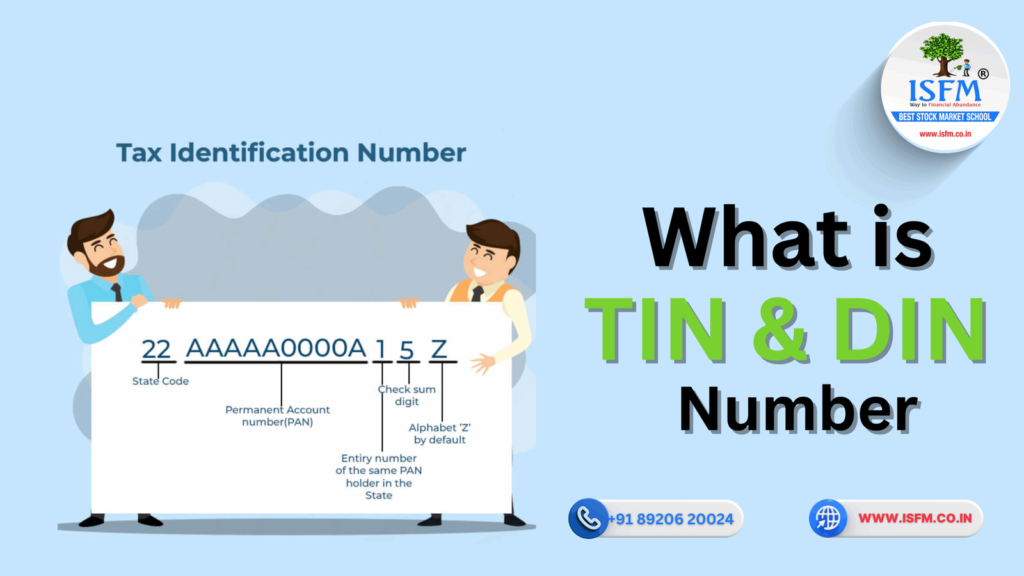
In today’s digital and regulatory environment, identification numbers are essential for ensuring transparency and compliance. Two such critical numbers in India are the Taxpayer Identification Number (TIN) and the Director Identification Number (DIN). Though both serve as unique identifiers, their purposes are vastly different. This article explains what TIN and DIN mean, their key features, benefits, and how they differ—so you can understand where and when each applies. What is TIN (Taxpayer Identification Number)? A Taxpayer Identification Number (TIN) is an essential alphanumeric code assigned to individuals, businesses, or entities by the income tax department or GST authorities. In India, TIN is often used interchangeably with GSTIN (for GST-registered entities) and is critical for all tax-related activities. Key Features of TIN Why is TIN Important? What is DIN (Director Identification Number)? A Director Identification Number (DIN) is a unique number assigned to individuals appointed as directors of companies in India. Introduced under the Companies Act, 2006, the DIN ensures that directors can be uniquely identified across all companies they are associated with. Key Features of DIN Why is DIN Important?  How to Apply for a TIN or DIN in India How to Get a TIN (GSTIN) How to Get a DIN Conclusion: TIN and DIN – Two Pillars of Compliance Whether you’re starting a business, filing taxes, or becoming a company director, understanding the difference between TIN and DIN is crucial. A TIN ensures you stay tax-compliant, while a DIN ensures transparency in corporate governance. These identifiers not only enable smooth regulatory processes but also reinforce credibility and trust in India’s financial and corporate ecosystem.

Scroll to Top