

June 2, 2025

How to be a sub broker_www.isfm.co.in
Blog

How to Become a Sub-Broker in the Indian Stock Market: Step-by-Step Guide

The Indian stock market presents a dynamic platform for those aiming to build a career in finance. Among the multiple career paths, becoming a sub-broker in India is one of the most accessible and rewarding options. This guide walks you through the process, regulations, financial requirements, and the pros and cons of starting your journey as a sub-broker. Who is a Sub-Broker? A sub-broker is an intermediary who connects retail clients with a registered SEBI-authorized stockbroker. They assist clients in executing trades across various segments such as equities, derivatives, and commodities. Unlike full-time brokers, sub-brokers function under a principal broker’s umbrella, making it easier to enter the market with lower capital investment. Step-by-Step Process to Become a Sub-Broker in India 1. Choose a Reputable SEBI-Registered Broker Start by selecting a well-known stockbroker like Zerodha, Angel One, or Sharekhan. Ensure they offer a competitive revenue-sharing model, marketing support, and training resources. 2. Meet Regulatory Requirements 3. Financial Investment 4. Set Up Office Infrastructure While you can start from a home office, a professional setup enhances credibility. Use trading platforms like ODIN, NOW, or NEST, often provided by your broker. 5. Build Your Client Base Key Features of a Sub-Broker Model Why Sub-Brokers are Crucial to the Indian Stock Market Pros and Cons of Becoming a Sub-Broker Pros Cons Conclusion Becoming a sub-broker is a smart way to enter the Indian stock market with minimal investment and solid earning potential. With the right broker partnership, a clear understanding of regulations, and strategic client acquisition, you can build a long-term, scalable business in the financial world.
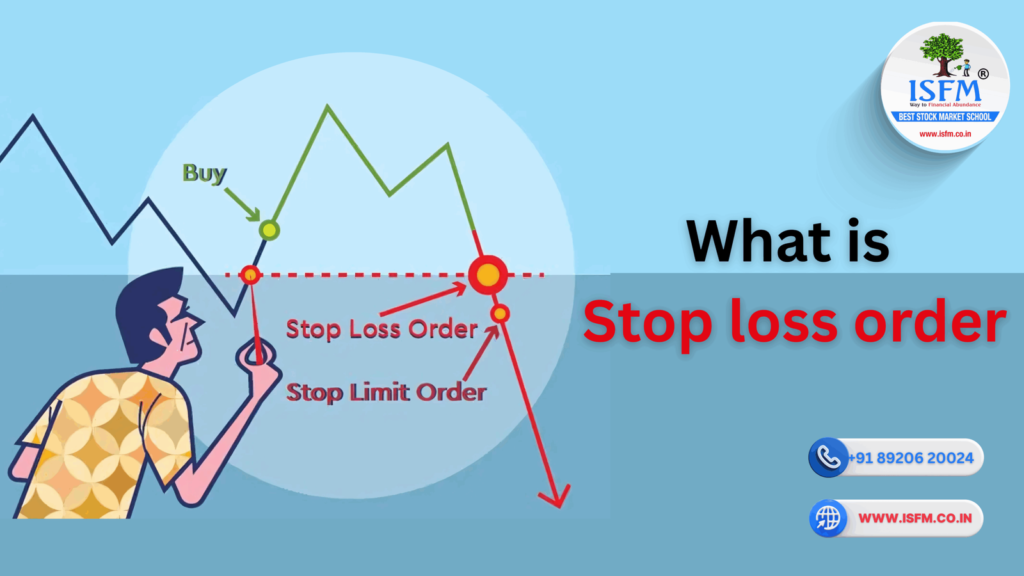

What is Stop loss order
Blog

Stop Loss Order: Master the Art of Risk Management & Strategic Exits

In the ever-shifting landscape of trading, emotions can often cloud judgment, turning profitable trades into painful losses. That’s where a stop loss order steps in—your first line of defense against unforeseen market swings. Whether you’re just starting your trading journey or you’re a seasoned market player, learning to use stop losses effectively can safeguard your investments and sharpen your strategies. In this comprehensive guide, we’ll explore everything from the definition and benefits of stop loss orders to their types, pros and cons, and how to use them like a pro. What is a Stop Loss Order? A stop loss order is a pre-set instruction to automatically sell or buy an asset when its price hits a specific level. Think of it as a “safety switch.” For instance, if you purchase a stock at ₹1,000 and set a stop loss at ₹900, your broker will sell it if the price drops to ₹900—limiting your potential loss to 10%. This tool is widely used across stock markets, forex, commodities, and cryptocurrency trading, allowing you to manage trades even when you’re away from your screen. Why Every Trader Should Use Stop Loss Orders Stop loss orders aren’t just for preventing losses—they’re a vital part of your trading plan. Here’s why: For more on managing risks, check out our guide on trading risk management. Features of Stop Loss Orders You Should Know Stop Loss Orders: Pros and Cons Advantages Drawbacks How to Use a Stop Loss Order: Step-by-Step Guide Best Practices for Using Stop Loss Orders Conclusion: Stop Loss Isn’t Just a Tool—It’s a Mindset Adopting stop loss orders isn’t just about preventing losses—it’s about trading smarter. It encourages strategic thinking, emotional discipline, and consistent risk management. While it’s not a silver bullet, integrating stop losses into your trades can significantly improve your long-term success.

Scroll to Top