
May 29, 2025

B-571 What is TIN Number What is DIN number
Blog

TIN vs DIN in India: Meaning, Features, Benefits & Key Differences

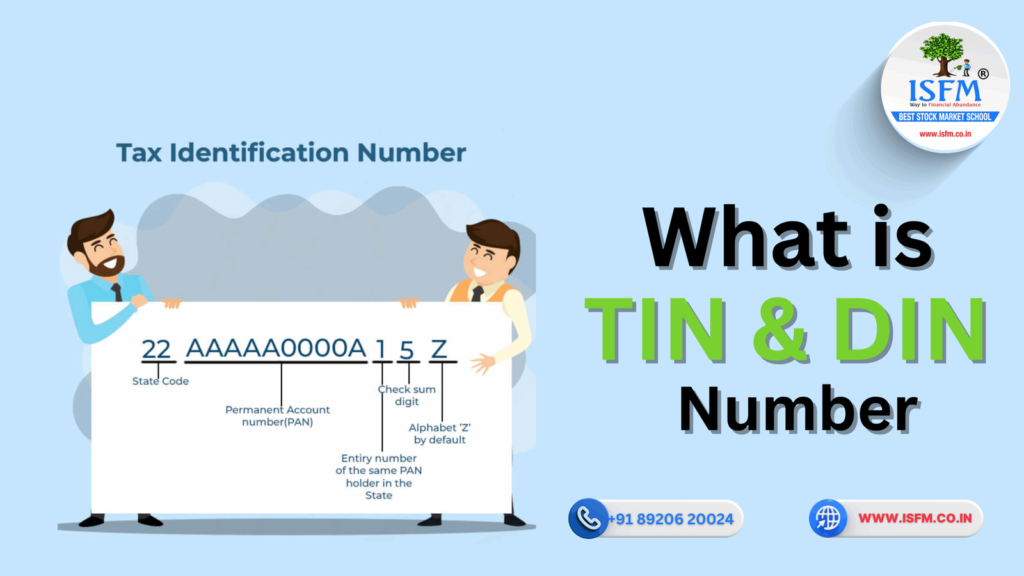
In today’s digital and regulatory environment, identification numbers are essential for ensuring transparency and compliance. Two such critical numbers in India are the Taxpayer Identification Number (TIN) and the Director Identification Number (DIN). Though both serve as unique identifiers, their purposes are vastly different. This article explains what TIN and DIN mean, their key features, benefits, and how they differ—so you can understand where and when each applies. What is TIN (Taxpayer Identification Number)? A Taxpayer Identification Number (TIN) is an essential alphanumeric code assigned to individuals, businesses, or entities by the income tax department or GST authorities. In India, TIN is often used interchangeably with GSTIN (for GST-registered entities) and is critical for all tax-related activities. Key Features of TIN Why is TIN Important? What is DIN (Director Identification Number)? A Director Identification Number (DIN) is a unique number assigned to individuals appointed as directors of companies in India. Introduced under the Companies Act, 2006, the DIN ensures that directors can be uniquely identified across all companies they are associated with. Key Features of DIN Why is DIN Important?  How to Apply for a TIN or DIN in India How to Get a TIN (GSTIN) How to Get a DIN Conclusion: TIN and DIN – Two Pillars of Compliance Whether you’re starting a business, filing taxes, or becoming a company director, understanding the difference between TIN and DIN is crucial. A TIN ensures you stay tax-compliant, while a DIN ensures transparency in corporate governance. These identifiers not only enable smooth regulatory processes but also reinforce credibility and trust in India’s financial and corporate ecosystem.

B-583 What is Bull and Bear trap in stock market
Blog

Bull and Bear Traps in the Stock Market: How to Spot Them and Trade Smartly

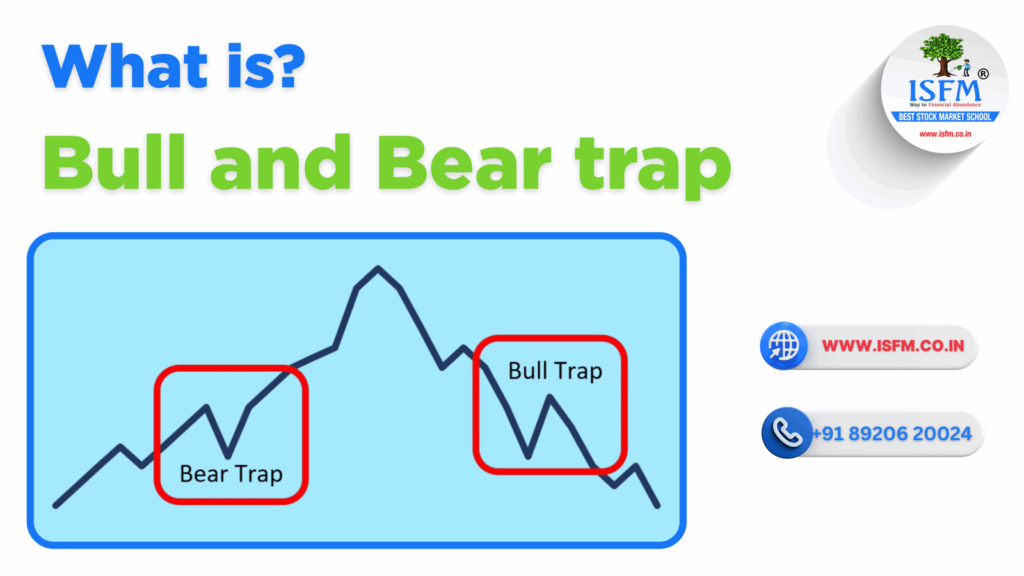
In the fast-paced world of stock trading, price movements don’t always tell the full story. Bull and bear traps are common market setups that mislead traders into making the wrong move. Recognizing these deceptive signals is essential for protecting your capital and finding hidden opportunities. In this guide, we’ll break down what these traps are, their advantages and risks, and smart trading tactics to help you profit and avoid costly mistakes. What Are Bull and Bear Traps in Trading? Bull Trap – A Fake Breakout Upwards Bear Trap – A False Breakdown Downwards Advantages and Risks of Bull and Bear Traps Advantages Drawbacks Trading Opportunities: Traders can profit by shorting bull traps or buying into bear traps. Risk of Loss: Inexperienced traders may misinterpret traps and enter at the wrong time. Market Psychology Insight: These patterns reflect mass sentiment and emotional trading behavior. High Volatility: Traps can cause sharp, unpredictable price movements. Entry/Exit Signals: Traps often precede key reversals, offering chances for well-timed trades. False Confidence: Repeated traps may shake investor confidence and decision-making. How to Trade Bull and Bear Traps Effectively Use Technical Indicators Analyze Trading Volume Apply Strong Risk Management Think Like a Contrarian Also Read: Can Government Employees Invest in the StockMarket? Rules, Guidelines, Benefits & Risks Tips to Avoid Falling into Traps Wait for Confirmation Before Entering a Trade Stay Educated and Stick to Your Plan Conclusion Bull and bear traps can either be trading setbacks or hidden gems—it all depends on how prepared you are. By learning how to detect these setups, using technical tools wisely, and sticking to a disciplined risk management strategy, you can turn these traps into profitable opportunities. Always stay informed, trade smart, and don’t follow the crowd blindly.

Scroll to Top