Author name: Mr. Sushil Alewa

Sushil Alewa is the Founder & Director of ISFM – International School of Financial Market, established in July 2014 with the aim of bridging the gap between academic finance and real, practical market participation. A Certified Financial Planner - CFP from US (Reg. No. IN 51734) and SEBI Registered Research Analyst (Reg. No. INH100009433) with an MBA in finance, Sushil has spent more than 16 years in the Indian capital markets. His career spans equity advisory and research at Sharekhan, India Infoline, Indiabulls and Religare, followed by HNI portfolio advisory at Anand Rathi Wealth Management — experience that shaped the practitioner-first approach ISFM is known for today. He is an active trader and researcher, and his teaching draws directly from live market work rather than theory alone. His areas of focus include technical analysis, derivatives and options strategies, equity research and fundamental analysis, and investor awareness. Sushil is currently a PhD scholar researching options trading strategies, and regularly conducts investor awareness and financial literacy programs for students, professionals and corporate audiences.

call ratio back spread
Uncategorized

Call Ratio Back Spread: A Comprehensive Guide for Traders

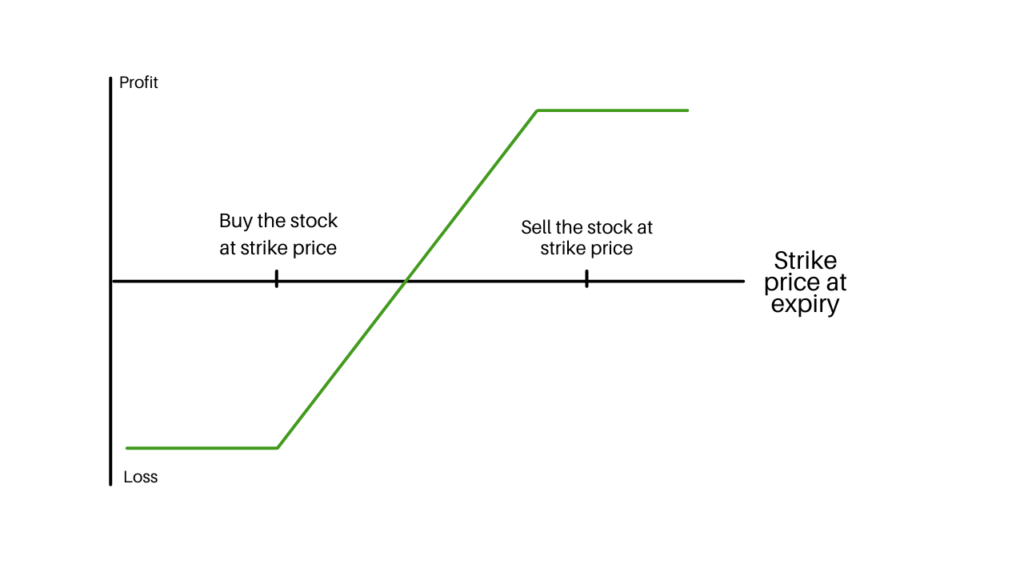
The Call Ratio Back Spread is a popular options trading strategy among experienced traders who anticipate a significant upward movement in an asset’s price. It combines the elements of limited risk with the potential for unlimited profit, making it an attractive choice in volatile markets. Let’s dive into the details of this strategy, how it works, and why it can be a game-changer for your trading portfolio. What is a Call Ratio Back Spread? The Call Ratio Back Spread is an advanced options strategy involving buying more call options than you sell, typically in a 2:1 or 3:1 ratio. This means you sell one call option at a lower strike price and buy two or more call options at a higher strike price of the same expiration. This strategy benefits from: Key Features of the Call Ratio Back Spread 1. Market Outlook: 2. Setup: 3. Risk-Reward Dynamics: 4. Cost: How Does It Work? Let’s break it down with an example: Scenarios at Expiry Also Read: RBI New Governor: Sanjay Malhotra’s Vision for India’s Financial Future Drawbacks to Consider Tips for Successful Implementation Conclusion The Call Ratio Back Spread is a powerful strategy for traders looking to capitalize on bullish market trends with controlled risk. While it offers significant rewards, its success hinges on accurate market predictions and timely execution. By mastering this strategy, you can add a dynamic tool to your trading arsenal and potentially unlock unlimited profit opportunities. Whether you’re a seasoned options trader or just exploring advanced strategies, the Call Ratio Back Spread is worth considering for your next market play. For more insights on trading strategies, stay tuned to our blog. Don’t forget to share your experiences with this strategy in the comments below!

emeral tyre ipo
Uncategorized

Understanding the Emerald Tyre IPO: A Comprehensive Guide

The Emerald Tyre IPO (Initial Public Offering) marks a significant step in the company’s journey towards growth and expansion. As more companies go public to raise capital, it’s crucial for investors to understand what an IPO entails, particularly when it involves a company like Emerald Tyre Manufacturers. This blog aims to provide a detailed overview of the Emerald Tyre Manufacturers IPO, including its background, key details, and considerations for potential investors. What is an IPO? An IPO is the process by which a private company offers its shares to the public for the first time. It represents an opportunity for investors to purchase shares in a company and potentially benefit from its future growth. For companies like Emerald Tyre Manufacturers, going public can provide a significant source of capital to fund expansion, reduce debt, or invest in new technologies and markets. About Emerald Tyre Manufacturers Emerald Tyre Manufacturers is a well-established player in the automotive tyre manufacturing industry. Known for its high-quality products and innovative solutions, the company has built a reputation for reliability and performance. It manufactures a wide range of tyres, catering to various segments including passenger vehicles, commercial vehicles, and two-wheelers. The company’s commitment to quality and customer satisfaction has contributed to its growing market share and brand value. Key Details of the Emerald Tyre Manufacturers IPO Benefits and Risks of Investing in Emerald Tyre Manufacturers IPO 1. Benefits 2. Risks Also Read: RBI New Governor: Sanjay Malhotra’s Vision for India’s Financial Future Tips for Potential Investors Conclusion The Emerald Tyre IPO presents an exciting opportunity for investors looking to enter the tyre manufacturing sector. While there are potential benefits, it’s important to be aware of the associated risks. By making informed decisions and consulting with financial experts, investors can better position themselves to capitalize on the growth potential offered by this IPO. As with any investment, it’s crucial to have a clear strategy and a long-term perspective.

rbi new governor
Uncategorized

RBI New Governor: Sanjay Malhotra’s Vision for India’s Financial Future

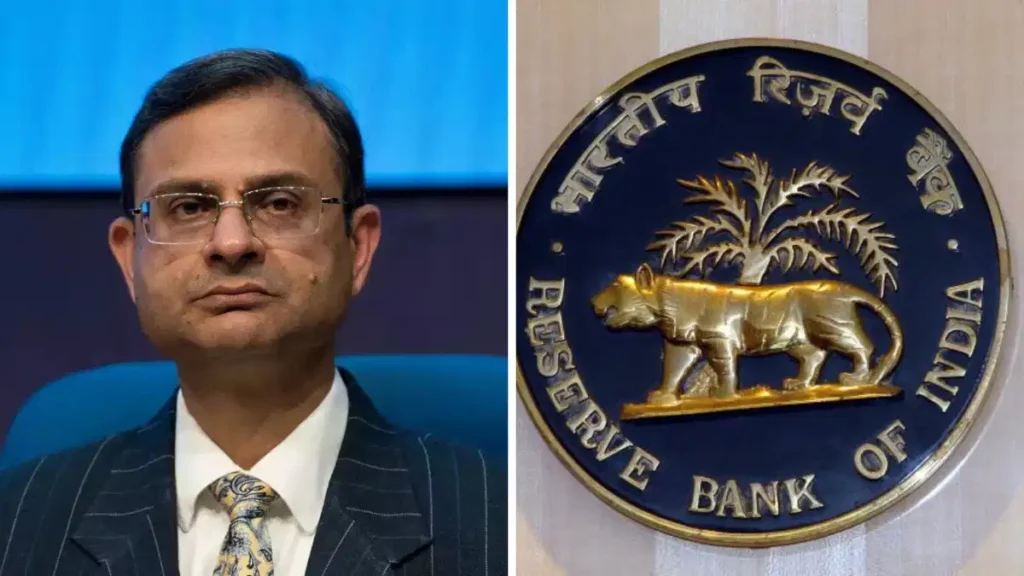
The Reserve Bank of India (RBI) is not just a financial institution; it is the backbone of India’s monetary system, influencing the economic trajectory of the nation. With Sanjay Malhotra stepping in as the RBI new Governor, all eyes are on how his leadership will shape India’s financial future. In this blog, we delve into his background, potential policy direction, and the implications for India’s economy. Who is RBI New Governor Sanjay Malhotra? Sanjay Malhotra, a seasoned bureaucrat and visionary, brings a wealth of experience to his role as the RBI Governor. A 1990 batch IAS officer from the Rajasthan cadre, Malhotra has a proven track record in financial administration, having served in pivotal roles such as the Secretary of the Department of Financial Services (DFS). His expertise in banking reforms, digital finance, and economic policymaking sets the stage for a transformative era in the RBI. Key Challenges for Sanjay Malhotra As the head of India’s central bank, Sanjay Malhotra faces a myriad of challenges: Sanjay Malhotra’s Policy Priorities Implications for Investors and Businesses The new governor’s policies are expected to influence various sectors: Also Read: Navigating Economic Uncertainties: RBI Monetary Policy in December Review Public Expectations from Sanjay Malhotra As the RBI Governor, Sanjay Malhotra is anticipated to embody transparency and decisiveness. Stakeholders, including businesses, investors, and the common man, expect a steady hand at the helm to navigate economic uncertainties while fostering growth. Conclusion Sanjay Malhotra’s appointment as the RBI Governor marks a new chapter in India’s financial governance. His expertise and vision hold the promise of a resilient and inclusive financial ecosystem. As the nation watches closely, his tenure could redefine India’s economic landscape in the years to come. Stay tuned to our blog for more updates on India’s financial and economic developments!

vishal mega mart ipo
Blog

Understanding the Vishal Mega Mart IPO: What Investors Need to Know

The Vishal Mega Mart IPO has generated significant interest among investors. This blog provides a detailed overview of the IPO, including its background, financial details, and potential impact on the market. Whether you’re a seasoned investor or new to the stock market, this guide will help you understand what to expect from Vishal Mega Mart’s IPO. What is Vishal Mega Mart? Vishal Mega Mart is a popular retail chain in India, known for its wide range of affordable fashion apparel and home products. Established in 2001, it has expanded across the country with over 100 stores. The company’s business model focuses on providing value-driven products to middle and lower-income groups, offering competitive pricing and a diverse product range. The Vishal Mega Mart IPO: Key Details 1. IPO Size and Offer Structure: Vishal Mega Mart’s IPO is expected to be of a certain size (e.g., ₹X crores). It may include a fresh issue of shares and an offer for sale (OFS) by existing shareholders. Investors should check the final IPO prospectus for detailed information. 2. Price Band and Lot Size: The price band for the IPO will likely be set within a specific range (e.g., ₹Y to ₹Z per share). The lot size—minimum number of shares that can be bid for—will also be specified. This determines how many shares investors must purchase to participate in the IPO. 3. Financial Performance: Investors will be looking at Vishal Mega Mart’s recent financial performance, including revenue, profit margins, and debt levels. This information is crucial to assess the company’s growth potential and its ability to sustain profitability post-listing. 4. Use of Proceeds: The funds raised from the IPO are likely to be used for expansion, debt repayment, and working capital needs. Understanding how the company plans to use these funds can give insights into its growth strategy. 5. Risk Factors: Potential investors should also be aware of the risks associated with the IPO, such as market competition, changes in consumer spending patterns, and economic downturns that could impact sales and profitability. Also Read: Emergency Fund vs Personal Loan: What’s the Best Choice for Urgent Financial Needs? Why Should You Invest in Vishal Mega Mart’s IPO? Tips for Investors Conclusion The Vishal Mega Mart IPO offers an exciting opportunity for investors looking to gain exposure to the growing retail sector in India. By understanding the key details, assessing the company’s financial health, and following expert advice, investors can make informed decisions about whether to participate in the IPO. As with any investment, it’s important to weigh the risks and returns carefully. If you’re considering investing in Vishal Mega Mart’s IPO, make sure to do thorough research and consult with a financial advisor to align your investment strategy with your financial goals.

emergency fund vs personal loan
Uncategorized

Emergency Fund vs Personal Loan: What’s the Best Choice for Urgent Financial Needs?

Life is unpredictable, and financial emergencies can arise when you least expect them. Whether it’s a sudden medical bill, car repair, or job loss, having a plan for these situations is crucial. Two popular ways to address urgent financial needs are emergency funds vs personal loans. But which one is the smarter choice for you? Let’s dive into the details to help you decide. What is an Emergency Fund? An emergency fund is a reserve of money set aside specifically for unforeseen expenses. This fund is typically kept in a liquid account, such as a savings or money market account, allowing for quick access in times of need. Advantages of an Emergency Fund Drawbacks of an Emergency Fund Example: If your car breaks down, and the repair costs ₹20,000, you can withdraw this amount from your emergency fund without the stress of loan repayments. What is a Personal Loan? A personal loan is borrowed money that can be used for various purposes, including emergencies. These loans often require an application process, and if approved, the funds are transferred to your account. Advantages of a Personal Loan Drawbacks of a Personal Loan Example: If you face an unexpected medical bill of ₹50,000 but don’t have sufficient savings, a personal loan can cover the expense. However, you’ll need to pay interest over time. Also Read:A Golden Opportunity: Why Muthoot Finance Stands Out in the Gold Loan Industry Emergency Fund vs. Personal Loan: Key Comparisons When to Use an Emergency Fund? Pro Tip: Financial experts recommend building an emergency fund with 3–6 months’ worth of living expenses for maximum security. When to Opt for a Personal Loan? Pro Tip: Compare lenders to find the best interest rates and repayment terms before applying for a personal loan. Preparing for Future Financial Emergencies The Verdict: Emergency Fund or Personal Loan? Both options have their place in financial planning: The Ideal Strategy: Aim to build a robust emergency fund while staying informed about personal loan options. This dual approach ensures you’re prepared for any financial surprises without jeopardizing your future stability. By combining careful planning with smart financial habits, you can handle life’s challenges with confidence and ease.

rbi-monetary-policy
Blog

Navigating Economic Uncertainties: RBI Monetary Policy in December Review

The Reserve Bank of India’s (RBI) Monetary Policy Committee (MPC) delivered a carefully calibrated and non-committal stance during its December 2024 policy review. The MPC, led by the Governor, struck a balance between ensuring price stability and addressing growth concerns. Amidst ongoing global uncertainties and domestic challenges, the committee opted to maintain the benchmark rate pause while boosting liquidity in the financial system. Here’s a closer look at the key takeaways from the policy review: Evolving Growth-Inflation Dynamics The RBI acknowledged the divergence between growth and inflation, reflected in the revision of its FY25 projections. The Road Ahead Looking forward, the MPC will have critical data points, including two additional inflation readings and the FY26 Budget, before its February 2025 policy review. Liquidity Measures to Support Growth Recognizing near-term liquidity challenges, the MPC adopted targeted measures: Encouraging Capital Inflows To attract foreign capital, the RBI raised interest rate ceilings on Foreign Currency Non-Resident (Bank) [FCNR(B)] deposits. However, the actual impact is expected to be limited due to the underutilization of existing limits. Industry stakeholders had hoped for further concessions, such as CRR exemptions for incremental FCNR(B) deposits. Final Thoughts: Balancing Stability and Growth The RBI’s December 2024 policy decisions reflect a cautious approach amid global and domestic uncertainties. By maintaining its pause on interest rates and implementing strategic liquidity measures, the MPC aims to navigate an uncertain economic environment effectively. With inflation moderation on the horizon and fiscal consolidation in progress, the stage is set for future adjustments. However, global headwinds and domestic risks will remain critical factors influencing the path forward. India’s resilience, bolstered by strong domestic guardrails, positions it to withstand potential economic storms, but vigilant monitoring and responsive policymaking will be essential in 2025 and beyond. Also Read: SM REITs: A New Way to Invest in Real Estate

finotex chemical ltd
Blog

SEBI’s New Proposal for Close Auction Session: A Game-Changer for Indian Markets

The Securities and Exchange Board of India (SEBI) recently announced its proposal to introduce a Close Auction Session in the Indian stock markets. This move aims to revolutionize the way stock prices are determined at the end of a trading day, aligning the Indian markets with global best practices. But what exactly is this proposal, and how will it impact investors, traders, and the overall market ecosystem? Let’s dive into the details. What Is a Close Auction Session? A Close Auction Session is a mechanism designed to determine the closing prices of securities in a transparent and efficient manner. It involves matching buy and sell orders during a pre-determined period at the end of the trading session. The closing price is then established based on this price-discovery process. Globally, markets like the NYSE and Nasdaq already use close auctions to ensure fair and accurate closing prices. SEBI’s proposal seeks to bring the Indian markets on par with these standards, enhancing transparency and investor confidence. Key Features of SEBI’s Proposal 1. Improved Price Discovery: The close auction mechanism aims to reduce volatility by allowing market participants to place orders in a structured environment, ensuring that the closing price reflects the actual demand and supply. 2. Separate Trading Session: SEBI proposes to introduce a dedicated session after the regular trading hours, lasting for a specific time frame. During this session, market participants can submit and modify their orders without knowing the prevailing price. 3. Uniformity Across Markets: This initiative is expected to standardize the process of determining closing prices across equity and derivative markets, reducing discrepancies. 4. Alignment with Global Practices: By adopting a mechanism widely used in developed markets, SEBI aims to attract global investors who seek consistency and reliability in pricing mechanisms. Potential Benefits of the Close Auction Session 1. Enhanced Market Integrity: Closing prices play a crucial role in valuation, portfolio management, and benchmarking. A well-structured close auction session ensures that these prices are less prone to manipulation. 2. Reduced Volatility: The close auction mechanism minimizes sharp price movements caused by last-minute trades during the regular session, leading to more stable and predictable closing prices. 3. Increased Liquidity: By allowing a dedicated time frame for order placement, the proposal is likely to attract more participation from institutional and retail investors. Challenges and Concerns While the proposal is promising, its implementation could face some challenges: Impact on Traders and Investors Conclusion SEBI’s proposal to introduce a Close Auction Session is a forward-thinking step that promises to enhance transparency, reduce volatility, and align Indian markets with global standards. While there may be initial challenges, the long-term benefits for all market participants make this a welcome development. As India continues its journey to becoming a global financial powerhouse, initiatives like these underline SEBI’s commitment to fostering a robust and investor-friendly market ecosystem. Stay tuned as we track the progress of this landmark proposal and its impact on the Indian stock markets. Have questions about SEBI’s new initiatives or stock market strategies? Connect with us at ISFM – Gurgaon’s leading Stock Market Training Institute, where we simplify the complex world of finance for you!

Sm Reits
Blog

SM REITs: A New Way to Invest in Real Estate

Investing in real estate has long been considered a lucrative way to build wealth. However, the traditional approach of buying properties requires substantial capital, time, and management expertise. Enter REITs (Real Estate Investment Trusts)—a game-changer in the world of real estate investing. Among the emerging trends, SM REITs are capturing the spotlight as a revolutionary way for investors to gain exposure to the real estate market. In this blog, we’ll explore what SM REITs are, how they work, and why they are becoming a preferred choice for investors seeking stable returns and diversified portfolios. What Are SM REITs? SM REITs, short for Small and Mid-cap Real Estate Investment Trusts, are a subset of REITs focusing on smaller and mid-sized properties or projects. Unlike traditional REITs that often invest in high-value commercial spaces like skyscrapers or luxury malls, SM REITs target real estate projects in emerging markets, suburban areas, and niche industries. These REITs enable retail investors to invest in real estate without owning physical property. SM REITs are typically listed on stock exchanges, making them easily accessible to the general public. Why Invest in SM REITs? 1. Affordability Traditional real estate investments require significant capital, but SM REITs allow investors to start with smaller amounts. This opens the doors for young investors or those with limited budgets to enter the lucrative real estate market. 2. Diversification By investing in SM REITs, you gain exposure to a wide range of real estate projects, from suburban office spaces to small shopping centers. Diversification reduces risk and improves the stability of returns. 3. Liquidity Unlike physical properties, SM REITs are traded on stock exchanges, offering liquidity. Investors can buy or sell shares as easily as trading stocks, making it a hassle-free investment option. 4. Steady Income REITs are required by law to distribute a significant portion of their profits as dividends. SM REITs typically offer attractive dividend yields, making them a reliable source of passive income. 5. Growth Potential SM REITs often target properties in high-growth regions or emerging markets. This focus on smaller, dynamic properties provides the potential for substantial capital appreciation. Also Read: Why India’s Economic GDP Slowed Down? How Do SM REITs Work? Investing in SM REITs is straightforward: SM REITs generate revenue through rents and leases, distributing profits to shareholders after covering operational expenses. Are SM REITs Right for You? SM REITs are ideal for: However, like all investments, SM REITs come with risks, including market volatility and interest rate sensitivity. Proper research and diversification are key to mitigating these risks. Future of SM REITs in India In India, the REIT market is still in its infancy, but it’s growing rapidly. With urbanization and the rise of e-commerce fueling demand for warehouses, retail spaces, and suburban office hubs, SM REITs are well-positioned to thrive. Regulatory support and increased awareness among retail investors are further driving their popularity. As more developers focus on small and mid-sized real estate projects, SM REITs are likely to become a mainstream investment option, offering accessibility and profitability to a broad audience. Final Thoughts SM REITs are revolutionizing real estate investing by making it accessible, flexible, and rewarding. Whether you’re a seasoned investor or a beginner, these innovative financial instruments offer a unique opportunity to tap into the real estate market with lower capital and risk. Start exploring SM REITs today and diversify your portfolio with this dynamic and promising asset class. Have questions about investing in REITs? Contact ISFM—India’s premier stock market training institute in Gurgaon—for expert guidance and personalized investment strategies.

India’s Economic Growth Slow
Blog

India’s Economic Growth Slows: Analysts Cut Forecasts Amid Rising Challenges

India’s economic growth slow down has hit a stumbling block, with GDP growth slowing to a seven-quarter low of 5.4% during the July-September quarter. This figure, significantly lower than both consensus estimates and the Reserve Bank of India’s (RBI) projection of 7%, has prompted leading economists and financial institutions, including Goldman Sachs and Barclays, to sharply revise their growth forecasts for the fiscal year ending March 2025. Revised Growth Projections Goldman Sachs economists Santanu Sengupta and Arjun Varma have lowered their growth estimate from 6.4% to 6%, citing weaker-than-expected performance in the manufacturing sector. Similarly, Madhavi Arora, lead economist at Emkay Global Financial Services, adjusted her projection to 6% from 6.5%, attributing the slowdown to subdued urban consumption and stagnating incomes. She noted that rural consumption, while showing signs of improvement, remains cyclical and unsustainable without broader economic recovery. Key Factors Behind the Growth Slowdown The economic deceleration has been driven by several factors: These issues have fueled demands from various government quarters for an interest rate cut to spur growth. However, RBI Governor Shaktikanta Das has resisted easing borrowing costs, citing the risks associated with persistent inflation. The RBI’s next monetary policy meeting, scheduled for December 6, will be closely watched for any indications of a shift in strategy. Policy Implications and Forecast Adjustments Economists from Standard Chartered highlighted the need for fast-tracking government capital expenditure to offset the slowdown in manufacturing, which they believe will not recover quickly. Anubhuti Sahay and Saurav Anand from Standard Chartered warned that the current conditions could necessitate alternative liquidity measures, such as reducing the cash reserve ratio for banks, to boost lending capacity. IDFC First Bank economist Gaura Sen Gupta added that while a rate cut in December isn’t guaranteed, it remains a distinct possibility. Policymakers might also explore liquidity-enhancing measures to stimulate borrowing and investment. Also Read: Why Muthoot Finance Stands Out in the Gold Loan Industry. Everything You Should Know. Challenges for the RBI The disappointing GDP data has put pressure on the RBI to revise its projections for inflation and growth. Actual price pressures have outpaced the central bank’s forecast of an average 4.5% inflation for the financial year, and the GDP growth for the quarter has significantly underperformed. According to Madan Sabnavis, chief economist at Bank of Baroda, these revised projections will be critical in shaping the RBI’s policy direction in the coming months. Looking Ahead India’s economic trajectory in the near term depends heavily on both monetary and fiscal policy responses. While the government may need to increase capital spending, the RBI faces the dual challenge of addressing inflation and fostering growth. The upcoming policy meeting could signal the central bank’s willingness to pivot its approach, potentially marking the start of a new phase for India’s economic recovery. By addressing key economic concerns and adopting corrective measures, India could stabilize its growth trajectory and build resilience against global uncertainties. Stakeholders across sectors will be keenly observing the developments as policymakers grapple with these pressing challenges.

InterGlobe Aviation Ltd
Blog

InterGlobe Aviation Ltd: Buy Amidst Turbulence to Fly Higher

The aviation industry in India has seen numerous failures, with several airlines including Vayudoot, Modiluft, Damania, East West, Sahara, Air Deccan, Jet Airways, Kingfisher, and Go First going under. However, **InterGlobe Aviation**, operating under the IndiGo brand, has successfully defied the odds. Today, it stands tall as India’s largest and most profitable airline, making it a compelling investment opportunity. Our Initial Recommendation and Its Success We first advised buying shares of InterGlobe Aviation back in November 2017. Despite the challenges of the COVID-19 pandemic, which grounded flights globally, we maintained our stance. An investment of ₹1 lakh at that time would have grown to ₹3.5 lakh, demonstrating a compounded growth rate that far outpaced the market. During this six-year period, the airline’s **financial metrics soared A New Buying Opportunity in InterGlobe Aviation Currently, InterGlobe’s stock has dropped by 22% from its 52-week highs, marking a six-month low. This decline was triggered by an unexpected quarterly loss in Q2 FY25. However, a deeper analysis shows that the company’s core fundamentals remain strong. The dip in share price offers a rare buying opportunity for long-term investors looking to capitalize on a robust growth trajectory. Understanding the Q2 FY25 Loss InterGlobe faced several operational headwinds in Q2 FY25, including: 1. Engine Groundings: Over 70 aircraft were grounded due to engine issues, severely impacting capacity. 2. Higher Lease Costs: To maintain operations, the airline leased additional aircraft, escalating rental costs by 4x. 3. Increased Fuel Costs: Airport congestion and higher VAT rates drove up expenses. These factors caused EBITDAR margins to shrink from **16.4% to 14.3%**, leading to a ₹987 crore loss — its first quarterly loss in two years. Why This is a Temporary Hiccup? The company’s management has highlighted that the situation is improving: The number of grounded aircraft has reduced from mid-70s to **high 60s**, with expectations of further reduction to sub-60 by end of 2024.  As these grounded planes return to service, InterGlobe will lease fewer aircraft, which will significantly reduce rental costs. Expanding Internationally: The Next Growth Frontier InterGlobe’s international strategy is a key pillar for its future growth. With a **28% market share in international flights**, the airline aims to increase this to 30% by the end of FY25. New routes such as Jaffna, Mauritius, Penang, and Langkawi highlight its aggressive expansion plans. The order of 30 Airbus A350 wide-body aircraft and purchase rights for an additional 70 is set to boost its international capacity. These planes promise up to 25% fuel savings**, enhancing cost-efficiency on long-haul routes. Defending Its Market Leadership against Rising Competition InterGlobe faces increasing competition from Air India, now backed by the Tata Group, which has ordered a massive **495 aircraft**. In response, InterGlobe placed an even larger order for **500 narrow-body Airbus planes**, increasing its total order book to **942 aircraft**. This fleet expansion, scheduled between 2030 and 2035, will help maintain its market dominance. However, challenges remain. Domestic competitors like Akasa Air, Air Kerala, Alhind Air, and Fly91, along with Middle-Eastern airlines, are vying for market share. Despite these threats, India’s aviation market remains one of the fastest-growing globally, with domestic capacity nearly doubling from 8 million to 15.6 million passengers by April 2024. Key Risks to Monitor While InterGlobe has a strong track record, investors should be aware of potential risks: Rising Competition: Both domestic and international players are aggressively expanding in the Indian market. Economic and Geopolitical Risks: Fluctuations in crude oil prices, driven by geopolitical tensions, can significantly impact airline profitability. External Market Factors: The demand for air travel is closely tied to the economic environment. A downturn could dampen growth prospects. The Bottom Line: A Long-Term Bet on Indian Aviation Growth The recent share price drop should be viewed as an opportunity for investors to buy into India’s most profitable airline. The company’s proactive measures to resolve operational issues, aggressive international expansion, and strategic fleet additions position it well for future growth. While risks such as crude price volatility and rising competition exist, InterGlobe’s strong fundamentals and proven resilience make it a solid bet for the long haul. Also Read: Kaveri Seeds: A Compelling Buy for Long Term Who Should Invest in InterGlobe Aviation? Growth-Oriented Investors: Those looking to capitalize on the booming Indian aviation market, supported by rising disposable incomes and increased air travel aspirations. Long-Term Investors: Individuals who can withstand short-term volatility for potential long-term rewards. Who Should Avoid This Investment? Conservative Investors: If you prefer steady businesses with consistent dividends, such as FMCG or tech stocks, InterGlobe may not align with your investment strategy. Investors Averse to Volatility: The aviation industry is inherently sensitive to external factors, making it less suitable for risk-averse investors. Volatility Check: Lower Than Market Average. With a beta of 0.91InterGlobe’s stock is less volatile than the broader market. This implies relatively fewer sharp price movements, even during market fluctuations. Conservative Investors: If you prefer steady businesses with consistent dividends, such as FMCG or tech stocks, InterGlobe may not align with your investment strategy. Investors Averse to Volatility: The aviation industry is inherently sensitive to external factors, making it less suitable for risk-averse investors. Volatility Check: Lower Than Market Average Disclosure The author, Ekramul Haque, and the advisory firm, Independent Advisors Private Limited, do not hold shares in InterGlobe Aviation as of the date of this publication. This reimagined analysis offers a fresh, SEO-friendly take on InterGlobe Aviation, emphasizing its strategic growth initiatives and addressing the key investment considerations in today’s context.

Scroll to Top