Author name: Mr. Sushil Alewa

Sushil Alewa is the Founder & Director of ISFM – International School of Financial Market, established in July 2014 with the aim of bridging the gap between academic finance and real, practical market participation. A Certified Financial Planner - CFP from US (Reg. No. IN 51734) and SEBI Registered Research Analyst (Reg. No. INH100009433) with an MBA in finance, Sushil has spent more than 16 years in the Indian capital markets. His career spans equity advisory and research at Sharekhan, India Infoline, Indiabulls and Religare, followed by HNI portfolio advisory at Anand Rathi Wealth Management — experience that shaped the practitioner-first approach ISFM is known for today. He is an active trader and researcher, and his teaching draws directly from live market work rather than theory alone. His areas of focus include technical analysis, derivatives and options strategies, equity research and fundamental analysis, and investor awareness. Sushil is currently a PhD scholar researching options trading strategies, and regularly conducts investor awareness and financial literacy programs for students, professionals and corporate audiences.

satyam scam
Blog

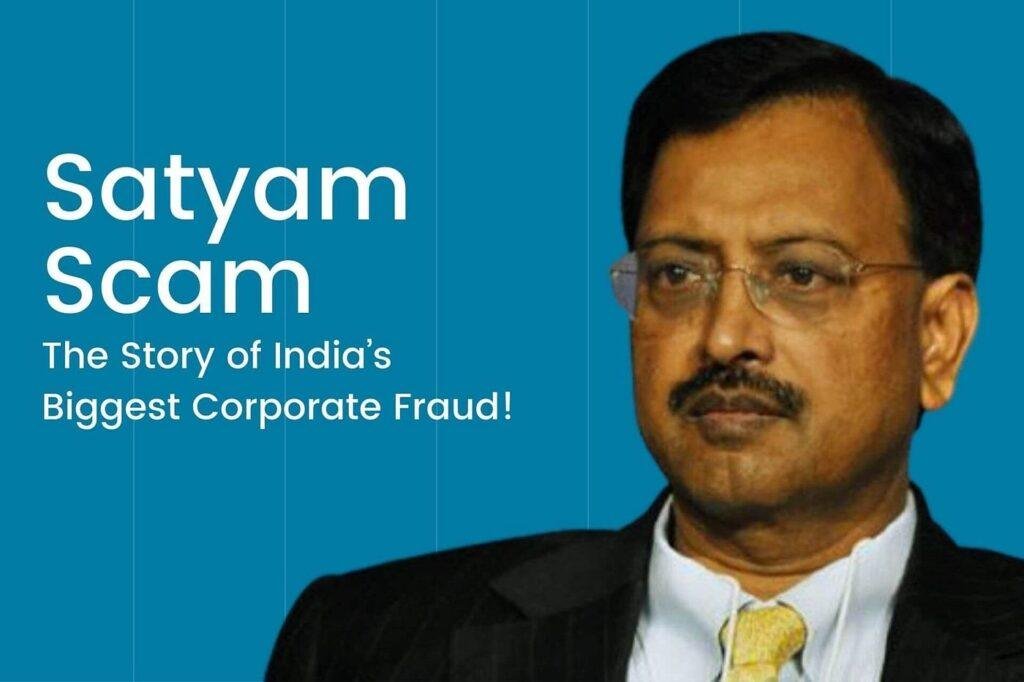
The Satyam Scam: Rise and Fall of Byrraju Ramalinga Raju

Byrraju Ramalinga Raju, once hailed as one of India’s most influential businessmen, was the founder of Satyam Computer Services. Known as the “IT czar” and often referred to as the “Bill Gates of Andhra Pradesh,” Raju’s rise to prominence in the Indian IT sector was meteoric. However, his legacy took a dramatic turn in 2009 when he became the architect of India’s largest corporate fraud. Early Life, Education, and Family Born on September 16, 1954, in Bhimavaram, Andhra Pradesh, Ramalinga Raju hailed from a modest farming family. His father ventured into grape cultivation, relocating to Hyderabad later in life.Education: • B.Com from Andhra Loyola College, Vijayawada.• MBA from Ohio University, USA.• Owner/President course at Harvard Business School. Family:• Father: Byrraju Satyanarayana Raju• Mother: Rasilaben Raju• Spouse: Nandini (married in 1976)• Children: Two sons (Teja Raju and Rama Raju) and one daughter (Deepti). The Satyam Scam In January 2009, the world was stunned as Ramalinga Raju admitted to orchestrating a massive fraud at Satyam Computer Services, leading to a loss of nearly ₹7,136 crores (about US$1.5 billion). This became one of the largest corporate scams in India’s history. Key Aspects of the Scam Also Read: Finfluencer Nasir Ansari Scam: The ‘Baap of Charts’ Controversy The Unraveling of the Scam Several critical events exposed the scale of the Satyam scandal:• Maytas Deal Collapse: The failed acquisition attempt raised suspicions, triggering a thorough investigation.• World Bank Blacklisting: Satyam was blacklisted by the World Bank for eight years in December 2008, further damaging its reputation.• Raju’s Confession: On January 7, 2009, Raju publicly confessed to the fraud in a letter addressed to the Satyam board and the Securities and Exchange Board of India (SEBI). Arrest and Legal Repercussions On January 9, 2009, Byrraju Ramalinga Raju and his brother B. Rama Raju were arrested by the CID Andhra Pradesh police for fraud-related charges, including breach of trust, conspiracy, and falsification of records. In 2015, Ramalinga Raju and nine others were convicted and sentenced to seven years in prison. However, they were granted bail shortly after. Aftermath of the Satyam Scandal Conclusion The Satyam scandal is a stark reminder of the dangers posed by corporate fraud and the critical role of robust governance and financial transparency. Ramalinga Raju’s dramatic fall from grace reshaped India’s corporate landscape and has continued to influence business practices and regulatory reforms in the country.By focusing on corporate ethics, accountability, and the necessity for rigorous financial reporting, India hopes to prevent such scandals from recurring in the future.

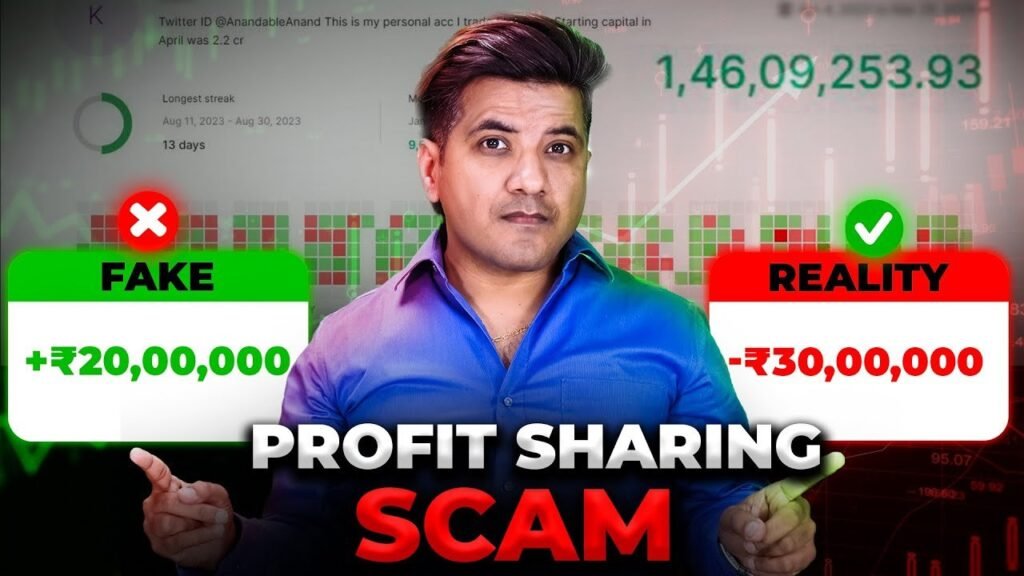
nasir ansari scam
Uncategorized

Finfluencer Nasir Ansari Scam: The ‘Baap of Charts’ Controversy

Mohammad Nasiruddin Ansari, popularly known as Nasir Ansari, is a self-proclaimed stock market expert who gained fame as a financial influencer or “finfluencer” on social media platforms. He operated under the brand name “Baap of Chart” (BoC), which translates to “Father of Charts” in English, positioning himself as a guru in stock market analysis and trading. Nasir Ansari’s early life paints a picture of humble beginnings. Born in a small village in Jharkhand, he was the son of a rickshaw puller. Despite being a brilliant student, financial constraints forced him to quit college to earn money. His journey into trading was marked by initial losses and setbacks before he claimed to have found success. Fraud Name The fraud associated with Nasir Ansari is commonly referred to as the “Baap of Chart” scam, named after his online persona and business. Scam / Fraud Year The fraudulent activities primarily took place between January 2021 and July 2023, as investigated by the Securities and Exchange Board of India (SEBI). Total Scam / Fraud Amount SEBI ordered Ansari to disgorge Rs 17.2 crore (approximately $2.1 million USD), which represents the amount he allegedly collected from investors through his fraudulent activities. Also Read: P R Sundar Scam: From Math Teacher to Controversial Finfluencer Modus Operandi Ansari’s modus operandi was sophisticated and multi-faceted: How Was the Nasir Ansari Scam Uncovered? The scam came to light through a SEBI investigation, which revealed several discrepancies: Arresting the Mastermind behind the Scam As of the latest available information, there have been no reports of Nasir Ansari’s arrest. However, SEBI has taken significant regulatory action against him and his associates. The current situation regarding the “Baap of Chart” case is as follows: The “Baap of Chart” scandal serves as a cautionary tale for investors and a reminder of the importance of due diligence when seeking financial advice, especially from social media influencers. It also underscores the regulatory challenges posed by the rise of finfluencers in the digital age.

kaveri seeds shares
Blog, Uncategorized

P R Sundar Scheme: From Math Teacher to Controversial Finfluencer

P R Sundar, once hailed as India’s leading options trader, has become a cautionary tale in the world of financial influencers. This blog explores his journey from humble beginnings to his recent legal troubles. P R Sundar is a stock market analyst, share trading consultant, and social media financial influencer. Born on March 28, 1964, in Purisai, Tamil Nadu, Sundar gained fame for his options trading strategies and his large following on social media platforms. Sundar’s early life was marked by poverty. He grew up in a family of eight children and was sent to a charitable trust hostel at a young age. Despite these challenges, Sundar excelled academically, earning a postgraduate degree in mathematics. From Teacher to Trader After completing his education, Sundar began his career as a math teacher in Gujarat. In 1993, he moved to Singapore to teach mathematics, spending 11 years there before returning to India in 2005. It was during this time that Sundar developed an interest in stock market trading, learning from his Gujarati friends. Rise to Fame Sundar started trading in 2007 and quickly gained a reputation for his options trading strategies. He joined Twitter in 2017 and amassed a large following, with close to 500,000 followers on his private account. His YouTube channel (where he posts explainer videos on trading) has over 1 million subscribers. The Controversy In 2023, Sundar found himself at the center of a controversy involving unregistered investment advisory services. How Was the P R Sundar Scam Uncovered? SEBI received multiple complaints claiming that Sundar ran a website offering various packages to provide investment advice. Upon investigation, SEBI found that Sundar was offering advisory services via his website www.prsundar.blogspot.com, with fees collected through a payment gateway linked to Mansun Consultancy’s bank account. Also Read: The Kingfisher Airlines Loan Default Scam: The Rise and Fall of Vijay Mallya Legal Action and Settlement In May 2023, SEBI issued an order against Sundar, his company Mansun Consulting, and co-promoter Mangayarkarasi Sundar[2]. As part of the settlement: Current Scenario Following SEBI’s action, Sundar broke his silence on Twitter, stating, “People who believe you, need no explanation. People who do not believe you, no amount of explanation will help. So keeping silence, at least for some time, is the best response.” The case against Sundar has sparked a broader discussion about the regulation of financial influencers in India. Finance Minister Nirmala Sitharaman has warned about the dangers of unregulated financial advice, though there are currently no specific plans to regulate “finfluencers”[2]. P R Sundar’s story serves as a reminder of the importance of proper regulation and transparency in the world of financial advice. As the influence of social media on investment decisions continues to grow, cases like this highlight the need for both influencers and investors to navigate this landscape with caution and integrity.

Kingfisher Airlines Loan Default Scam
Blog

The Kingfisher Airlines Loan Default Scam: The Rise and Fall of Vijay Mallya

Vijay Vittal Mallya, born on December 18, 1955, in Bantwal, Karnataka, is a prominent Indian businessman and former politician. Known as the “King of Good Times”, Mallya made his mark as the chairman of United Spirits, India’s largest spirits company. He also led United Breweries Group, a multinational conglomerate best known for its Kingfisher beer brand. Early Life, Education, and Family Background Mallya was born into a Konkani-speaking family, with his father, Vittal Mallya, being a well-known businessman in the alcoholic beverage industry. The Kingfisher Airlines Loan Default Scam: A Timeline of Events Vijay Mallya became synonymous with the Kingfisher Airlines loan default scandal that shook India’s banking sector. Kingfisher Airlines, launched in 2005, was grounded in 2012 due to mounting debt and mounting losses. The airline’s financial troubles set off a series of events that eventually led to one of the biggest loan default cases in Indian history. The Kingfisher Airlines Loan Default Modus Operandi of the Scam Vijay Mallya’s Kingfisher Airlines loan default involved several layers of deceit and financial manipulation: How the Scam Was Exposed? The scam began unraveling when Kingfisher Airlines began to default on its loans, leading to growing concerns within the banking sector. Key developments include: Current Legal Status Impact on India’s Financial Landscape The Kingfisher Airlines loan default scandal serves as a cautionary tale about the consequences of financial mismanagement and regulatory lapses. It exposed several vulnerabilities in India’s banking sector and led to significant reforms aimed at reducing the risk of such large-scale frauds. The ongoing investigations and legal battles are a reminder of the need for transparency, accountability, and vigilance in India’s financial system. Also Read: The Sahara Scam: The Rise and Fall of Subrata Roy Conclusion The Kingfisher Airlines loan default scam remains one of the most high-profile financial frauds in India’s history. With Vijay Mallya at its helm, this case underscores the importance of sound governance, financial discipline, and stringent regulatory frameworks to prevent similar frauds in the future. Despite the ongoing legal battles, the Kingfisher scandal continues to shape the future of India’s banking and aviation sectors, emphasizing the need for comprehensive oversight in preventing large-scale financial crimes. By incorporating stringent financial checks, better fraud detection systems, and an improved legal framework, India can hope to prevent such scandals from occurring again.

cms info systems share
Blog

The Sahara Scam: The Rise and Fall of Subrata Roy

Subrata Roy, often referred to as “Sahara Shri,” was the visionary founder of Sahara India Pariwar, one of India’s largest and most diverse conglomerates. Roy’s entrepreneurial journey spanned industries such as finance, real estate, media, and hospitality, with Sahara becoming a household name. However, his rise to fame was overshadowed by the infamous Sahara-SEBI dispute, which led to one of the biggest financial scams in Indian history. Sahara India Pariwar: The Company Behind the Scam Sahara India Pariwar was a massive business empire involved in various sectors. The company gained immense popularity, but it was also marred by the fraudulent activities that came to light, leading to its dramatic fall. Early Life, Education, and Family of Subrata Roy 1. Birth and Childhood Subrata Roy was born on June 10, 1948, in Araria, Bihar, to Sudhir Chandra Roy and Chhabi Roy. His early years were spent in Gorakhpur, Uttar Pradesh, where he spent much of his childhood. 2. Education • Schooling: Holy Child School, Kolkata• Diploma: Mechanical Engineering from the Government Technical Institute, Gorakhpur 3. Family • Wife: Swapna Roy (married in 1976)• Children: Two sons, Sushanto Roy and Seemanto Roy Subrata Roy’s Early Career Before founding Sahara India, Roy started his journey as a small-time entrepreneur, selling snacks from a Lambretta scooter under the name Jaya Products. In 1978, with just ₹2,000 in capital, Roy launched Sahara from a small office in Gorakhpur, setting the stage for the creation of a multi-billion-dollar empire. The Sahara Scam: A Deep Dive into the Fraud The Sahara-SEBI dispute, also known as the Sahara Chit Fund Scam, is infamous for its scale and the extensive fraudulent practices that took place. Subrata Roy and the directors of Sahara India Real Estate Corporation (SIREC) and Sahara Housing Investment Corporation (SHIC) were at the center of orchestrating the scam. Total Scam Amount The total amount involved in the scam was initially estimated at around ₹24,000 crore, but with accumulated interest, it grew to more than ₹40,000 crore. Nearly 3 crore investors were affected, making this one of India’s largest financial frauds. Modus Operandi: How Sahara Deceived Millions Sahara India used multiple fraudulent tactics to bypass regulatory norms and deceive investors: Also Read: The Saradha Group Ponzi Scheme Scam How the Scam Was Uncovered? The Sahara Scam came to light due to several key events: Current Status of the Sahara Scam The saga surrounding the Sahara Scam continues to unfold, even after Subrata Roy’s death on November 14, 2023: Conclusion: Lessons from the Sahara Scam The Sahara Scam serves as a powerful reminder of the devastating impact financial fraud can have on both investors and the economy at large. While Subrata Roy’s rise demonstrated business acumen, his fall underscores the importance of transparency, accountability, and robust regulatory systems. This scandal has had a lasting impact on India’s financial ecosystem, resulting in greater scrutiny of investment schemes and improvements in investor education and protection.

saradha group Ponzi Scheme
Blog

The Saradha Group Ponzi Scheme: How Sudipta Sen Orchestrated One of India’s Largest Financial Frauds

Sudipta Sen was the founder of the infamous Saradha Group, an empire built on fraudulent promises that left millions of investors in financial ruin. He became notorious as the mastermind behind one of India’s largest Ponzi schemes, which affected investors across West Bengal, Assam, Odisha, and beyond. Sudipta Sen’s rise from humble beginnings to become a prominent figure in the financial world was marked by deceptive practices that ultimately shattered countless lives. The Saradha Group: The Heart of the Fraud The Saradha Group was not just a single company but a consortium of over 200 private companies. It operated across various sectors, including real estate, tourism, media, and hospitality. On the surface, it appeared legitimate, offering attractive returns to investors. In reality, it was a complex web of deceit designed to exploit investors’ trust. Sudipta Sen’s Early Life and Career While Sudipta Sen’s early life remains largely shrouded in mystery, it is clear that his entrepreneurial journey began in the early 2000s. His business acumen and connections enabled him to quickly expand the Saradha Group into a large empire. Sen’s secretive nature only added to the enigma of his public persona, which helped him build credibility, especially when it came to gaining investors’ trust. The Saradha Group Financial Scandal: A Breakdown The Modus Operandi of the Saradha Group Ponzi Scheme Sudipta Sen’s Ponzi scheme was built on a web of lies and deception, employing several strategies to sustain the illusion of profitability: How Was the Saradha Scam Exposed? The Saradha Ponzi scheme started to unravel in early 2013 due to a series of red flags: Also Read: YouTuber Ravindra Balu Bharti Scam: The Rise and Fall of a Finfluencer The Arrest of Sudipta Sen and Associates On April 23, 2013, Sudipta Sen and his associates were arrested in Sonmarg, Kashmir, after evading capture for nearly a week. Their arrest marked a significant turning point in the case, but the damage caused by the scam continued to affect millions of investors. The Current Scenario: Legal, Political, and Financial Fallout Conclusion The Saradha Group scam remains one of India’s largest and most devastating Ponzi schemes. Its aftermath continues to impact millions of investors and has led to significant changes in India’s financial regulations. The Saradha scandal serves as a cautionary tale about the dangers of unchecked financial fraud and highlights the need for vigilance in safeguarding investors’ interests.

finotex chemical ltd
Uncategorized

YouTuber Ravindra Balu Bharti Scam: The Rise and Fall of a Finfluencer

Ravindra Balu Bharti is a prominent YouTuber and stock market influencer who gained significant popularity in India. He is the founder of Ravindra Bharti Education Institute Private Limited (RBEIPL), a company that claimed to provide stock market training and education. Bharti amassed a substantial following on social media, with over 1.9 million subscribers across two YouTube channels: “Bharti Share Market Marathi” (10.8 lakh subscribers) and “Bharti Share Market – Hindi” (8.33 lakh subscribers). About Early Life While specific details about Ravindra Balu Bharti’s early life are limited, it is known that he is the son of Balu Motiram, who was an Authorized Person of stock-broker ABC Limited. Bharti co-founded RBEIPL in 2016 along with his wife, Shubhangi Bharti. He served as a director of the company from February 3, 2016, to October 3, 2023. Fraud Name The fraud committed by Ravindra Balu Bharti and his company can be termed as an “Unregistered Investment Advisory Scam.” Scam / Fraud Year The exact duration of the fraudulent activities is not specified, but the Securities and Exchange Board of India (SEBI) took action against Bharti and his company in December 2024. Total Scam / Fraud Amount SEBI ordered Ravindra Balu Bharti and his company to return Rs 9.5 crore, which was the amount earned through their unlawful activities. Modus Operandi Ravindra Balu Bharti and RBEIPL employed several deceptive tactics to lure inexperienced investors: How Was the YouTuber Ravindra Balu Bharti Scam Uncovered? SEBI conducted an investigation into the activities of Ravindra Balu Bharti and RBEIPL. The regulatory body found that they were operating an unregistered investment advisory business, targeting inexperienced investors through their YouTube channels and company premises. Also Read: The 2010 Commonwealth Games Scam: A Deep Dive into the Suresh Kalmadi Controversy Arresting the Mastermind Behind the Scam As of the available information, there is no mention of an arrest. However, SEBI has taken strict action against Ravindra Balu Bharti and his associates. Current Scenarios SEBI has imposed several penalties and restrictions on Ravindra Balu Bharti and his company: This case serves as a stark reminder of the importance of regulatory compliance in the financial sector and the potential consequences of misleading investors through social media platforms.

2010 commonwealth games scam
Uncategorized

The 2010 Commonwealth Games Scam: A Deep Dive into the Suresh Kalmadi Controversy

Suresh Kalmadi, born on May 1, 1944, in Pune, Maharashtra, was a prominent Indian politician and sports administrator. He served as a Member of Parliament (MP) for Pune and held the influential position of President of the Indian Olympic Association (IOA). Despite his political career, Kalmadi’s legacy was severely tarnished due to his involvement in the notorious 2010 Commonwealth Games Scam in Delhi. Key Organization Involved in the Scam The scam revolved around the Organizing Committee of the 2010 Commonwealth Games, headed by Kalmadi. This event, which was meant to showcase India’s capabilities to host a major international sporting event, soon became mired in allegations of financial misconduct and mismanagement. Early Life, Education, and Background Suresh Kalmadi hailed from a middle-class family in Pune. His father, Dr. K. Shamrao Kalmadi, was a social doctor who dedicated his life to helping the underprivileged. Kalmadi’s educational background is as follows: Kalmadi also served in the Indian Air Force from 1964 to 1972 and played an active role during the Indo-Pakistani Wars of 1965 and 1971. The corruption surrounding the Commonwealth Games came to light in 2010, marking it as one of the most infamous scams in Indian sports history. The Mastermind: Suresh Kalmadi’s Role in the Scam Suresh Kalmadi, along with several close associates, masterminded a vast corruption network that cost India billions. The alleged scale of the scam was mind-boggling, with estimates of the fraud running into ₹70,000 crore (approximately $9.3 billion at the time). Also Read: The Abdul Karim Telgi Stamp Paper Scam: A Billion-Dollar Counterfeit Empire Modus Operandi of the Scam The Commonwealth Games scam involved several fraudulent activities: How the Scam Unfolded? The 2010 Commonwealth Games scam was uncovered through diligent investigative journalism and governmental probes: Arrest and Legal Consequences Suresh Kalmadi was arrested by the Central Bureau of Investigation (CBI) on April 25, 2011. He faced multiple charges, including: Following his arrest, Kalmadi was suspended from the Indian National Congress, marking the beginning of his fall from political grace. Current Status and Fallout Conclusion: The Lingering Effects of the Commonwealth Games Scam The 2010 Commonwealth Games scam serves as a cautionary tale about the destructive power of corruption in sports administration. While India managed to successfully host the Games, the financial mismanagement and fraudulent activities marred its reputation. The scandal underscores the urgent need for reform, stricter governance, and enhanced accountability in both public projects and sports management. By learning from these mistakes, India can aim to prevent such incidents in the future and restore faith in its ability to host large-scale international events.

Abdul Karim Telgi Stamp Paper Scam
Uncategorized

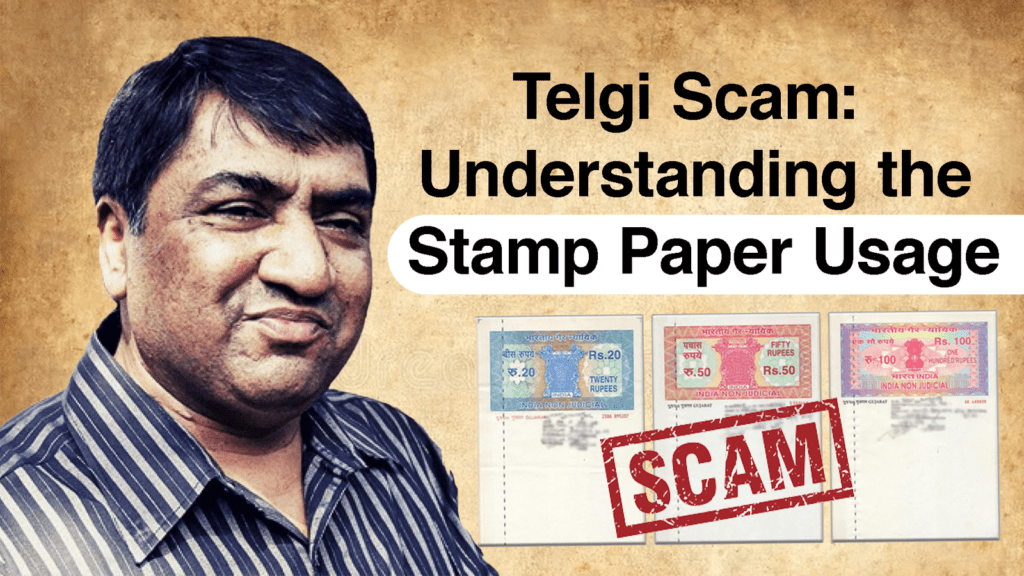
The Abdul Karim Telgi Stamp Paper Scam: A Billion-Dollar Counterfeit Empire

Abdul Karim Telgi, born in 1961 in Khanapur, Karnataka, emerged from humble beginnings to become the mastermind behind one of India’s most notorious financial frauds. Growing up in a lower middle-class family, Telgi’s early life was marked by adversity. After losing his father, who worked for Indian Railways, young Telgi resorted to selling fruits and vegetables on trains to support his family and fund his education. Despite the challenges, Telgi managed to complete his BCom from Gogte College of Commerce in Belgaum in 1984. His journey from a struggling fruit vendor to a criminal mastermind began after a brief stint in Saudi Arabia, where he likely honed his skills in document forgery. Telgi’s scam was a masterclass in exploiting systemic weaknesses and corruption. Here’s how he orchestrated this massive fraud: Unraveling the Scam: How It Was Uncovered The unraveling of Telgi’s empire began in 2000 when two men transporting counterfeit stamp papers were arrested in Bengaluru. This led to a series of events: Arresting the Mastermind Telgi’s run came to an end in November 2001 when he was arrested while on a pilgrimage to Ajmer, Rajasthan. The arrest revealed the true scale of the scam and led to further investigations implicating numerous high-ranking officials and politicians. 1. Legal Proceedings and Sentencing: In 2007, Telgi was sentenced to 30 years of rigorous imprisonment and fined ₹202 crore[8]. The legal battle was extensive, involving multiple charges across different states. 2. Current Scenario: Abdul Karim Telgi passed away on October 26, 2017, in Bengaluru due to multiple organ failure[8]. However, the legacy of his scam continues to influence discussions on corruption and financial fraud in India. Interestingly, a year after his death, on December 31, 2018, the Nashik session court in Maharashtra cleared Telgi and seven others in the Stamp Paper Scam case due to lack of evidence. This controversial decision has reignited debates about the complexities of prosecuting high-profile financial crimes in India. The Telgi scam remains a stark reminder of the vulnerabilities in India’s financial systems and the far-reaching consequences of corruption. It continues to be a case study for law enforcement agencies and policymakers in their ongoing efforts to prevent and combat large-scale financial frauds. Also Read: Top Investment Strategies for 2025: How to Identify High-Growth Themes

how cibil works
Uncategorized

How CIBIL Works: A Comprehensive Guide to Understanding Your Credit Score

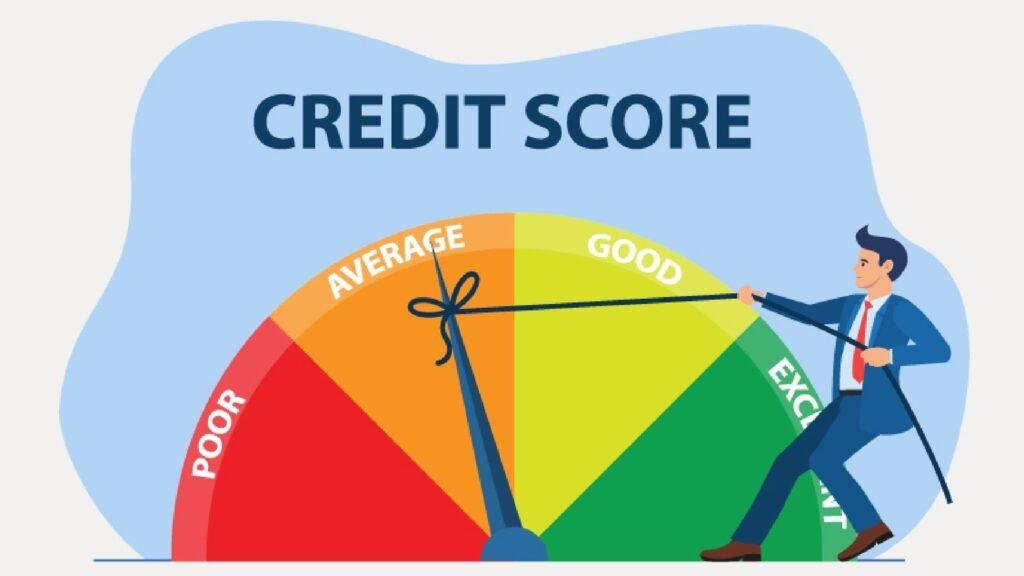
How Cibil Works: If you’re navigating the financial landscape in India, understanding CIBIL (Credit Information Bureau India Limited) is essential. CIBIL plays a critical role in determining your creditworthiness, directly affecting your ability to secure loans, credit cards, or other financial products. This blog will demystify how CIBIL works and help you manage your credit score effectively. What Is CIBIL? CIBIL is one of India’s major credit information companies, licensed by the Reserve Bank of India (RBI). It collects and maintains credit-related data for individuals and businesses. This data is used to generate a CIBIL Score, a three-digit number ranging from 300 to 900, which reflects your creditworthiness. How Does CIBIL Work? CIBIL’s operations revolve around collecting and analyzing credit data. Here’s a step-by-step breakdown of how it works: 1. Data Collection: 2. Credit Report Compilation: All the collected data is compiled into a CIBIL Credit Report. This report is a detailed record of your credit behavior over time, including: 3. CIBIL Score Calculation: Based on the credit report, CIBIL calculates your score using an algorithm. The primary factors influencing your CIBIL Score include: 4. Access by Lenders: Why Is CIBIL Important? CIBIL acts as a financial trust scorecard for individuals and businesses. Here’s why it matters: Also Read: Top Investment Strategies for 2025: How to Identify High-Growth Themes How to Check Your CIBIL Score? You can check your CIBIL Score through the following steps: Tips to Maintain a Good CIBIL Score Conclusion Understanding how CIBIL works is essential for anyone looking to achieve financial stability and creditworthiness. By managing your financial habits wisely and keeping an eye on your CIBIL Score, you can unlock opportunities for better financial products and terms. Start building a strong credit history today for a secure tomorrow!

Scroll to Top