
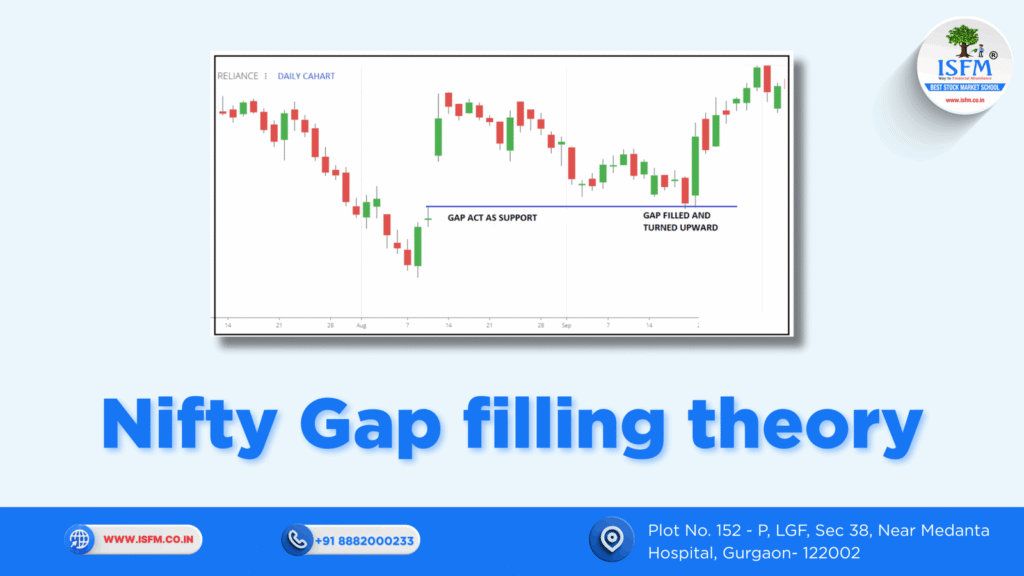
What is Gap Trading? The Ultimate Guide to Profitable Gap Trading Strategies
Ever noticed a sudden jump or drop in stock prices that leaves a blank space on the chart? That’s a price gap – and it’s far from just market noise. For technical traders, these gaps represent key opportunities to profit from momentum, reversals, and market psychology. Welcome to the world of Gap Trading, one of the most visually powerful and profitable techniques in technical analysis. What is Gap Trading in Stock Market? In simple terms, a gap is a visible void on a candlestick or bar chart that appears when a stock or asset opens significantly higher or lower than its previous closing price – with no trading in between. This results in an empty price range. Gap Trading is a strategy that identifies these gaps, classifies them, and uses technical setups to take advantage of the price movements that often follow. It’s widely used in stock trading, forex markets, commodities, and index futures. Types of Gaps in Technical Analysis (With Trading Signals) Understanding the type of gap is essential to trade it effectively. Here’s a breakdown: 1️⃣ Common Gap 2️⃣ Breakaway Gap 3️⃣ Runaway Gap (Continuation Gap) 4️⃣ Exhaustion Gap Also Read: RBI Discontinues Daily Liquidity Support: Here’s Why the Central Bank Ended Daily VRR Auctions Key Characteristics of Gap Trading Strategies ✅ Pros & ❌ Cons of Gap Trading Advantages Limitations Clear visual signals on price charts Risk of misclassifying the gap type Strong momentum trading opportunities Gaps can reverse unexpectedly Defined risk with logical stop-loss zones Requires fast decisions, often at market open Versatile across stocks, forex, futures Heavy reliance on volume confirmation Multiple strategic options (entry/exit) Overnight positions carry price gap risks How to Trade Gaps Like a Pro (Gap Trading Setups) Here’s a step-by-step blueprint to use gap trading strategies effectively: 🔹 1. Spot & Classify the Gap At the market open, look for large price jumps or drops. Check: Then, classify the gap: Common, Breakaway, Runaway, or Exhaustion. 🔹 2. Breakaway Gap Strategy 🔹 3. Runaway Gap Strategy 🔹 4. Exhaustion Gap (Reversal Strategy) 🔹 5. Gap Fill Strategy (Common or Exhaustion Gaps) Risk Management Tips for Gap Traders Conclusion: Is Gap Trading Right for You? Gap trading isn’t about predicting the market – it’s about reacting to clear signals with precision and speed. Whether you’re a short-term day trader or a swing trader, gap analysis can reveal explosive opportunities hidden in overnight price action. By mastering the types of gaps, their context in market trends, and aligning your entries with volume and risk controls, you can turn these chart voids into high-probability trades. Start incorporating gap strategies into your technical arsenal and watch your trading confidence soar.