
July 2, 2025

ITR-Filing-2025
Blog

ITR Filing 2025: Essential Documents Checklist for a Smooth Income Tax Return Process

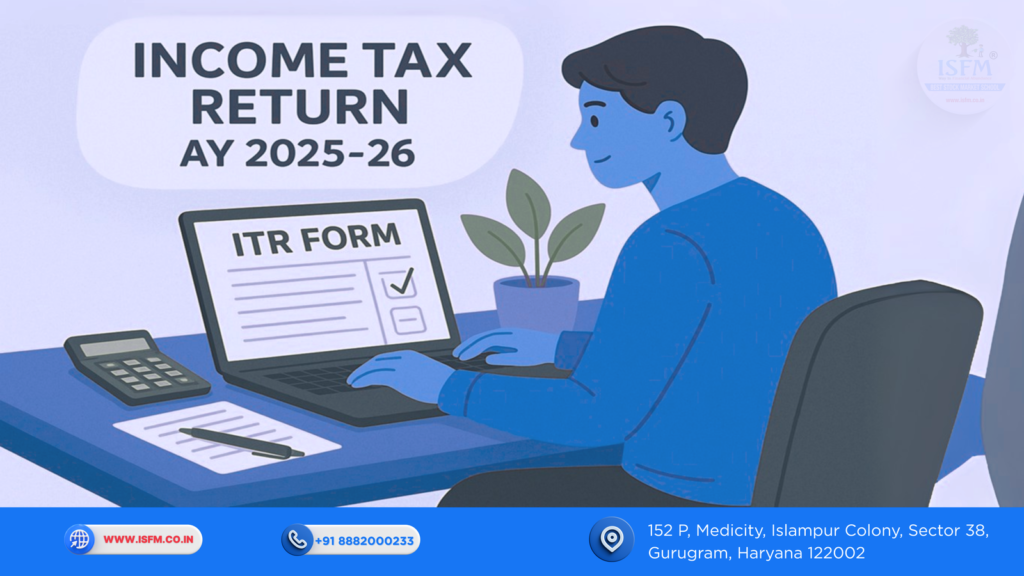
Planning to file your Income Tax Return (ITR) for AY 2025–26? Before you get started, make sure you’re well-prepared. While you can begin filing after receiving Form 16 and accessing your updated Annual Information Statement (AIS), it’s crucial to start collecting the right documents early to avoid last-minute hassles. ✅ Visit the Income Tax Portal to stay updated on form releases and filing utilities. ITR Filing Season 2025 Begins The Income Tax Department has officially released the updated ITR forms for Financial Year 2024–25 (Assessment Year 2025–26). These forms include key updates from the Union Budget 2024, especially around capital gains tax rules. However, online filing utilities are still awaited, and most salaried individuals are yet to receive their Form 16 from employers. That said, the due date—July 31, 2025—is approaching fast. Begin your return preparation by collecting the necessary financial and personal documents. List of Important Documents for ITR Filing 2025 Choosing the Right ITR Form Even though ITR-1 (Sahaj) has been simplified, it now accommodates certain capital gains—such as those from equity shares and mutual funds (up to ₹1.25 lakh annually)—subject to conditions. However, using the wrong form can lead to your return being marked as defective. 👉 Check which ITR form applies to you Tax-Saving Documents You Must Keep Handy For Section 80C and 80CCD(1B) For Section 80D For Section 80E For Section 24(b) For Section 80G Income from Other Sources New vs. Old Tax Regime: Preserve These Documents With Budget 2025 proposing enhanced tax rebate limits (up to ₹12 lakh) and relaxed slabs under the new tax regime, many taxpayers are expected to switch. However, for FY 2024–25, if you initially opted for the new regime with your employer but now plan to revert to the old one, you’ll need proof of eligible deductions. 📝 Note: You are not required to attach these documents with your ITR. But keep them ready for verification if discrepancies arise in Form 16, AIS, or Form 26AS.

AI-Literacy
Blog

AI Literacy: Preparing the Next Generation to Lead Responsibly in an AI-Driven World

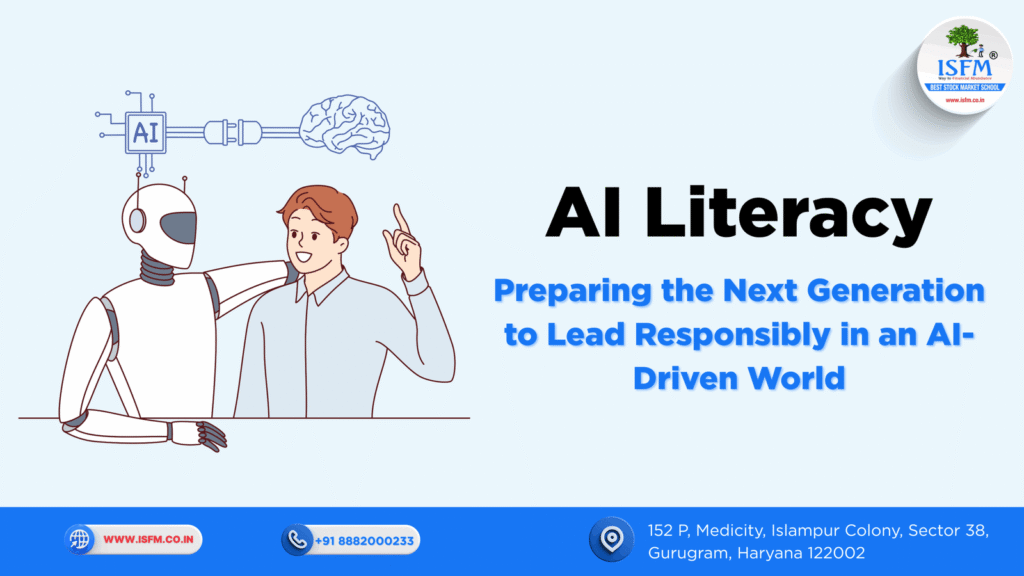
We are living in the midst of a technological revolution where Artificial Intelligence (AI) is not just a buzzword—it’s reshaping how we live, learn, and work. The question is no longer if AI will impact our lives, but how prepared are we—especially the younger generation—to navigate this transformation. The answer lies in teaching AI literacy from an early age. By equipping young minds with the ability to think critically, question technology, and understand its ethical implications, we’re shaping responsible leaders for tomorrow. Why Early AI Education Matters AI is already integrated into daily life—from voice assistants and recommendation engines to personalized learning tools. But understanding how to use AI isn’t enough. Children must learn how AI works, how it’s built, and where it can go wrong. This foundational understanding empowers them to make informed decisions. AI literacy isn’t about turning kids into coders—it’s about creating informed digital citizens who are ready to question and contribute meaningfully. Building Critical Thinking Around AI AI can now generate content, analyze patterns, and even mimic human conversation. While this is powerful, it also makes it easy to spread misinformation or reinforce existing biases. That’s why critical thinking is the first line of defense. Encourage students to ask: By developing these habits early, we prepare children to evaluate AI-generated content just as they would traditional media. “Distrust by Design”: A New Standard for AI Literacy One of the most essential principles in AI education is “Distrust by Design.” This concept doesn’t promote negativity—it encourages healthy skepticism. AI systems are created by humans and trained on real-world data, which means they can inherit biases, limitations, and ethical concerns. Young learners must be taught to dig deeper: These questions help them understand that transparency and accountability are not optional—they are essential. Scepticism: The Foundation of Ethical AI Use AI outputs are not always right, fair, or complete. That’s why instilling curiosity and scepticism is vital. For example: Teaching children to challenge AI results leads to more thoughtful, inclusive, and fair decision-making in their future careers and lives. A Community Approach to AI Education Creating a future-ready generation requires a collaborative ecosystem. Schools cannot do it alone. Everyone—from parents to tech companies—must play a role: Together, these stakeholders can foster an environment where AI literacy becomes a core life skill, not just a technical subject. Shaping Ethical Leaders for a Digital Age The leaders of tomorrow must understand more than how AI works. They must know when and how to use it responsibly. True AI literacy blends technical awareness with ethical leadership, critical thinking, and social responsibility. Those who grow up questioning AI will be the ones ensuring it serves the public good—not just corporate interests. They’ll hold systems accountable and demand progress that respects human dignity and fairness. A Call to Action: Let’s Educate to Empower AI is here to stay, and so is its impact. But with the right foundation, today’s students can grow into tomorrow’s ethical innovators. By embedding AI awareness, scepticism, and “distrust by design” into early education, we’re not just preparing kids to adapt to the future—we’re empowering them to shape it. Let’s not wait. Let’s start now—by promoting AI education for all and ensuring the next generation leads with intelligence, empathy, and integrity.

Scroll to Top