Short Covering in the Stock Market: A Comprehensive Guide to Trading Opportunities & Risks
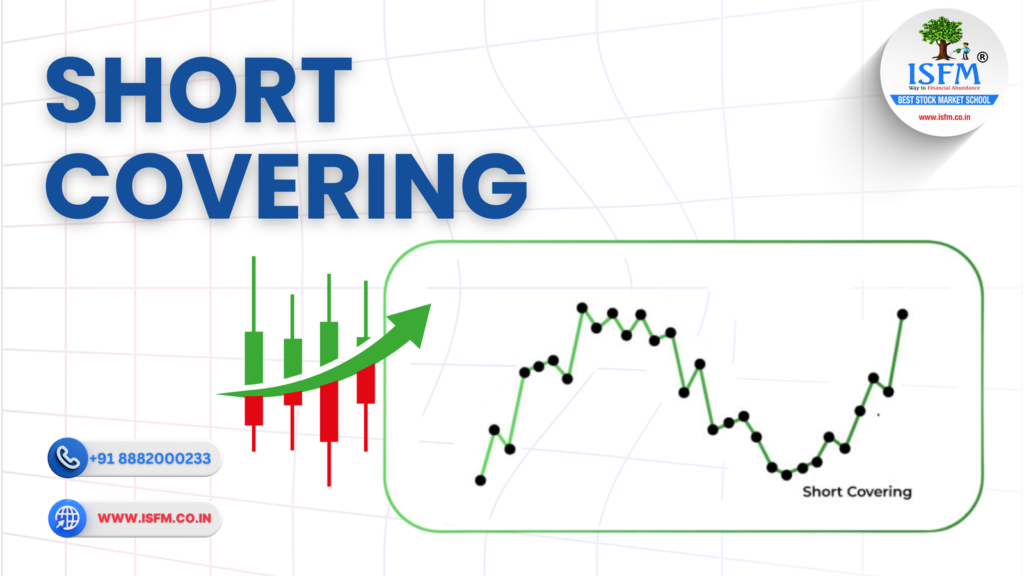
Short covering refers to the act of buying back previously short-sold shares to close an open position. Traders initiate this move to lock in profits or minimize losses when the stock price moves against their expectations. For beginners: Short selling involves borrowing shares to sell at a high price, hoping to repurchase them later at a lower rate. Why Do Traders Engage in Short Covering? Understanding the triggers behind short covering can give traders a serious edge. Here are the most common reasons: Advantages & Disadvantages of Short Covering Pros Cons How to Profit from Short Covering: Proven Strategies 1. Spot a Potential Short Squeeze Early 2. Use Technical Indicators 3. Deploy Options Strategies 4. Monitor Sentiment & Social Media Buzz Risks Traders Must Consider Case Study: GameStop (GME) – The Ultimate Short Squeeze In early 2021, GameStop (GME) surged over 1,500% as retail traders from Reddit orchestrated a historic short squeeze. Hedge funds incurred massive losses, while early buyers reaped significant profits. This event highlighted the power of collective retail sentiment in markets. Frequently Asked Questions (FAQs) Q1: What does short interest mean?A: Short interest = Total shares sold short ÷ Total shares available (float). High ratios signal potential for squeezes. Q2: Can short covering lead to long-term gains?A: It can spark momentum, but without fundamental support, prices often normalize quickly. Q3: Is short covering illegal?A: No. It’s a legal trading action. However, manipulating prices to force short covering can breach market regulations. Conclusion: Mastering Short Covering for Smart Trading Short covering presents both risk and reward. For savvy traders, it’s an opportunity to ride momentum waves and profit from volatility. But like any market strategy, it demands discipline, timing, and risk management. Use technical indicators, track market sentiment, and combine fundamental analysis to make informed trading decisions.