
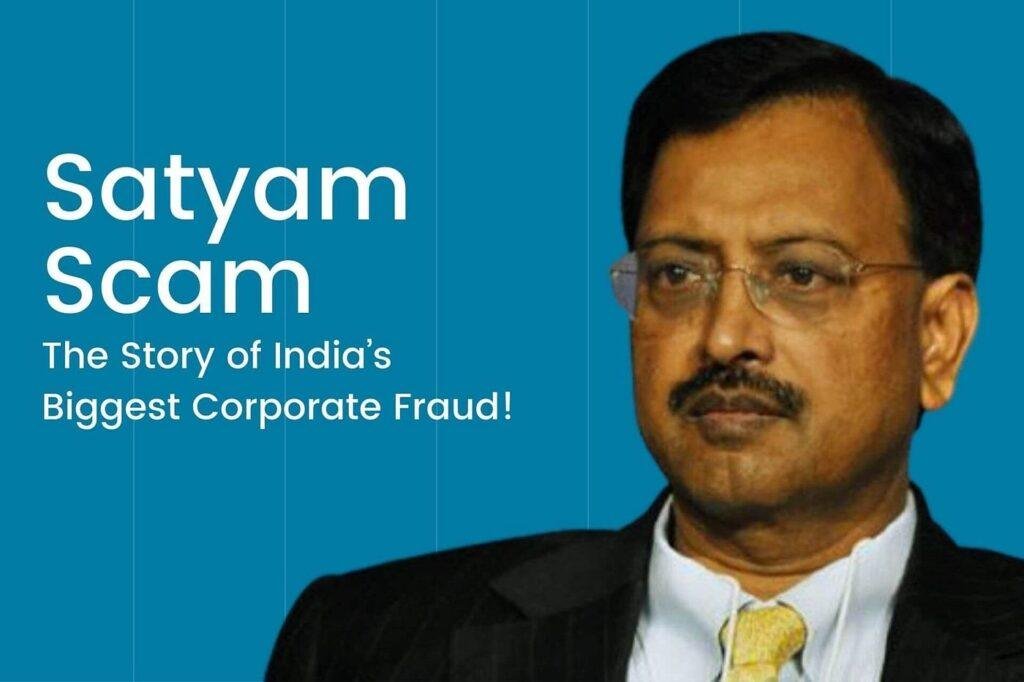
The Satyam Scam: Rise and Fall of Byrraju Ramalinga Raju
Byrraju Ramalinga Raju, once hailed as one of India’s most influential businessmen, was the founder of Satyam Computer Services. Known as the “IT czar” and often referred to as the “Bill Gates of Andhra Pradesh,” Raju’s rise to prominence in the Indian IT sector was meteoric. However, his legacy took a dramatic turn in 2009 when he became the architect of India’s largest corporate fraud. Early Life, Education, and Family Born on September 16, 1954, in Bhimavaram, Andhra Pradesh, Ramalinga Raju hailed from a modest farming family. His father ventured into grape cultivation, relocating to Hyderabad later in life.Education: • B.Com from Andhra Loyola College, Vijayawada.• MBA from Ohio University, USA.• Owner/President course at Harvard Business School. Family:• Father: Byrraju Satyanarayana Raju• Mother: Rasilaben Raju• Spouse: Nandini (married in 1976)• Children: Two sons (Teja Raju and Rama Raju) and one daughter (Deepti). The Satyam Scam In January 2009, the world was stunned as Ramalinga Raju admitted to orchestrating a massive fraud at Satyam Computer Services, leading to a loss of nearly ₹7,136 crores (about US$1.5 billion). This became one of the largest corporate scams in India’s history. Key Aspects of the Scam Also Read: Finfluencer Nasir Ansari Scam: The ‘Baap of Charts’ Controversy The Unraveling of the Scam Several critical events exposed the scale of the Satyam scandal:• Maytas Deal Collapse: The failed acquisition attempt raised suspicions, triggering a thorough investigation.• World Bank Blacklisting: Satyam was blacklisted by the World Bank for eight years in December 2008, further damaging its reputation.• Raju’s Confession: On January 7, 2009, Raju publicly confessed to the fraud in a letter addressed to the Satyam board and the Securities and Exchange Board of India (SEBI). Arrest and Legal Repercussions On January 9, 2009, Byrraju Ramalinga Raju and his brother B. Rama Raju were arrested by the CID Andhra Pradesh police for fraud-related charges, including breach of trust, conspiracy, and falsification of records. In 2015, Ramalinga Raju and nine others were convicted and sentenced to seven years in prison. However, they were granted bail shortly after. Aftermath of the Satyam Scandal Conclusion The Satyam scandal is a stark reminder of the dangers posed by corporate fraud and the critical role of robust governance and financial transparency. Ramalinga Raju’s dramatic fall from grace reshaped India’s corporate landscape and has continued to influence business practices and regulatory reforms in the country.By focusing on corporate ethics, accountability, and the necessity for rigorous financial reporting, India hopes to prevent such scandals from recurring in the future.